 MinuteRead
30 min
Book summary
by Roger Fisher
Premium summary · Opens in the app · 30 min read
Negotiation is not a mysterious art reserved for diplomats, lawyers, and professional dealmakers. It is something you do every day. You negotiate with your spouse about where to go for dinner. You negotiate with your children about bedtime. You negotiate with colleagues about deadlines, with bosses about resources, with clients about terms. You negotiate constantly, often without realizing it.
**The Working Guide to Preparing for Any Negotiation**
By Roger Fisher
**Estimated Reading Time:** 45 minutes
**What You'll Learn**
Most people walk into negotiations hoping for the best and improvising as they go. This book will change that. You will learn a systematic preparation method that transforms negotiation from an anxious gamble into a confident process. You will discover how to uncover hidden interests, generate creative options, know exactly when to walk away, and build agreements that last. You will learn to prepare so thoroughly that the actual negotiation becomes the easy part.
**Who This Book Is For**
This book is for anyone who negotiates. That means everyone. Whether you are asking for a raise, buying a house, managing a team, closing a sale, resolving a family dispute, or negotiating international agreements, the principles are the same. If you have ever walked away from a negotiation feeling you could have done better, this book is for you. If you have ever felt outmaneuvered, unprepared, or simply unsure what to say next, this book is for you.
Negotiation is not a mysterious art reserved for diplomats, lawyers, and professional dealmakers. It is something you do every day. You negotiate with your spouse about where to go for dinner. You negotiate with your children about bedtime. You negotiate with colleagues about deadlines, with bosses about resources, with clients about terms. You negotiate constantly, often without realizing it. Yet most people prepare for these moments poorly or not at all. Consider how most people approach an important negotiation. They might think about what they want. They might rehearse a few arguments. They might decide on a bottom line. Then they walk into the room and hope for the best. This is not preparation. This is wishful thinking dressed up as strategy. Roger Fisher spent decades studying negotiation at Harvard, working with diplomats, business leaders, and ordinary people facing high-stakes situations. He observed a consistent pattern. The single greatest handicap most negotiators face is not lack of talent, not lack of leverage, not lack of charisma. It is lack of preparation. The problem is not that people are lazy. The problem is that most people do not know what effective preparation looks like. They confuse having a position with having a plan. They confuse knowing what they want with understanding what is possible. They confuse rehearsing demands with preparing to create value. This book offers a different approach. It provides a systematic framework for getting ready to negotiate, built around seven key elements that every negotiation involves. These elements are interests, options, alternatives, legitimacy, communication, relationship, and commitment. Master these seven elements in your preparation, and you will walk into any negotiation with clarity,…
Continue reading in the MinuteRead app
Get the complete 30-minute summary of Getting Ready to Negotiate
Get the complete summary in the appSpend as much time preparing as you expect to spend negotiating.
Focus on interests, not positions. Ask "Why?" until you find the real needs.
Generate multiple options before evaluating any of them.
Know your BATNA. Improve it before you negotiate.
Use objective criteria to make proposals fair and persuasive.
Prepare for two-way communication. Listening is as important as speaking.
"Getting Ready to Negotiate" is a strong fit if you want practical ideas around business, communication, leadership, especially themes like spend as much time preparing as you expect to spend negotiating; focus on interests, not positions. ask "why?" until you find the real needs. The MinuteRead summary distills these concepts into a focused read, whether you're deciding whether to buy the book or applying its lessons at work.
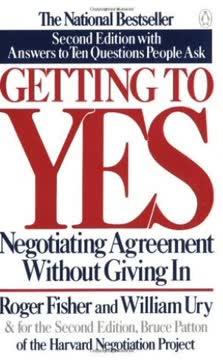
Roger Fisher was a prominent legal scholar and expert in negotiation. As the Samuel Williston Professor of Law Emeritus at Harvard Law School, he founded and directed the Harvard Negotiation Project. Fisher's work focused on developing strategies for effective conflict resolution and negotiation. He authored several influential books on the subject, with "Getting to Yes" being his most well-known work. Fisher also founded two consulting organizations dedicated to providing strategic advice and n…
View all summaries by Roger FisherContinue Reading
Access the complete 30-minute summary and thousands more nonfiction books in the MinuteRead app.

Continue reading the complete summary in the MinuteRead app.






