 MinuteRead
30 min
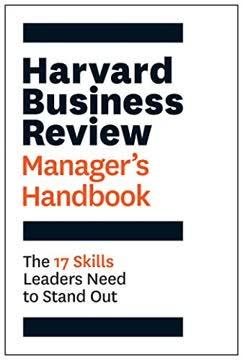
Book summary
Premium summary · Opens in the app · 30 min read
The moment you become a manager, everything changes. The skills that earned you the promotion, the technical expertise, the ability to execute flawlessly on your own, the reputation for being the person who gets things done, none of these guarantee success in your new role. In fact, clinging to them too tightly can become your greatest liability.
**Author:** Harvard Business Review
**Estimated Reading Time:** 45 minutes
**What You'll Learn:**
- How to make the fundamental shift from individual contributor to effective manager - The essential skills required to lead teams, build trust, and drive results - Practical frameworks for communication, delegation, and decision-making - How to develop talent, foster innovation, and create high-performing teams - The financial literacy required to make sound strategic decisions
**Who This Book Is For:**
New managers navigating their first leadership role, experienced managers seeking to sharpen their skills, and anyone who aspires to lead teams effectively in any organizational context.
The moment you become a manager, everything changes. The skills that earned you the promotion, the technical expertise, the ability to execute flawlessly on your own, the reputation for being the person who gets things done, none of these guarantee success in your new role. In fact, clinging to them too tightly can become your greatest liability. This is the central paradox of management. The very behaviors that made you valuable as an individual contributor can undermine your effectiveness as a leader. Your job is no longer to be the smartest person in the room or the most productive worker on the team. Your job is to get results through the creativity, expertise, and energy of others. That shift sounds simple when stated plainly. It is anything but simple in practice. Every day, new managers across every industry face the same struggle. They feel overwhelmed by the sheer volume of responsibilities that suddenly land on their desks. They discover that the skills they spent years developing are suddenly insufficient. They find themselves caught between the demands of their superiors, the needs of their team members, and the expectations of the organization. They wonder why nobody prepared them for this. The Harvard Business Review Manager's Handbook exists to provide that preparation. It draws on decades of research, insights from leading management thinkers, and the practical wisdom of thousands of successful leaders to create a comprehensive guide for anyone navigating the complexities of management. The book addresses a fundamental problem: most people are promoted into management because they excelled at their previous job, not because they demonstrated any aptitude for leading others. Organizations assume that technical competence translates naturally into managerial competence. It does not. The transition requires an entirely new set of skills, a different mindset, and a willingness to redefine what success looks like. This matters because the stakes are enormous. Good managers create environments where people thrive, produce exceptional work, and grow professionally. Bad managers drive talented people away, stifle creativity, and ultimately undermine organizational performance. The difference between the two is rarely a matter of innate talent. It is a…
Continue reading in the MinuteRead app
Get the complete 30-minute summary of Harvard Business Review Manager's Handbook
Get the complete summary in the appYour job is to get results through others, not to do the work yourself.
Trust requires both character and competence, demonstrated consistently over time.
Emotional intelligence matters more than technical brilliance for leadership success.
Communicate your vision clearly enough that someone can understand and care about it in five minutes.
Prioritize important but non-urgent activities like strategic thinking and team development.
Develop your people through regular conversations, tailored opportunities, and specific feedback.
"Harvard Business Review Manager's Handbook" is a strong fit if you want practical ideas around business, management, leadership, especially themes like your job is to get results through others, not to do the work yourself; trust requires both character and competence, demonstrated consistently over time. The MinuteRead summary distills these concepts into a focused read, whether you're deciding whether to buy the book or applying its lessons at work.
Harvard Business Review is a prestigious business publication known for its expertise in management, leadership, and various business-related topics. The organization has a long history of producing high-quality content and is respected in both academic and professional circles. HBR regularly publishes books, articles, and research on cutting-edge business practices and theories. Their work is often based on contributions from leading business thinkers, researchers, and practitioners. The Harvar…
View all summaries by Harvard Business ReviewContinue Reading
Access the complete 30-minute summary and thousands more nonfiction books in the MinuteRead app.

Continue reading the complete summary in the MinuteRead app.






