 MinuteRead
30 min
Book summary
Premium summary · Opens in the app · 30 min read
Every year, thousands of talented professionals dream about owning their own business. They imagine the freedom of making decisions, the satisfaction of building something meaningful, and the financial rewards that come from ownership. Yet most never act on this dream. The reason is simple: they believe the only paths to business ownership are starting from scratch or buying a franchise. Both options feel overwhelming. Starting from scratch means enormous risk, no revenue, and years of uncertain
**Author:** Richard S. Ruback
**Estimated Reading Time:** 45 minutes
**What You'll Learn:**
- Why buying an existing small business may be the smartest path to becoming a CEO - How to identify businesses with enduring profitability - The complete acquisition process from sourcing to closing - How to structure financing that works for you, the seller, and investors - The due diligence process that separates successful buyers from failed ones - How to negotiate a letter of intent that protects your interests - What it takes to transition from buyer to owner and operator
**Who This Book Is For:**
Professionals who want to own and lead a business but don't want to start from scratch. If you have management experience, some savings or access to capital, and a desire to run your own company, this book provides the roadmap. It is especially valuable for corporate managers, consultants, and professionals seeking an alternative to climbing someone else's ladder.
Every year, thousands of talented professionals dream about owning their own business. They imagine the freedom of making decisions, the satisfaction of building something meaningful, and the financial rewards that come from ownership. Yet most never act on this dream. The reason is simple: they believe the only paths to business ownership are starting from scratch or buying a franchise. Both options feel overwhelming. Starting from scratch means enormous risk, no revenue, and years of uncertainty. Buying a franchise means following someone else's playbook and paying for the privilege. There is a third path, one that receives far less attention but offers a compelling alternative. It is called entrepreneurship through acquisition. The idea is straightforward: instead of building a business from nothing, you buy an existing small business that already has customers, revenue, employees, and a proven business model. You step in as the owner and CEO, applying your management skills to grow and improve what already works. This path is not new. Private equity firms have used this model for decades, buying established companies and improving their operations. What is new is the accessibility of this approach for individual professionals. You don't need to be a billionaire or work at a private equity firm to buy a small business. You need management skills, the ability to raise some capital, and the willingness to learn the acquisition process. The opportunity is enormous. There are an estimated 200,000 suitable small businesses in the United States alone. These are businesses with stable revenues, loyal customers, and owners who are approaching retirement. Many of these owners have no succession plan. Their children don't want to take over the family business. They need someone to buy their company and carry it forward. That someone could be you.…
Continue reading in the MinuteRead app
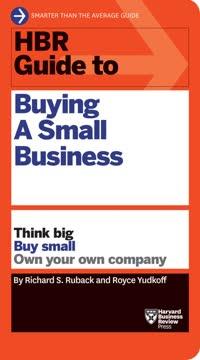
Get the complete 30-minute summary of HBR Guide to Buying a Small Business
Get the complete summary in the appYou can buy an existing small business and run it as CEO. This is a viable path to business ownership.
Look for enduringly profitable businesses with recurring customers, strong reputations, and limited competition.
Avoid high-growth, technology-driven, or cyclical businesses that come with increased risk.
Finance your acquisition with a combination of senior debt, seller financing, and equity.
Expect to review hundreds of opportunities before finding the right one.
Use both brokers and direct outreach to source deals.
"HBR Guide to Buying a Small Business" is a strong fit if you want practical ideas around business, entrepreneurship, finance, especially themes like you can buy an existing small business and run it as ceo. this is a viable path to business ownership; look for enduringly profitable businesses with recurring customers, strong reputations, and limited competition. The MinuteRead summary distills these concepts into a focused read, whether you're deciding whether to buy the book or applying its lessons at work.
Richard S. Ruback is an expert in business acquisitions and finance. He co-authored the HBR Guide to Buying a Small Business, drawing from years of experience in the field. Ruback is known for teaching courses on small business acquisition, likely at Harvard Business School given the HBR connection. His approach emphasizes practical, actionable advice for entrepreneurs looking to buy existing businesses rather than starting from scratch. Ruback's expertise covers various aspects of the acquisiti…
View all summaries by Richard S. RubackContinue Reading
Access the complete 30-minute summary and thousands more nonfiction books in the MinuteRead app.

Continue reading the complete summary in the MinuteRead app.






