 MinuteRead
30 min
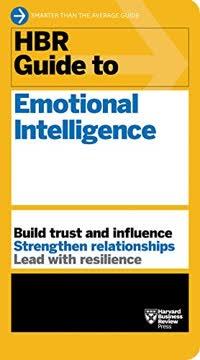
Book summary
Premium summary · Opens in the app · 30 min read
Every workplace runs on emotions. This is not a sentimental claim. It is a practical reality that most business education ignores.
**Author:** Harvard Business Review
**Estimated Reading Time:** 45 minutes
**What You'll Learn:**
- Why emotional intelligence matters more than technical skill in leadership - How to develop self-awareness and manage your emotional responses - Practical techniques for navigating difficult conversations and relationships - How to build resilience and help your team develop emotional skills
**Who This Book Is For:**
Professionals who want to lead more effectively, build stronger workplace relationships, and navigate the emotional complexities of organizational life. Whether you are a first-time manager or a seasoned executive, the ideas in this book will help you understand the hidden emotional dynamics that shape every workplace interaction.
Every workplace runs on emotions. This is not a sentimental claim. It is a practical reality that most business education ignores. Consider what actually happens in your organization on any given day. A talented employee quits because they feel undervalued. A promising project stalls because two managers cannot stand each other. A team underperforms because their leader's anxiety spreads through every meeting. A brilliant strategy fails because the person presenting it cannot read the room. None of these failures appear on a spreadsheet. None of them show up in a performance review as "lacked emotional intelligence." Yet they determine outcomes more reliably than any technical skill or strategic framework. The Harvard Business Review Guide to Emotional Intelligence addresses this gap. It brings together decades of research and practical wisdom from psychologists, leadership experts, and organizational scholars to answer a fundamental question: How do emotions shape workplace performance, and how can we work with them rather than against them? The answer matters because the old model of professional behavior is broken. For generations, the implicit rule was simple: leave your emotions at the door. Be rational. Be objective. Be professional. This advice was never realistic, and it was never effective. Humans are emotional creatures. We feel before we think. Our decisions, our relationships, and our leadership are all shaped by emotional currents that run beneath the surface of every interaction. The most effective leaders understand this. They know that their mood affects their team's performance. They know that a difficult conversation handled poorly can destroy trust that took years to build. They know that their own emotional reactions, if unexamined, will undermine their best intentions. This book is about developing that understanding. It is not a collection of abstract theories. It is a practical guide to the four core competencies of emotional intelligence: self-awareness, self-management, social awareness, and relationship management. Each chapter offers specific techniques, real-world examples, and actionable strategies for building these skills. The good news is that emotional intelligence can be developed. Unlike IQ, which remains relatively stable throughout life, emotional intelligence grows…
Continue reading in the MinuteRead app
Get the complete 30-minute summary of HBR Guide to Emotional Intelligence
Get the complete summary in the appEmotional intelligence is twice as important as technical skills in determining outstanding leadership performance.
Self-awareness is the foundation. Know what you are feeling, why you are feeling it, and how it affects your behavior.
Emotions are data. They tell you something about what matters. Listen to them without being controlled by them.
The pause between stimulus and response is where you exercise choice. Use it.
Empathy has three components: understanding others' perspectives, feeling what they feel, and responding to their needs.
Difficult conversations are inevitable. Prepare emotionally, use "I" statements, listen deeply, and focus on solutions.
"HBR Guide to Emotional Intelligence" is a strong fit if you want practical ideas around business, self help, psychology, especially themes like emotional intelligence is twice as important as technical skills in determining outstanding leadership performance; self-awareness is the foundation. know what you are feeling, why you are feeling it, and how it affects your behavior. The MinuteRead summary distills these concepts into a focused read, whether you're deciding whether to buy the book or applying its lessons at work.
Harvard Business Review is a prestigious business magazine published by Harvard Business Publishing, a subsidiary of Harvard University. Known for its high-quality articles on management, leadership, and business strategy, HBR has been influencing business practices since 1922. The publication features contributions from prominent business leaders, academics, and thought leaders. HBR's book series, including guides like the one on emotional intelligence, are compilations of articles from the mag…
View all summaries by Harvard Business ReviewContinue Reading
Access the complete 30-minute summary and thousands more nonfiction books in the MinuteRead app.

Continue reading the complete summary in the MinuteRead app.






