MinuteRead
30 min
Book summary
by Harvard Business Publishing
Premium summary · Opens in the app · 30 min read
Every project begins with optimism. Someone has an idea, a goal, a vision of something better. A team assembles. Resources are allocated. Deadlines are set. Then reality arrives.
**Author:** Harvard Business Publishing
**Estimated Reading Time:** 45 minutes
**What You'll Learn:**
- The fundamental framework that determines whether any project succeeds or fails - How to plan projects with clarity and precision - The art of building teams that take ownership of outcomes - How to monitor progress without micromanaging - Communication strategies that keep stakeholders aligned - Risk management techniques that prevent crises - How to capture lessons that make every project better than the last
**Who This Book Is For:**
This book is for anyone who has ever been handed a project and expected to deliver results. Whether you are a first-time project manager navigating unfamiliar territory, a seasoned professional looking to sharpen your skills, or a team member who wants to understand how projects actually work, the principles in this book will change how you approach complex work. No prior project management training is required. What is required is a willingness to think systematically about how work gets done.
Every project begins with optimism. Someone has an idea, a goal, a vision of something better. A team assembles. Resources are allocated. Deadlines are set. Then reality arrives. The project that seemed straightforward becomes tangled in competing priorities. The timeline that looked generous shrinks under the weight of unexpected complications. The budget that appeared sufficient gets consumed by costs nobody anticipated. The team that started with enthusiasm finds itself frustrated, confused, and pointing fingers. This is not an exceptional story. It is the default story for projects that lack disciplined management. The problem is not that people are lazy or incompetent. The problem is that most people have never been taught how to manage projects effectively. They are promoted into project management roles because they excelled at technical work. They are handed responsibility for outcomes without being given the tools to achieve them. They are expected to coordinate people, resources, timelines, and expectations with no formal training in any of these areas. The result is predictable. Projects run late. Budgets balloon. Quality suffers. Stakeholders grow frustrated. Teams burn out. And the organization learns little from the experience, because everyone is too exhausted to reflect on what went wrong. The HBR Guide to Project Management exists to break this cycle. It is built on a simple premise: project management is not a mysterious art reserved for certified professionals. It is a structured approach to achieving specific goals within constraints. It is a set of skills that can be learned, practiced, and refined. What makes this book different from other project management resources is its practicality. It does not drown you in jargon or theoretical frameworks. It focuses on the essential practices that actually determine project outcomes. It draws…
Continue reading in the MinuteRead app
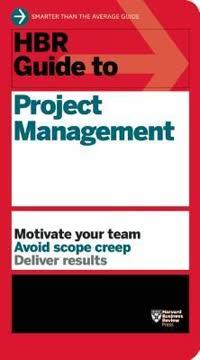
Get the complete 30-minute summary of HBR Guide to Project Management
Get the complete summary in the appEvery project exists within a triangle of constraints: time, cost, and quality. You cannot change one without affecting
Define objectives that are specific, measurable, action-oriented, realistic, and time-limited.
Break projects into manageable tasks using a Work Breakdown Structure.
Identify the critical path and monitor those activities closely.
Build teams that develop mutual accountability, not just individual responsibility.
Monitor outcomes rather than activities. Busyness is not progress.
"HBR Guide to Project Management" is a strong fit if you want practical ideas around business, management, leadership, especially themes like every project exists within a triangle of constraints: time, cost, and quality. you cannot change one without affecting; define objectives that are specific, measurable, action-oriented, realistic, and time-limited. The MinuteRead summary distills these concepts into a focused read, whether you're deciding whether to buy the book or applying its lessons at work.
Harvard Business Review is a renowned management magazine published by Harvard Business Publishing, a wholly-owned subsidiary of Harvard University. It features articles on various business and management topics, including leadership, strategy, and innovation. The publication is known for its rigorous editorial process and contributions from leading academics, executives, and thought leaders. HBR also produces books, guides, and digital content to support professional development and business ed…
View all summaries by Harvard Business PublishingContinue Reading
Access the complete 30-minute summary and thousands more nonfiction books in the MinuteRead app.

Continue reading the complete summary in the MinuteRead app.