 MinuteRead
30 min
Book summary
Premium summary · Opens in the app · 30 min read
There is a persistent myth in business that the best leaders are the smartest people in the room. We assume that analytical horsepower, strategic brilliance, and technical mastery are what separate great executives from average ones. This assumption shapes how we hire, promote, and develop talent. It drives our obsession with credentials, test scores, and track records of individual achievement.
**Author:** Harvard Business Review
**Estimated Reading Time:** 45 minutes
**What You'll Learn:**
- Why emotional intelligence matters more than raw intellect in leadership - How your mood directly shapes the performance of everyone around you - The specific skills that separate exceptional leaders from merely competent ones - Practical methods for developing self-awareness, empathy, and resilience - How to build an emotional climate that drives innovation and sustainable results
**Who This Book Is For:**
This book is for anyone who leads others, whether formally or informally. If you manage a team, run a company, mentor colleagues, or simply want to understand why some people bring out the best in others while equally talented individuals create dysfunction, this book will give you a clear framework. It is especially valuable for technically skilled professionals who have been promoted into leadership roles and are discovering that expertise alone is not enough.
There is a persistent myth in business that the best leaders are the smartest people in the room. We assume that analytical horsepower, strategic brilliance, and technical mastery are what separate great executives from average ones. This assumption shapes how we hire, promote, and develop talent. It drives our obsession with credentials, test scores, and track records of individual achievement. But the research tells a different story. When psychologists and management researchers began studying what actually distinguishes outstanding leaders from their merely adequate counterparts, they discovered something surprising. Intellectual ability and technical skill matter, certainly. They are threshold capabilities. You need a baseline of cognitive horsepower to do the job at all. But once you clear that threshold, IQ and expertise stop predicting who will excel. Something else takes over. That something else is emotional intelligence. The term itself can trigger skepticism. It sounds soft. It sounds like the language of therapists rather than executives. But the data behind it is rigorous and the implications are profound. Leaders with high emotional intelligence create environments where people do their best work. Leaders without it, regardless of how brilliant they are, create environments where talent withers. Consider what happens when a technically brilliant but emotionally oblivious leader takes charge of a team. Decisions may be analytically sound. Strategies may be logically coherent. But the human beings expected to execute those strategies feel unheard, undervalued, or afraid. Communication breaks down. Collaboration suffers. The best people leave. The people who stay learn to keep their heads down and avoid risk. Innovation dies quietly. Now consider a leader with high emotional intelligence. She may not be the smartest person in the room on paper. But she knows herself well. She reads the emotional currents in her organization. She understands what motivates different people. She creates an atmosphere…
Continue reading in the MinuteRead app
Get the complete 30-minute summary of On Managing Yourself
Get the complete summary in the appEmotional intelligence matters more than IQ for leadership effectiveness.
Your mood is contagious. It shapes the emotional climate of your organization.
Self-awareness is the foundation. Seek feedback to understand how you come across.
Practice the pause. Choose your response instead of reacting automatically.
Empathy is a hard skill. Listen to understand, not to respond.
Create psychological safety. Innovation requires it.
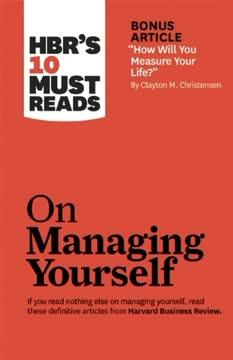
"On Managing Yourself" is a strong fit if you want practical ideas around business, self help, management, especially themes like emotional intelligence matters more than iq for leadership effectiveness; your mood is contagious. it shapes the emotional climate of your organization. The MinuteRead summary distills these concepts into a focused read, whether you're deciding whether to buy the book or applying its lessons at work.
Harvard Business Review is a prestigious management magazine published by Harvard Business Publishing, a wholly-owned subsidiary of Harvard University. Established in 1922, it features articles on various business and management topics, written by leading academics, executives, and management experts. The publication is known for its rigorous editorial process and influential ideas that shape management thinking worldwide. Harvard Business Review has expanded its offerings to include books, digi…
View all summaries by Harvard Business ReviewContinue Reading
Access the complete 30-minute summary and thousands more nonfiction books in the MinuteRead app.

Continue reading the complete summary in the MinuteRead app.






