MinuteRead
30 min
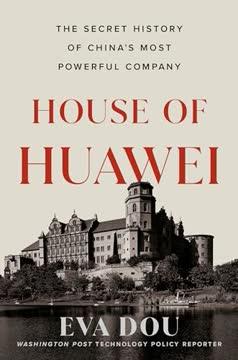
The story of Huawei is not simply a business story. It is a story about power, technology, and the collision of two worldviews. It is a story about how a man from a remote corner of southwestern China, shaped by famine and political upheaval, built a company that would eventually challenge the most advanced technology firms on the planet. And it is a story about how that company became the center of a geopolitical storm that continues to reshape the global economy.
**Author:** Eva Dou
**Estimated Reading Time:** 42 minutes
**What You'll Learn:**
- How a former military engineer built one of the world's most consequential technology companies from nothing - The internal culture, strategic decisions, and political calculations that propelled Huawei's rise - Why Huawei became the flashpoint of a global technological cold war - The human costs behind the company's relentless pursuit of dominance - What Huawei's story reveals about China's ambitions and the future of global technology
**Who This Book Is For:**
This book is for anyone seeking to understand the forces reshaping the global technology landscape. It is for business leaders navigating an increasingly fractured world, for policymakers grappling with questions of security and sovereignty, for technologists curious about the company that challenged Silicon Valley's dominance, and for readers who want to understand how a single corporation became a proxy for the ambitions of a rising superpower.
The story of Huawei is not simply a business story. It is a story about power, technology, and the collision of two worldviews. It is a story about how a man from a remote corner of southwestern China, shaped by famine and political upheaval, built a company that would eventually challenge the most advanced technology firms on the planet. And it is a story about how that company became the center of a geopolitical storm that continues to reshape the global economy. When Ren Zhengfei founded Huawei in 1987, he was a middle-aged former military engineer with little money and no clear path forward. China was just beginning to open its economy to private enterprise, and the telecommunications industry was dominated by foreign giants like Ericsson, Nokia, and Siemens. The idea that a small Chinese startup could one day compete with these titans, let alone surpass them, seemed absurd. Yet within three decades, Huawei had become the world's largest telecommunications equipment maker and a leading smartphone manufacturer. Its technology underpinned networks on every continent. Its engineers were celebrated for their brilliance and feared for their intensity. And its founder had become a figure of mythic proportions within China, a symbol of national resurgence and technological self-reliance. But Huawei's rise was never just about technology. From the beginning, the company was entangled with the Chinese state in ways that Western observers found difficult to understand. Ren Zhengfei served in the People's Liberation Army's engineering corps, working at a secretive base that developed military communications technology. He maintained close ties with government officials throughout his career. And his company's success was inseparable from China's broader strategy of technological modernization. This entanglement became the source of Huawei's greatest vulnerability. As the company expanded globally, Western governments began to ask uncomfortable questions. Could Huawei's equipment…
Continue reading in the MinuteRead app
Get the complete 30-minute summary of House of Huawei
Get the complete summary in the appHuawei was founded in 1987 by Ren Zhengfei, a former military engineer who grew up in poverty during the Great Chinese F
The company's success was built on a military-style culture that emphasized discipline, sacrifice, and mission focus.
Huawei's relationship with the Chinese state is symbiotic, not hierarchical. Both parties benefit from the arrangement.
The company's early success was built on reverse-engineering and adapting foreign technologies, a common pattern for com
Huawei became the world's largest telecommunications equipment maker by serving markets that competitors avoided, includ
The security concerns about Huawei are rooted in China's legal framework, which requires companies to cooperate with int
"House of Huawei" is a strong fit if you want practical ideas around china, business, history, especially themes like huawei was founded in 1987 by ren zhengfei, a former military engineer who grew up in poverty during the great chinese f; the company's success was built on a military-style culture that emphasized discipline, sacrifice, and mission focus. The MinuteRead summary distills these concepts into a focused read, whether you're deciding whether to buy the book or applying its lessons at work.
Eva Dou is a journalist known for her investigative reporting on technology and China. As a correspondent for The Wall Street Journal, she has broken numerous stories about Huawei and other Chinese tech companies. Dou's work demonstrates a deep understanding of the complex relationships between business, politics, and technology in China. Her writing style is described as straightforward and factual, reflecting her journalistic background. Dou's extensive research and balanced approach to report…
View all summaries by Eva DouContinue Reading
Access the complete 30-minute summary and thousands more nonfiction books in the MinuteRead app.

Continue reading the complete summary in the MinuteRead app.