MinuteRead
30 min
Book summary
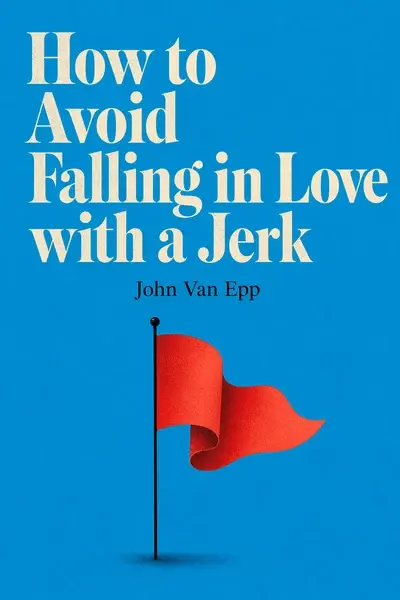
by John Van Epp
Premium summary · Opens in the app · 30 min read
Falling in love feels like magic. The rush of attraction, the late-night conversations, the sense that you have finally found someone who understands you. In those early months, everything seems possible. The future looks bright. The person across from you seems wonderful.
**Author:** John Van Epp **Estimated Reading Time:** 45 minutes
**What You'll Learn:** - Why chemistry alone is a terrible predictor of relationship success - How to evaluate a partner's character before your heart gets ahead of your head - The five key areas that determine whether someone is relationship-ready - How to pace intimacy so you can see clearly - What research reveals about the long-term effects of premarital choices
**Who This Book Is For:** Anyone who is dating, considering dating, or knows someone who keeps choosing the wrong partners. If you have ever wondered why you keep ending up with people who disappoint you, or if you want to make a wise choice the first time, this book will give you a clear framework for evaluating relationships before you commit.
Falling in love feels like magic. The rush of attraction, the late-night conversations, the sense that you have finally found someone who understands you. In those early months, everything seems possible. The future looks bright. The person across from you seems wonderful. Then reality arrives. The small warning signs you ignored become impossible to miss. The way they spoke to the waiter. The way they dismissed your concerns. The way their stories about past relationships never quite added up. The way they promised to change but never did. And you find yourself asking the same question you asked after the last relationship ended: How did I end up here again? John Van Epp has spent decades counseling couples and individuals through the wreckage of poor relationship choices. He has heard countless versions of the same story. People who are intelligent, successful, and capable in every other area of life repeatedly choose partners who hurt them, disappoint them, or simply cannot sustain a healthy relationship. The problem is not that these people are foolish. The problem is that they are using the wrong tools. Most people choose partners based on feelings. They evaluate relationships through the lens of chemistry and hope. They believe that love will conquer all, that their partner will change, that things will work out if they just try hard enough. They invest their hearts before they have gathered enough information to make a wise decision. By the time they see the truth, they are already emotionally entangled. Van Epp's approach is different. He does not ask you to ignore your feelings or approach relationships like a business transaction. Instead, he offers a framework for balancing your heart with your head. He shows you how to evaluate a potential partner's character, relationship skills, and patterns before you make a commitment you will regret. The central problem Van Epp addresses is simple: people fall in love with jerks…
Continue reading in the MinuteRead app
Get the complete 30-minute summary of How to Avoid Falling in Love with a Jerk
Get the complete summary in the app**Compatibility has three dimensions:** chemistry, complementarity, and comparability. You need all three.
**Knowing comes first:** You cannot truly love someone you do not truly know. Take time to learn who your partner really
**Patterns repeat:** How someone treats others and how they behaved in past relationships predicts how they will treat y
**Conscience matters:** Look for a partner who admits mistakes, feels genuine remorse, and considers your feelings.
**Trust is earned:** Do not give your trust before it has been earned through consistent behavior over time.
**Pace the five bonds:** Knowing, trusting, relying, committing, and sexual bonding should develop in order. Do not skip
"How to Avoid Falling in Love with a Jerk" is a strong fit if you want practical ideas around relationships, self help, psychology, especially themes like **compatibility has three dimensions:** chemistry, complementarity, and comparability. you need all three; **knowing comes first:** you cannot truly love someone you do not truly know. take time to learn who your partner really. The MinuteRead summary distills these concepts into a focused read, whether you're deciding whether to buy the book or applying its lessons at work.
John Van Epp is a relationship expert and author known for his work on dating and marriage. He developed the Relationship Attachment Model (RAM) to help individuals make informed decisions in their romantic relationships. Van Epp's background includes years of counseling couples and extensive research in relationship dynamics. His Christian worldview influences his approach, which emphasizes traditional values and cautions against premarital sex and cohabitation. Van Epp's work focuses on helpin…
View all summaries by John Van EppContinue Reading
Access the complete 30-minute summary and thousands more nonfiction books in the MinuteRead app.

Continue reading the complete summary in the MinuteRead app.