MinuteRead
30 min
Book summary
Premium summary · Opens in the app · 30 min read
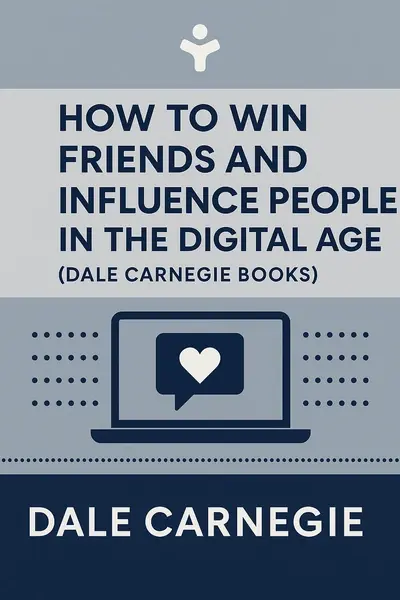
The original "How to Win Friends and Influence People" was published in 1936, when the telephone was still a novelty in many homes and the idea of instant global communication belonged to science fiction. Yet the book became one of the best-selling self-help books in history, translated into dozens of languages and taught in corporate training rooms around the world. Its endurance is remarkable, but the world it was written for no longer exists.
**Author:** Dale Carnegie **Estimated Reading Time:** 45 minutes
The principles that made Dale Carnegie's original work a timeless classic have not changed, but the arena where they play out has shifted dramatically. This condensed edition teaches you how to apply Carnegie's enduring wisdom to emails, social media, video calls, and every other digital space where human connection now happens. You will learn how to read digital body language, build trust without physical presence, navigate online conflict with grace, and create genuine influence through screens.
This book is for anyone who has ever sent a message that was misunderstood, struggled to build meaningful professional relationships online, or wondered how to stand out in a world of endless digital noise. Whether you are a leader managing remote teams, an entrepreneur building an online presence, or simply someone who wants deeper connections in a distracted world, these principles will transform how you show up digitally.
The original "How to Win Friends and Influence People" was published in 1936, when the telephone was still a novelty in many homes and the idea of instant global communication belonged to science fiction. Yet the book became one of the best-selling self-help books in history, translated into dozens of languages and taught in corporate training rooms around the world. Its endurance is remarkable, but the world it was written for no longer exists. Today, the average person spends nearly seven hours a day online. We conduct job interviews over video calls, maintain friendships through social media feeds, negotiate business deals through email threads, and form impressions of people we have never met in person. The handshake has been replaced by the friend request. The dinner conversation has been replaced by the group chat. The face-to-face meeting has been replaced by the Zoom room. And yet, the fundamental human needs that Carnegie identified remain unchanged. People still want to feel important. They still want to be listened to. They still respond to genuine appreciation. They still trust those who show consistency and integrity. The challenge is not that these principles have become irrelevant. The challenge is that the digital environment makes them harder to practice. When you cannot see someone's facial expressions, you miss the subtle cues that signal understanding or confusion. When your communication happens through text, tone becomes ambiguous. When your interactions are asynchronous, timing becomes a form of communication itself. The digital age has not eliminated the need for emotional intelligence. It has made emotional intelligence more critical than ever, while simultaneously making it more difficult to demonstrate. This book addresses that gap. It takes the core principles of Carnegie's philosophy and translates them for the digital landscape. The goal is not to teach you…
Continue reading in the MinuteRead app
Get the complete 30-minute summary of How to Win Friends and Influence People in the Digital Age
Get the complete summary in the appTreat digital communication with the same care and attention you would give to face-to-face interaction.
Learn to read digital body language: timing, tone, frequency, and format of online communication.
Listen to understand, not to reply. Acknowledge others' contributions before adding your own.
Cultivate genuine interest in others. Remember details about their lives and engage with their content.
Create content that serves your audience, not just yourself. Focus on value, not self-promotion.
Build trust through consistency. Do what you say you will do, when you say you will do it.
"How to Win Friends and Influence People in the Digital Age" is a strong fit if you want practical ideas around self help, business, psychology, especially themes like treat digital communication with the same care and attention you would give to face-to-face interaction; learn to read digital body language: timing, tone, frequency, and format of online communication. The MinuteRead summary distills these concepts into a focused read, whether you're deciding whether to buy the book or applying its lessons at work.
Dale Breckenridge Carnegie was an American writer, lecturer, and self-improvement pioneer born in 1888. Growing up poor in Missouri, he became a successful salesman before pursuing public speaking. Carnegie developed courses on self-improvement, salesmanship, and interpersonal skills. His most famous work, "How to Win Friends and Influence People," published in 1936, remains popular today. Carnegie's teachings emphasized changing one's own behavior to influence others positively. He authored sev…
View all summaries by Dale CarnegieContinue Reading
Access the complete 30-minute summary and thousands more nonfiction books in the MinuteRead app.

Continue reading the complete summary in the MinuteRead app.