 MinuteRead
30 min
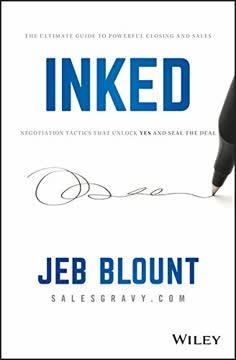
Book summary
by Jeb Blount
Premium summary · Opens in the app · 30 min read
Every salesperson knows the feeling. You have invested weeks or months into a deal. You have built relationships, delivered presentations, answered objections, and demonstrated value. Then the buyer says those words that make your stomach tighten: "Before we move forward, let's talk about price."
**Author:** Jeb Blount
**Estimated Reading Time:** 45 minutes
**What You'll Learn:** - Why sales negotiation is fundamentally different from other negotiation contexts - How to recognize when you have earned the right to negotiate - The emotional discipline required to stay grounded under pressure - How to build leverage and use it strategically - A practical framework for navigating any sales negotiation - How to secure firm commitments and get ink on paper
**Who This Book Is For:** Sales professionals who want to protect their margins, strengthen their customer relationships, and negotiate from a position of confidence rather than desperation. Whether you are new to sales or a seasoned veteran, this book will sharpen your ability to win deals without giving away the farm.
Every salesperson knows the feeling. You have invested weeks or months into a deal. You have built relationships, delivered presentations, answered objections, and demonstrated value. Then the buyer says those words that make your stomach tighten: "Before we move forward, let's talk about price." In that moment, everything changes. The friendly conversation shifts. The buyer leans back. The room feels different. You are no longer a trusted advisor. You are an opponent across a table, and the game has begun. Most salespeople are not prepared for this moment. They have been trained to prospect, to present, to overcome objections, and to close. But when it comes to negotiation, they improvise. They react emotionally. They give discounts they cannot afford. They agree to terms that erode their margins. And they walk away feeling like they lost, even when they won the deal. Jeb Blount wrote INKED to solve this problem. His central argument is simple but profound: sales negotiation is not about creating win-win outcomes. It is about winning for your team while minimizing resentment. Winning is paramount. The best negotiators secure the best possible deal for their company while preserving the long-term relationship with the customer. This is a delicate balance. Push too hard and you create resentment that poisons future interactions. Give too much and you train the buyer to expect concessions every time. The art lies in knowing when to stand firm, when to give, and how to do both without damaging the relationship. Blount's approach is grounded in a fundamental truth about sales: relationships matter. Unlike one-time transactions, sales negotiations happen within the context of an ongoing business relationship. The buyer will remember how you treated them. They will remember whether you were fair or manipulative. They will remember whether you listened or simply pushed your agenda. Those memories shape the lifetime value of the customer. The problem is that most salespeople enter negotiations with the wrong mindset. They believe negotiation is a…
Continue reading in the MinuteRead app
Get the complete 30-minute summary of INKED
Get the complete summary in the appWin first, then negotiate. Negotiation begins after you have earned Vendor of Choice status.
Emotional control is the single greatest predictor of negotiation success.
Build a robust pipeline. It is the most important source of leverage.
Use the SCORE framework for discovery. Understanding the buyer is the foundation of effective negotiation.
Use the DEAL framework during negotiations: Discover, Explain, Align, Lock.
Never give away leverage for free. Always exchange concessions for something of value.
"INKED" is a strong fit if you want practical ideas around business, buisness, especially themes like win first, then negotiate. negotiation begins after you have earned vendor of choice status; emotional control is the single greatest predictor of negotiation success. The MinuteRead summary distills these concepts into a focused read, whether you're deciding whether to buy the book or applying its lessons at work.
Jeb Blount is a renowned sales expert and author known for his practical approach to sales techniques. He has written multiple books on sales, including the popular "Fanatical Prospecting." Blount's writing style is characterized by its directness and focus on actionable strategies. He emphasizes the importance of continuous learning in sales, often stating that "when you out-learn, you out-earn." Blount's expertise spans various aspects of sales, from prospecting to negotiation, and he frequent…
View all summaries by Jeb BlountContinue Reading
Access the complete 30-minute summary and thousands more nonfiction books in the MinuteRead app.

Continue reading the complete summary in the MinuteRead app.






