MinuteRead
30 min
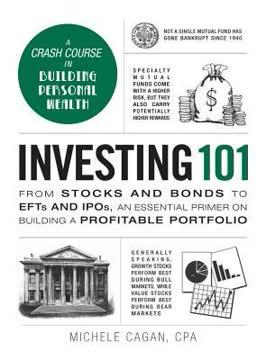
Most people know they should invest. They have heard about the stock market, retirement accounts, and the magic of compound interest. They may even have a 401(k) through work or a brokerage account they opened with good intentions. But when it comes to actually understanding what they own, why they own it, and whether their investments are working for them, many people feel lost.
**Author:** Michele Cagan **Estimated Reading Time:** 45 minutes
**What You'll Learn:** How the economy affects your investments, the core asset classes every investor should understand, different investing styles and how to choose one, how to think about real estate and alternative investments, and how to build a portfolio that matches your goals.
**Who This Book Is For:** Anyone who wants to understand how investing works without getting lost in jargon. Whether you are just starting out or have been investing for years without a clear strategy, this book gives you the foundation to make confident decisions.
Most people know they should invest. They have heard about the stock market, retirement accounts, and the magic of compound interest. They may even have a 401(k) through work or a brokerage account they opened with good intentions. But when it comes to actually understanding what they own, why they own it, and whether their investments are working for them, many people feel lost. The problem is not a lack of information. The problem is that the financial world speaks a language most people never learned. Terms like asset allocation, diversification, derivatives, and expense ratios get thrown around as if everyone understands them. The result is that millions of people either avoid investing altogether or hand their money over to someone else without really knowing what is happening. Michele Cagan wrote Investing 101 to solve this problem. As a Certified Public Accountant with years of experience explaining financial concepts to everyday readers, she understands that investing is not inherently complicated. It only seems that way because the industry has wrapped it in layers of jargon and complexity that serve the industry more than the investor. The truth is that the fundamentals of investing are accessible to anyone willing to learn them. You do not need a finance degree to understand how the stock market works. You do not need to be a math genius to build a diversified portfolio. You do not need to spend hours each day watching financial news to make sound investment decisions. What you need is a clear understanding of the basic principles that have always driven successful investing. This book exists because financial literacy is not a luxury. It is a necessity. The decisions you make about your money today will determine the quality of your life decades from now. Every year you delay investing is a year of potential growth you can never get back. Every investment decision you make without understanding the fundamentals is a risk you did not need to take. The economy is not some abstract force that only affects politicians and Wall Street executives. It affects your job, your savings, your purchasing power, and…
Continue reading in the MinuteRead app
Get the complete 30-minute summary of Investing 101
Get the complete summary in the appStart investing now, even if you can only afford a small amount. Time is your most powerful ally.
Diversify across asset classes, industries, and geographic regions to reduce risk.
Your asset allocation, the mix of stocks and bonds, is the most important determinant of your returns.
Low fees matter enormously. Choose index funds with expense ratios below 0.20 percent.
Do not try to time the market. Stay invested through good times and bad.
Rebalance your portfolio regularly to maintain your target allocation.
"Investing 101" is a strong fit if you want practical ideas around finance, business, economics, especially themes like start investing now, even if you can only afford a small amount. time is your most powerful ally; diversify across asset classes, industries, and geographic regions to reduce risk. The MinuteRead summary distills these concepts into a focused read, whether you're deciding whether to buy the book or applying its lessons at work.
Michele Cagan, CPA is a financial expert and author specializing in personal finance and investing. She has written multiple books on these topics, aiming to make complex financial concepts accessible to the average reader. Cagan's background as a Certified Public Accountant informs her practical approach to explaining investment strategies and financial planning. Her writing style is praised for being clear and easy to understand, particularly for beginners in the field of investing. Cagan's wo…
View all summaries by Michele CaganContinue Reading
Access the complete 30-minute summary and thousands more nonfiction books in the MinuteRead app.

Continue reading the complete summary in the MinuteRead app.