MinuteRead
5 min
Book summary
by Moira Weigel
Premium summary · Opens in the app · 5 min read
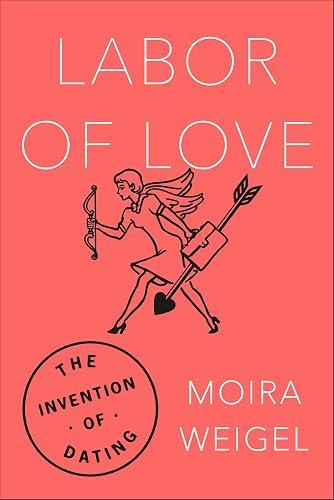
Labor of Love illustrates the history of modern dating as we know it, starting from its origins in the late 1800s all the way to the dating websites and apps we know today.
Labor of Love illustrates the history of modern dating as we know it, starting from its origins in the late 1800s all the way to the dating websites and apps we know today.
Out of all things, the one you’d least expect to yield a big influence over dating is probably economics. Yet, without some economic developments, we wouldn’t even be dating at all. The Industrial Revolution with its shift towards big factories and lots of manual labor required a lot of workers in one place. The factories huddled together, creating infrastructure around them and big cities were born.
Women moving to the city worked mostly as:
Factory workers. Sales personnel. House servants.
Before then, relationships were in the hands of parents and relatives, the matchmakers of the 19th century. But now, both men and women were out of the house, independent and had a chance to meet one another.
Because few people could afford spending money on entertainment like a night at the theater or a restaurant, let alone big apartments that weren’t crowded with 7-8 people, most dating was done in public: people snuck away some quiet, romantic time in parks or dark alleyways.
The wealthier middle class “called” on each other instead. Men knocked at a woman’s door, a servant would take the name and if the lady was interested, the two would spend some quality time with each other – under strict supervision, of course!
The second group from above set up the next big shift in dating. It’s the reason dating sites like OkCupid ask for your brand preferences before your personality traits and why Tinder thrives on judging people’s looks. The women working as sales reps in shops in the early 1900s, so-called shopgirls, infused dating with a big chunk of consumption.
Here’s how:
Since only rich people could afford to shop, working in a shop was a good way to meet a rich man and turn him into a rich husband. But how do you convince someone who’s three standard deviations away on the social status ladder to go out with you?
You show him you’ve got the same level of class as the women he’s used to dating. The shopgirls soon mimicked rich women so perfectly in their behavior and exclusive taste that it was hard to tell the difference between who was shopping in a store, and who was working there.
This new model of judging people based upon their taste and consumer preferences stuck, and it still influences us today: we check what kind of movies, brands and artists people like on Facebook, and a big part of first impressions is how people dress, including what the label says.
Continue reading in the MinuteRead app
Get the complete 5-minute summary of Labor Of Love
Get the complete summary in the appDating was invented when women started moving to cities.
Consumption became a central part of dating in the 1920s – and it still is today.
Today’s hookup culture started all the way back in the 50s.
"Labor Of Love" is a strong fit if you want practical ideas around communication skills, culture, history, especially themes like dating was invented when women started moving to cities; consumption became a central part of dating in the 1920s – and it still is today. The MinuteRead summary distills these concepts into a focused read, whether you're deciding whether to buy the book or applying its lessons at work.
Moira Weigel is a writer, translator, and scholar currently at the Harvard Society of Fellows. In 2017, she received her PhD from Yale University. Her writing has appeared in many publications, including The New York Times, The Guardian, and The New Republic.
View all summaries by Moira WeigelContinue Reading
Access the complete 5-minute summary and thousands more nonfiction books in the MinuteRead app.

Continue reading the complete summary in the MinuteRead app.