MinuteRead
30 min
Book summary
by Ruth Peters
Premium summary · Opens in the app · 30 min read
Every generation of parents faces a moment of reckoning. It usually arrives somewhere between the toddler tantrum in the cereal aisle and the teenager who slams a door after being asked to put away a phone. In that moment, a parent confronts an uncomfortable truth: the child they love has learned that persistence, whining, or emotional escalation can wear down adult resistance. And once that lesson takes hold, it spreads into every corner of family life.
**Author:** Ruth Peters, Ph.D.
**Estimated Reading Time:** 45 minutes
**What You'll Learn:**
- Why children do not naturally develop self-discipline without deliberate parental guidance - How to establish a family code of values that shapes behavior for decades - Why consistent consequences matter more than harsh punishments - How to break the cycle of nagging, negotiating, and giving in - Practical strategies for handling everything from homework battles to substance use - How to adapt your parenting approach as children grow from toddlers to teenagers
**Who This Book Is For:**
Parents who feel exhausted by constant negotiations with their children. Parents who worry that their kids are becoming entitled, disrespectful, or unmotivated. Parents who have tried being friends with their children and discovered that friendship without authority creates chaos. Anyone who wants a clear, structured approach to raising responsible, resilient, and respectful human beings.
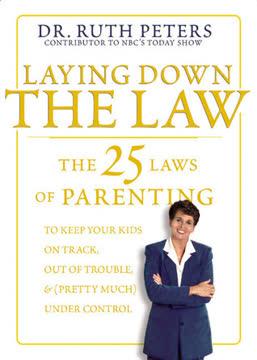
Every generation of parents faces a moment of reckoning. It usually arrives somewhere between the toddler tantrum in the cereal aisle and the teenager who slams a door after being asked to put away a phone. In that moment, a parent confronts an uncomfortable truth: the child they love has learned that persistence, whining, or emotional escalation can wear down adult resistance. And once that lesson takes hold, it spreads into every corner of family life. Ruth Peters wrote "Laying Down the Law" for parents living in that reality. As a clinical psychologist specializing in child and family issues, she spent decades watching well-meaning parents struggle with the same patterns. They loved their children deeply. They wanted their children to be happy. They believed that patience, explanation, and generosity would naturally produce good behavior. Instead, they found themselves trapped in endless negotiations, repeating themselves dozens of times, and eventually exploding in frustration or surrendering in exhaustion. The problem, Peters argues, is not that parents lack love. The problem is that many parents have abandoned their authority. They have been told that children should be reasoned with as equals, that punishment damages self-esteem, that structure stifles creativity. They have absorbed a cultural message that says good parents are flexible, permissive, and endlessly understanding. The result is not happier children. The result is children who feel anxious, insecure, and out of control because no one has established firm boundaries around their behavior. Children do not naturally develop into responsible, caring, self-disciplined people. That development requires deliberate teaching. It requires parents who are willing to say no and mean it. It requires consequences that actually matter to the child. It requires a family culture built on clear values rather than daily improvisation. Without these things, children learn that the world revolves around their desires, and that lesson produces misery…
Continue reading in the MinuteRead app
Get the complete 30-minute summary of Laying Down the Law
Get the complete summary in the appChildren learn behavior through consequences. Make the connection clear and consistent.
Discipline is teaching, not punishment. Focus on instruction before problems occur.
Families are not democracies. Parents must hold final authority.
Establish a written family code of values and use it to guide decisions.
Never threaten a consequence you are not willing to deliver.
Give in to tantrums and you teach children that tantrums work.
"Laying Down the Law" is a strong fit if you want practical ideas around parenting, especially themes like children learn behavior through consequences. make the connection clear and consistent; discipline is teaching, not punishment. focus on instruction before problems occur. The MinuteRead summary distills these concepts into a focused read, whether you're deciding whether to buy the book or applying its lessons at work.
Ruth Peters is the author of "Laying Down the Law," a parenting book that outlines 25 laws for raising children. As a psychologist specializing in child and family issues, Peters has likely drawn from her professional experience to provide guidance to parents. While specific details about her background are not provided, her approach seems to focus on practical advice and strategies for effective parenting. The book's reception suggests that Peters' methods may be somewhat controversial, with so…
View all summaries by Ruth PetersContinue Reading
Access the complete 30-minute summary and thousands more nonfiction books in the MinuteRead app.

Continue reading the complete summary in the MinuteRead app.