 MinuteRead
30 min
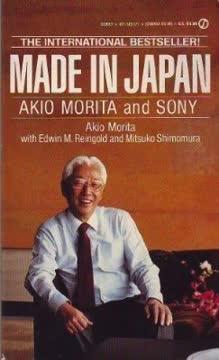
Book summary
by Akio Morita
Premium summary · Opens in the app · 30 min read
In the spring of 1946, in a bombed-out department store in Tokyo, two men sat in a room that had been patched together with whatever materials survived the war. One of them, Masaru Ibuka, was a brilliant engineer with a restless mind. The other, Akio Morita, was a young physicist from a family of sake brewers who had walked away from a comfortable inheritance to try something uncertain. They had almost no money, no factory, no products, and no customers. What they had was a conviction that they
**Author:** Akio Morita
**Estimated Reading Time:** 45 minutes
**What You'll Learn:** How a small Japanese startup rebuilt itself from the ashes of World War II to become one of the most innovative companies in history, and the philosophy of management, technology, and human dignity that made it possible.
**Who This Book Is For:** Entrepreneurs, managers, engineers, students of business history, and anyone who wants to understand how long-term thinking, respect for people, and relentless innovation can build organizations that change the world.
In the spring of 1946, in a bombed-out department store in Tokyo, two men sat in a room that had been patched together with whatever materials survived the war. One of them, Masaru Ibuka, was a brilliant engineer with a restless mind. The other, Akio Morita, was a young physicist from a family of sake brewers who had walked away from a comfortable inheritance to try something uncertain. They had almost no money, no factory, no products, and no customers. What they had was a conviction that they could build something new. That company, originally called Tokyo Telecommunications Engineering Corporation, would eventually become Sony. The name itself was invented by Morita, who wanted something short, memorable, and pronounceable in any language. He combined the Latin word "sonus," meaning sound, with the English slang "sonny," which suggested youth and energy. It was a small decision that revealed a larger philosophy: think globally from the beginning, even when you are starting from nothing. The Japan that Morita and Ibuka inhabited in those early years was a country in ruins. Cities had been flattened. Industry was destroyed. Food was scarce. The American occupation was reshaping every institution. And yet, Morita argues throughout this book, that very destruction created an opportunity. Japan had no choice but to rebuild, and rebuilding meant rethinking everything. Old assumptions about business, technology, and management no longer applied. A new generation could create new ways of working. Morita wrote "Made in Japan" in 1986, at a moment when Japan's economic power was at its peak and American anxiety about Japanese competition was intense. The book was partly a memoir, partly a business philosophy, and partly a diplomatic appeal. Morita wanted to explain Japan to the West, and he wanted to explain his own unusual approach to building a company. He was not a typical Japanese executive, if such a thing existed. He was outspoken, internationally minded, and willing to criticize both Japanese and Western business practices when he thought they were wrong. The central problem the book addresses is simple but profound: How do you build an organization that can innovate continuously over decades? How do you create products that people do not yet know they want?…
Continue reading in the MinuteRead app
Get the complete 30-minute summary of Made in Japan
Get the complete summary in the appInnovation comes from imagination, not market research. Customers cannot tell you what they want because they do not kno
Quality is a promise to the customer. Protect it at all costs, even when it hurts short-term profits.
Treat employees as family. Create a sense of belonging, security, and shared purpose.
Invest in research and development, even when it hurts current earnings. R&D is the source of future revenue.
Think globally from the beginning. Understand local cultures and hire local talent.
Compete fiercely, but cooperate when it makes sense. Standards and shared infrastructure require cooperation.
"Made in Japan" is a strong fit if you want practical ideas around business, biography, japan, especially themes like innovation comes from imagination, not market research. customers cannot tell you what they want because they do not kno; quality is a promise to the customer. protect it at all costs, even when it hurts short-term profits. The MinuteRead summary distills these concepts into a focused read, whether you're deciding whether to buy the book or applying its lessons at work.
Akio Morita was a visionary Japanese businessman and co-founder of Sony Corporation. Born in 1921 to a wealthy family in Nagoya, he studied physics before joining the Navy during World War II. After the war, Morita partnered with Masaru Ibuka to establish Tokyo Telecommunications Engineering Corporation, which later became Sony. Under Morita's leadership, Sony became a global electronics giant, pioneering products like the Walkman. He was known for his innovative approach to business, emphasis o…
View all summaries by Akio MoritaContinue Reading
Access the complete 30-minute summary and thousands more nonfiction books in the MinuteRead app.

Continue reading the complete summary in the MinuteRead app.






