MinuteRead
30 min
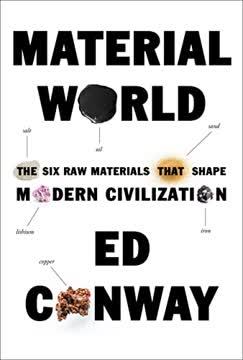
There is a story we tell ourselves about the modern world. It goes something like this: we have moved beyond the industrial age into an information age. Value now lives in apps, algorithms, and networks. The most powerful companies sell software, not steel. The most valuable resource is data, not oil. We have, in the familiar phrase, dematerialized.
**Author:** Ed Conway **Estimated Reading Time:** 42 minutes
**What You'll Learn:**
- Why sand, salt, iron, copper, oil, and lithium form the hidden foundation of modern civilization - How the physical world shapes geopolitics, economics, and daily life in ways most people never notice - What happens when supply chains break and why resilience matters more than efficiency - The environmental paradox at the heart of the green energy transition - How to see the material world clearly for the first time
**Who This Book Is For:**
Anyone who has ever wondered where the things around them actually come from. Readers who sense that the digital economy is not as weightless as it appears. People curious about how civilizations rise and fall based on what they can dig from the earth. And anyone who wants to understand the physical realities that will shape the coming century.
There is a story we tell ourselves about the modern world. It goes something like this: we have moved beyond the industrial age into an information age. Value now lives in apps, algorithms, and networks. The most powerful companies sell software, not steel. The most valuable resource is data, not oil. We have, in the familiar phrase, dematerialized. Ed Conway spent years believing some version of this story. As an economics journalist, he watched the rise of digital giants and the decline of manufacturing employment across the West. He saw how financial markets rewarded companies with intangible assets while punishing those burdened with factories and mines. The evidence seemed clear. The future was digital, and the physical world was becoming less relevant by the day. Then he started looking more closely. What he found was not dematerialization but a strange kind of invisibility. The physical world had not shrunk. It had simply moved out of sight. The mines, quarries, refineries, and factories that make modern life possible had been pushed to remote corners of the planet, hidden behind supply chains so complex that almost no one understands them. We consume more physical materials than any generation in history, yet we think about them less than ever before. Consider a single smartphone. It contains copper from Chile, lithium from Australia, silicon from quartz mined in North Carolina, rare earth elements from China, and gold that may have come from Peru or Ghana. The glass screen required sand of exceptional purity, melted at temperatures that would destroy most materials. The battery required cobalt from the Democratic Republic of Congo, where miners work in conditions most consumers would find unimaginable. The plastic casing began as crude oil pumped from beneath a desert or an ocean floor. None of this is visible when you hold the phone in…
Continue reading in the MinuteRead app
Get the complete 30-minute summary of Material World
Get the complete summary in the appThe digital economy is built on physical materials. The cloud is not a cloud. It is data centers made of concrete and st
Sand is the foundation of everything. It makes concrete, glass, and semiconductors possible. Not all sand is equal, and
Salt is essential for life and for the chemical industry. It is not just a seasoning. It is the feedstock for plastics,
Steel is the backbone of industry. If you don't have steel, you don't have a country. The production of steel is a measu
Copper is the nervous system of modernity. It makes electricity possible, and the energy transition is driving a surge i
Oil is not just a fuel. It is the raw material for countless products, and it will remain important for decades to come.
"Material World" is a strong fit if you want practical ideas around science, history, economics, especially themes like the digital economy is built on physical materials. the cloud is not a cloud. it is data centers made of concrete and st; sand is the foundation of everything. it makes concrete, glass, and semiconductors possible. not all sand is equal, and. The MinuteRead summary distills these concepts into a focused read, whether you're deciding whether to buy the book or applying its lessons at work.
Ed Conway is a respected journalist and author known for his expertise in economics and data analysis. As the Economics and Data Editor at Sky News, Conway has built a reputation for clear, insightful reporting on complex financial topics. His background in economics and his ability to distill intricate information into accessible narratives are evident in "Material World." Conway's journalistic approach is reflected in his extensive research and firsthand experiences visiting mines, factories, …
View all summaries by Ed ConwayContinue Reading
Access the complete 30-minute summary and thousands more nonfiction books in the MinuteRead app.

Continue reading the complete summary in the MinuteRead app.