 MinuteRead
30 min
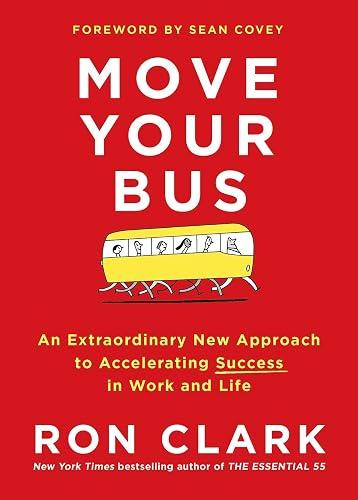
Move Your Bus illustrates the different kinds of groups in organizations, how leaders can inspire those groups, and what individuals can do to become highly valued, productive members of the organizations they serve.
Move Your Bus illustrates the different kinds of groups in organizations, how leaders can inspire those groups, and what individuals can do to become highly valued, productive members of the organizations they serve.
First of all, what’s this bus thing even about? “Moving your bus” is a metaphor Ron came up with, in order to teach organizations how they can make progress and what working together looks like.
Have you ever watched The Flintstones? It’s one of the most popular cartoon shows of all time, superseded only by The Simpsons. Because it’s set in the stone age, all cars and buses on the show work through footwork – only if all passengers run, the bus moves forward.
Organizations work the same way: everyone has a role to play, some bigger, some smaller, but only when all team members work together and give their best can you really move forward.
Even in elementary school classrooms, Ron has always believed in high expectations being a big part of that. Set the bar too low, and people won’t even bother trying. But when you set it high, you also have to clearly communicate what you expect from people and hold them accountable to it, so that they have a chance to deliver.
In a company that means managers should request specific outputs and encourage people to work in small doses. For example, a written, two-page report about last month’s sales performance within two days is a challenging, but clearly defined goal.
Having high expectations is good, but remember: what high expectations are is different for everyone. That two-page report might be an appropriate challenge for a junior sales manager, too easy for the head of sales and almost impossible to write for a call center agent. Sticking with the bus metaphor, Ron defines five different groups in organizations: The driver(s), who steers the bus and pushes everyone forward – these are usually the managers. The runners, who are the top performers, work hard and always have great, creative input on how to move on. The joggers, who are diligent and consistent workers, but only switch into high gear occasionally. The walkers, who are still steady, but rather slow, don’t like change too much and sometimes slow the bus down. The riders, who only run when someone’s watching them and otherwise use their intelligence to hide behind the crowd. As you can see, the span of motivation levels, work ethic and performance level within these five groups is huge – so naturally, you’ll have to deal differently with all these groups – some of which might move up, others might move down, and some will eventually have to get off the bus altogether to…
Continue reading in the MinuteRead app
Get the complete 5-minute summary of Move Your Bus
Get the complete summary in the appHigh expectations are good, as long as it’s possible for people to deliver on them.
Always remember that everyone performs at a different level, and work with people on an individual basis.
Learn patience and don’t feel entitled to anything and you’ll thrive in meritocracy.
"Move Your Bus" is a strong fit if you want practical ideas around business, career, communication skills, especially themes like high expectations are good, as long as it’s possible for people to deliver on them; always remember that everyone performs at a different level, and work with people on an individual basis. The MinuteRead summary distills these concepts into a focused read, whether you're deciding whether to buy the book or applying its lessons at work.
Ron Clark has been a teacher since 1995. Originally from North Carolina, he has taught in some of the most difficult schools in the country, most recently in Harlem, New York. Since winning the 2001 Disney Teacher of the Year Award, Clark has spoken to teachers, PTAs, and school boards across the country. He lives in Atlanta.
View all summaries by Ron ClarkContinue Reading
Access the complete 5-minute summary and thousands more nonfiction books in the MinuteRead app.

Continue reading the complete summary in the MinuteRead app.






