MinuteRead
30 min
Book summary
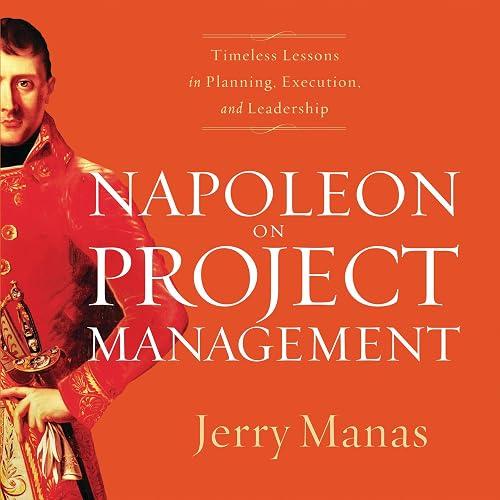
by Jerry Manas
Premium summary · Opens in the app · 30 min read
Napoleon Bonaparte conquered most of Europe before he turned forty. He transformed a struggling French republic into a continental empire. He reorganized governments, rewrote legal codes, and built systems that endure to this day. He also lost everything, twice, through a combination of overreach, isolation, and an inability to recognize when ambition had outrun wisdom.
**Author:** Jerry Manas
**Estimated Reading Time:** 42 minutes
**What You'll Learn:**
- The six principles that powered Napoleon's extraordinary rise and how they apply to modern projects - Why speed matters more than perfection and how to build momentum in your work - How to build teams that adapt quickly without losing direction - The warning signs of power, isolation, and burnout that led to Napoleon's downfall - Practical frameworks for risk analysis, decision-making, and knowing when to walk away
**Who This Book Is For:**
Project leaders, managers, entrepreneurs, and anyone responsible for guiding teams toward ambitious goals. If you have ever struggled with slow progress, disengaged teams, unclear objectives, or the weight of leadership, this book offers timeless lessons drawn from one of history's most brilliant and flawed leaders.
Napoleon Bonaparte conquered most of Europe before he turned forty. He transformed a struggling French republic into a continental empire. He reorganized governments, rewrote legal codes, and built systems that endure to this day. He also lost everything, twice, through a combination of overreach, isolation, and an inability to recognize when ambition had outrun wisdom. Jerry Manas opens this book with a provocative question: what can a nineteenth-century emperor teach us about managing projects in the twenty-first century? The answer, as it turns out, is a great deal. Napoleon did not succeed through luck or raw talent alone. He succeeded because he understood something fundamental about how work gets done. He knew that clarity beats complexity. He knew that speed creates opportunities that caution never sees. He knew that people fight harder when they believe in a cause and feel recognized for their contributions. And he knew that leadership requires character, not just intelligence. These insights did not come from business school. They came from the brutal laboratory of war, where mistakes cost lives and indecision meant defeat. Napoleon studied history obsessively. He read constantly. He prepared relentlessly. Before every campaign, he immersed himself in maps, supply routes, weather patterns, and the psychology of his enemies. He did not simply react to events. He shaped them. The modern project manager faces a different battlefield, but the fundamental challenges remain the same. You must align people around a clear objective. You must make decisions with incomplete information. You must manage stakeholders who have competing interests. You must maintain momentum when obstacles appear. You must keep your team motivated through long periods of uncertainty. And you must know when to push forward and when to step back. Manas argues that most project failures are not technical failures. They are leadership failures. Projects fail because objectives are unclear, communication is muddled, teams are disempowered, risks are ignored, and leaders lose touch with reality.…
Continue reading in the MinuteRead app
Get the complete 30-minute summary of Napoleon on Project Management
Get the complete summary in the app**Exactitude is the foundation.** Prepare thoroughly. Understand your environment. See reality as it is, not as you wish
**Speed is about reducing resistance.** Remove barriers, manage stakeholders, and focus resources. Momentum makes everyt
**Flexibility means adapting without losing direction.** Build teams that can operate independently within a clear frame
**Simplicity is the discipline of clarity.** Focus on the root problem. Communicate one message at a time.
**Character is the foundation of trust.** Keep promises. Take responsibility. Maintain composure under pressure.
**Moral force is the power of purpose and recognition.** People give their best effort when they believe in what they ar
"Napoleon on Project Management" is a strong fit if you want practical ideas around leadership, business, management, especially themes like **exactitude is the foundation.** prepare thoroughly. understand your environment. see reality as it is, not as you wish; **speed is about reducing resistance.** remove barriers, manage stakeholders, and focus resources. momentum makes everyt. The MinuteRead summary distills these concepts into a focused read, whether you're deciding whether to buy the book or applying its lessons at work.
Motivated to help readers with 1) Napoleon's Six Winning Principles: The Foundation of Success 2) Exactitude: Precision Through Awareness, Jerry Manas wrote “Napoleon on Project Management” to package those ideas for a fast, focused read. In “Napoleon on Project Management”, Jerry Manas focuses on 1) Napoleon's Six Winning Principles: The Foundation of Success 2) Exactitude: Precision Through Awareness. Through “Napoleon on Project Management”, Jerry Manas distills the core ideas on leadership i…
Continue Reading
Access the complete 30-minute summary and thousands more nonfiction books in the MinuteRead app.

Continue reading the complete summary in the MinuteRead app.