MinuteRead
30 min
Book summary
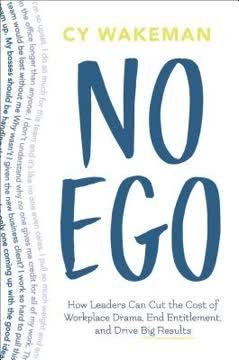
by Cy Wakeman
Premium summary · Opens in the app · 30 min read
Every workplace has a hidden tax. It does not appear on any financial statement. It is not measured in quarterly reports. Yet it drains more productivity, creativity, and energy than almost any other force in modern organizations.
**Author:** Cy Wakeman
**Estimated Reading Time:** 45 minutes
**What You'll Learn:**
- Why ego, not disengagement, is the real drain on workplace productivity - How traditional engagement strategies create entitlement instead of ownership - The difference between accountability and engagement, and why it matters - How to eliminate emotional waste and drama from your team - Practical tools for leading with reality instead of illusion
**Who This Book Is For:**
Leaders who are tired of walking on eggshells. Managers who spend too much time managing feelings and too little time achieving results. Employees who want to understand why some workplaces thrive while others drown in drama. Anyone who suspects that the conventional wisdom about employee engagement is broken and wants a better way.
Every workplace has a hidden tax. It does not appear on any financial statement. It is not measured in quarterly reports. Yet it drains more productivity, creativity, and energy than almost any other force in modern organizations. Cy Wakeman calls this hidden tax emotional waste. Consider a typical Monday morning. A manager announces a new initiative. Within hours, the hallway conversations begin. People speculate about hidden agendas. They complain about how this will make their jobs harder. They rehearse grievances about past changes that failed. Some retreat to their desks and quietly disengage. Others form coalitions of resistance. By Wednesday, the initiative that was supposed to improve results has become a source of stress, distraction, and drama. None of this is necessary. None of it is productive. And all of it is driven by one thing: ego. Wakeman spent years as a leadership consultant watching organizations pour millions of dollars into employee engagement programs. They built ping-pong tables and espresso bars. They conducted endless surveys asking employees what would make them happier. They trained managers to be more empathetic, more accommodating, more careful with feedback. And yet, in most organizations, engagement scores barely moved. Productivity did not improve. Drama continued to consume the workplace. The problem, Wakeman realized, was not that leaders were failing to engage their employees. The problem was that they were engaging the wrong part of their employees. They were catering to ego rather than challenging it. Ego, in Wakeman's framework, is not simply arrogance or self-importance. It is the voice in our heads that tells us we are right and others are wrong. It is the part of us that takes things personally, that feels victimized by circumstances, that resists feedback, and that would rather complain about a problem than solve it. Ego is the source of the stories we tell ourselves about why we are not succeeding, why others are to blame, and why our circumstances are uniquely unfair. The average employee,…
Continue reading in the MinuteRead app
Get the complete 30-minute summary of No Ego
Get the complete summary in the appEgo is the primary obstacle to workplace performance. It generates drama, resistance, and emotional waste.
The average employee spends 2.5 hours per day in drama. This is the hidden tax on productivity.
Suffering comes from stories, not reality. Separate facts from interpretations.
Engagement without accountability creates entitlement. Accountability is the real driver of results.
Buy-in is a prerequisite, not something to be earned. Have the honest conversation about fit.
Change readiness is more important than change management. Build capacity, not plans.
"No Ego" is a strong fit if you want practical ideas around leadership, business, professional development, especially themes like ego is the primary obstacle to workplace performance. it generates drama, resistance, and emotional waste; the average employee spends 2.5 hours per day in drama. this is the hidden tax on productivity. The MinuteRead summary distills these concepts into a focused read, whether you're deciding whether to buy the book or applying its lessons at work.
Cy Wakeman is a leadership consultant, speaker, and author known for her "reality-based leadership" philosophy. She emphasizes accountability and reducing workplace drama to improve organizational performance. Wakeman's approach focuses on helping leaders and employees manage their thoughts and reactions to workplace situations, rather than trying to change external circumstances. She advocates for eliminating "emotional waste" and encourages individuals to take responsibility for their own enga…
View all summaries by Cy WakemanContinue Reading
Access the complete 30-minute summary and thousands more nonfiction books in the MinuteRead app.

Continue reading the complete summary in the MinuteRead app.