MinuteRead
30 min
Book summary
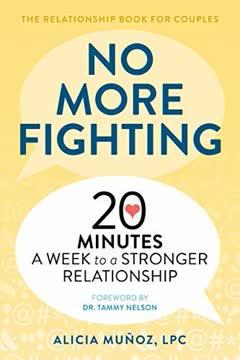
by Alicia Muñoz
Premium summary · Opens in the app · 30 min read
Every couple fights. That is not the problem. The problem is how most couples fight: with blame, defensiveness, withdrawal, and a desperate need to be right. The problem is that most people enter relationships believing that love should be easy, that the right partner will simply understand them, and that conflict signals something is fundamentally broken. None of this is true.
**Author:** Alicia Muñoz **Estimated Reading Time:** 42 minutes
- Why self-awareness matters more than winning arguments - How attachment styles shape every conflict you have - The communication skills that transform defensive exchanges into real conversations - Why vulnerability feels terrifying but creates the intimacy you crave - How to build daily rituals that protect your relationship from drift - A practical framework for navigating sexual differences without shame - How to handle external pressures without turning on each other
This book is for anyone who has ever found themselves in the middle of an argument wondering how a small disagreement became a full-blown fight. It is for couples who love each other but keep getting stuck in the same painful loops. It is for individuals who want to understand why they react the way they do and how to change those patterns. Whether you are in a new relationship, a decades-long partnership, or somewhere in between, the tools here will help you move from conflict to connection.
Every couple fights. That is not the problem. The problem is how most couples fight: with blame, defensiveness, withdrawal, and a desperate need to be right. The problem is that most people enter relationships believing that love should be easy, that the right partner will simply understand them, and that conflict signals something is fundamentally broken. None of this is true. Alicia Muñoz, a couples therapist with over sixteen years of clinical experience, has spent her career sitting with couples in their most painful moments. She has watched partners scream at each other, freeze each other out, and collapse into tears of frustration. She has also watched those same couples transform their relationships when they learned to approach conflict differently. This book distills that experience into a practical guide for anyone who wants to stop fighting and start connecting. The central problem Muñoz identifies is simple but profound: most people treat relationship conflict as a battle to be won rather than a signal to be understood. When your partner criticizes you, your nervous system responds as if you are under attack. You either fight back, defend yourself, or shut down. Your partner does the same. Before long, you are no longer talking about the dishes or the tone of voice or the forgotten anniversary. You are locked in a struggle for survival, each of you convinced the other is the enemy. This book offers a different path. It begins with a radical premise: you can be right, or you can be in relationship. You cannot always have both. The pursuit of being right, of proving your partner wrong, of winning the argument, comes at the direct expense of connection. Every time you…
Continue reading in the MinuteRead app
Get the complete 30-minute summary of No More Fighting
Get the complete summary in the appYou can be right, or you can be in relationship. Choose connection over victory.
Self-awareness is the foundation. Understand your triggers, patterns, and needs before trying to change your partner.
The Four Horsemen are criticism, contempt, defensiveness, and stonewalling. Learn their antidotes and use them.
Active listening means seeking to understand, not to respond. Mirror, validate, and empathize.
Use Nonviolent Communication: observations, feelings, needs, and requests. Avoid blame and demands.
Vulnerability is the gateway to intimacy. Share your fears and insecurities instead of hiding them.
"No More Fighting" is a strong fit if you want practical ideas around relationships, self help, marriage, especially themes like you can be right, or you can be in relationship. choose connection over victory; self-awareness is the foundation. understand your triggers, patterns, and needs before trying to change your partner. The MinuteRead summary distills these concepts into a focused read, whether you're deciding whether to buy the book or applying its lessons at work.
Alicia Muñoz, LPC is a certified couples therapist and author of four relationship books. With 16 years of experience in various clinical settings, including Bellevue Hospital in New York, she now works as a Senior Writer at Psychotherapy Networker and maintains a private couples therapy practice. Muñoz engages with her audience through monthly blogs, newsletters, podcasts, and social media platforms. She is affiliated with prestigious organizations such as the Washington School of Psychiatry, t…
View all summaries by Alicia MuñozContinue Reading
Access the complete 30-minute summary and thousands more nonfiction books in the MinuteRead app.

Continue reading the complete summary in the MinuteRead app.