MinuteRead
30 min
Book summary
by Gary Armstrong Philip Kotler
Premium summary · Opens in the app · 30 min read
Every day, you encounter thousands of marketing messages. They appear on your phone, interrupt your podcasts, line the highways, and fill your social media feeds. Most of them wash over you without effect. A few catch your attention. And a tiny handful change what you buy, what you believe, and how you live.
**Author:** Philip Kotler & Gary Armstrong
**Estimated Reading Time:** 45 minutes
**What You'll Learn:**
- Why marketing is fundamentally about creating value, not just selling products - How to design customer-driven marketing strategies that build lasting relationships - The essential frameworks for understanding customers, competitors, and markets - How to apply the marketing mix to deliver superior value in any industry - The principles behind sustainable, ethical marketing that benefits both business and society
**Who This Book Is For:**
This condensed edition is for entrepreneurs, business owners, marketing professionals, students, and anyone who wants to understand how successful companies attract customers, build brands, and create lasting competitive advantage. Whether you are launching a startup, managing an established brand, or simply curious about why some products thrive while others disappear, this book will give you a clear, practical foundation in marketing principles that have stood the test of time.
At the heart of all marketing lies a simple exchange: companies create value for customers, and customers create value for companies in return. This idea sounds obvious, yet it is profoundly misunderstood. Many businesses operate as if the exchange works in reverse: they create products first, then use marketing to extract value from customers. They push, persuade, and pressure. They treat customers as targets rather than partners. The customer-first approach inverts this logic. It starts with a question: What do customers need, want, and value? Only after answering that question does the company design products, set prices, choose distribution channels, and craft messages. The twofold goal of marketing captures this exchange precisely. First, attract new customers by promising superior value. Second, keep and grow current customers by delivering value and satisfaction. The first goal requires understanding what customers want before they buy. The second requires delivering on promises after they buy. When both goals are met, something remarkable happens. Customers stop being one-time transactions and become relationships. They return. They recommend. They forgive occasional mistakes. They become advocates who market the brand more effectively than any advertising campaign could. Think about the brands you love. Perhaps it is a coffee shop that remembers your order, an airline that treats you well when flights are delayed, or a software company that responds quickly when you need help. These companies did not earn your loyalty through clever slogans. They earned it by consistently delivering value that exceeded your expectations. The concept of customer equity captures the long-term value of these relationships. Customer equity is the total combined lifetime value of all current and potential customers. It is a measure of the future revenue a company can expect from its customer base. Companies that focus on customer equity make decisions differently. They are willing to…
Continue reading in the MinuteRead app
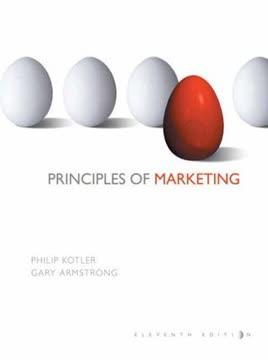
Get the complete 30-minute summary of Principals of Marketing & 1 Key CC Pkg
Get the complete summary in the appMarketing is creating customer value to capture value in return. Start with customers, not products.
Understand the five core marketplace concepts: needs, wants, and demands; market offerings; value and satisfaction; exch
Strategy answers two questions: who to serve and how to serve them. Use segmentation, targeting, differentiation, and po
The marketing mix includes product, price, place, and promotion. These must work as an integrated system.
Build customer relationships by delivering superior value and satisfaction. Loyal customers are more profitable than new
Use marketing information to generate customer insight. Data is valuable only when it guides better decisions.
"Principals of Marketing & 1 Key CC Pkg" is a strong fit if you want practical ideas around business, management, textbooks, especially themes like marketing is creating customer value to capture value in return. start with customers, not products; understand the five core marketplace concepts: needs, wants, and demands; market offerings; value and satisfaction; exch. The MinuteRead summary distills these concepts into a focused read, whether you're deciding whether to buy the book or applying its lessons at work.
Philip Kotler is a renowned marketing expert and author. His book "Marketing Management" is the most widely used graduate-level marketing textbook globally. Kotler has developed numerous marketing concepts, including atmospherics, demarketing, and megamarketing. He believes marketing theory should extend beyond price theory to incorporate innovation, distribution, and promotion systems. Kotler has consulted for large companies on marketing strategy and international marketing. He regularly prese…
View all summaries by Gary Armstrong Philip KotlerContinue Reading
Access the complete 30-minute summary and thousands more nonfiction books in the MinuteRead app.

Continue reading the complete summary in the MinuteRead app.