MinuteRead
30 min
Book summary
Premium summary · Opens in the app · 30 min read
Every parent wants their child to succeed. We dream of children who grow up happy, secure, and capable of building good lives. We work hard to give them opportunities we never had. We send them to good schools, help with homework, and encourage them to study. We tell them to get good grades so they can get good jobs. We believe, deeply and sincerely, that education is the key to a better future.
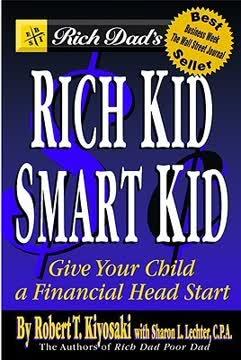
**Author:** Robert T. Kiyosaki **Estimated Reading Time:** 45 minutes
The single most important financial gift you can give your child is not money. It is the ability to think clearly about money, to understand how it works, and to use it as a tool for building a life of freedom and purpose. This book will show you how to become your child's first and most influential financial teacher. You will learn why traditional education fails to prepare children for financial reality, how to identify your child's unique learning style and genius, and how to create practical lessons that turn everyday experiences into powerful financial education.
This book is for parents who want their children to grow up financially capable and confident. It is for educators who recognize that something essential is missing from the standard curriculum. It is for anyone who grew up without financial education and wants to break the cycle for the next generation. Whether your child is five or fifteen, whether you are wealthy or struggling, the principles in this book will help you raise a child who understands money, respects its power, and uses it wisely.
Every parent wants their child to succeed. We dream of children who grow up happy, secure, and capable of building good lives. We work hard to give them opportunities we never had. We send them to good schools, help with homework, and encourage them to study. We tell them to get good grades so they can get good jobs. We believe, deeply and sincerely, that education is the key to a better future. But something is missing. The traditional education system was designed for a different era. It was built to produce good employees, people who would follow instructions, complete assignments, and fit into large organizations. Schools teach reading, writing, and arithmetic. They teach history, science, and literature. But they do not teach children how money works. They do not teach children how to build wealth, how to invest, or how to think like entrepreneurs. They do not teach children that there are options beyond trading time for money. The result is a generation of adults who are academically educated but financially illiterate. They work hard, earn money, and spend it. They accumulate debt. They struggle to understand why they never seem to get ahead. They pass these habits and anxieties on to their children, and the cycle continues. Robert Kiyosaki believes this cycle can be broken. He believes the solution begins at home, with parents who are willing to become financial teachers. In Rich Dad's Rich Kid Smart Kid, he argues that money is not just a medium of exchange. It is a teaching tool. How you talk about…
Continue reading in the MinuteRead app
Get the complete 30-minute summary of Rich Dad's Rich Kid Smart Kid
Get the complete summary in the app**Money is a teaching tool.** Every financial decision you make teaches your child something about money.
**Assets put money in your pocket; liabilities take money out.** Teach your child this distinction early.
**Use the three piggy bank system.** Saving, spending, and investing are three different skills.
**Every child has a unique genius.** Discover it and nurture it.
**Success is the freedom to be who you are.** Help your child define success on their own terms.
**Entrepreneurship teaches lessons no classroom can teach.** Encourage your child to start small businesses.
"Rich Dad's Rich Kid Smart Kid" is a strong fit if you want practical ideas around business, finance, self help, especially themes like **money is a teaching tool.** every financial decision you make teaches your child something about money; **assets put money in your pocket; liabilities take money out.** teach your child this distinction early. The MinuteRead summary distills these concepts into a focused read, whether you're deciding whether to buy the book or applying its lessons at work.
Robert Toru Kiyosaki is an American businessman and author best known for his "Rich Dad Poor Dad" series of personal finance books. He founded the Rich Dad Company, which provides financial education through various media. Kiyosaki's career has been marked by both success and controversy. He has faced legal challenges, including a class action lawsuit and bankruptcy filing for one of his companies. His teachings and seminars have been the subject of investigative reports by major news outlets. I…
View all summaries by Robert T. KiyosakiContinue Reading
Access the complete 30-minute summary and thousands more nonfiction books in the MinuteRead app.

Continue reading the complete summary in the MinuteRead app.