 MinuteRead
30 min
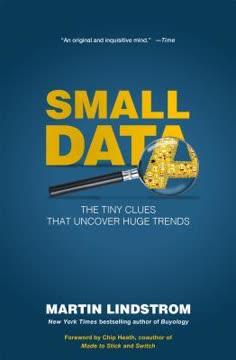
The modern business world runs on data. Every click, every swipe, every purchase generates information that feeds algorithms designed to predict what consumers will do next. Companies spend billions collecting and analyzing this information, convinced that the path to growth lies in ever-larger datasets. The assumption is simple: more data means better decisions.
**Author:** Martin Lindstrom
**Estimated Reading Time:** 48 minutes
**What You'll Learn:**
- Why the most valuable consumer insights often come from a single observation, not massive datasets - How cultural context shapes what people buy and why they buy it - The hidden emotional drivers behind brand loyalty - Practical methods for uncovering small data in your own life and work - How global brands have used small data to reverse decline and spark innovation
**Who This Book Is For:**
This book is for anyone who has ever felt that numbers alone cannot explain human behavior. It is for marketers frustrated by spreadsheets that fail to capture desire. It is for entrepreneurs seeking to understand customers on a deeper level. It is for leaders who suspect that the next breakthrough idea is hiding in plain sight, waiting to be noticed. If you have ever wondered why people say one thing in surveys and do another in stores, this book will change how you see the world.
The modern business world runs on data. Every click, every swipe, every purchase generates information that feeds algorithms designed to predict what consumers will do next. Companies spend billions collecting and analyzing this information, convinced that the path to growth lies in ever-larger datasets. The assumption is simple: more data means better decisions. Martin Lindstrom spent years watching this assumption fail. He built a career as a global branding consultant, working with companies like LEGO, Pepsi, McDonald's, and Disney. Along the way, he noticed something troubling. The companies with the most sophisticated data operations were often the ones making the most spectacular mistakes. They knew what consumers were doing, but they had no idea why. They could track behavior with precision, but they could not explain the desires, fears, and aspirations driving that behavior. The problem was not the data itself. The problem was what the data could not see. Big data excels at measuring what has already happened. It reveals patterns in past behavior and extrapolates them into the future. But human beings are not purely rational creatures operating in predictable patterns. We are driven by emotions we barely understand, influenced by cultural forces we rarely notice, and motivated by desires we struggle to articulate. When a consumer walks into a store, she carries with her a lifetime of memories, associations, and unconscious impulses. Big data sees her purchase history. It does not see her. Lindstrom's insight was that the most valuable information about consumers often comes from the smallest observations. A worn pair of sneakers in a German boy's bedroom. A fridge magnet in a Russian kitchen. The way a Saudi Arabian family arranges their living room. These tiny details, overlooked by…
Continue reading in the MinuteRead app
Get the complete 30-minute summary of Small Data
Get the complete summary in the appSmall data reveals what big data cannot: the why behind consumer behavior.
Every person has a Twin Self, an emotional age that shapes preferences more powerfully than chronological age.
Cultural imbalances create desire. Identify what is missing in a culture and you will find opportunity.
Rituals create loyalty. Products embedded in meaningful ceremonies become irreplaceable.
Engage multiple senses to create memorable brand experiences that trigger emotional responses.
Authenticity is demonstrated through behavior, not claimed through marketing.
"Small Data" is a strong fit if you want practical ideas around business, psychology, technology, especially themes like small data reveals what big data cannot: the why behind consumer behavior; every person has a twin self, an emotional age that shapes preferences more powerfully than chronological age. The MinuteRead summary distills these concepts into a focused read, whether you're deciding whether to buy the book or applying its lessons at work.
Martin Lindstrom is a bestselling author and business consultant known for his innovative marketing insights. His books, including Small Data and The Ministry of Common Sense, have sold millions of copies worldwide. Lindstrom's work focuses on uncovering consumer behavior patterns through unconventional methods and eliminating bureaucratic inefficiencies in business. Named one of Time Magazine's "Most Influential People" and a top business thinker by Thinkers50, Lindstrom has gained internationa…
View all summaries by Martin LindstromContinue Reading
Access the complete 30-minute summary and thousands more nonfiction books in the MinuteRead app.

Continue reading the complete summary in the MinuteRead app.






