 MinuteRead
30 min
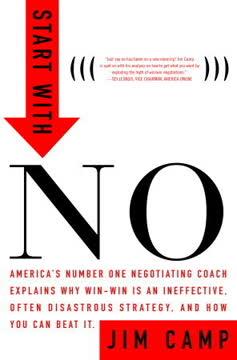
Negotiation is one of the most misunderstood skills in modern life. We are taught from an early age that the goal of any negotiation is to reach an agreement. We are told that both sides should walk away happy. We are encouraged to find common ground, to compromise, to be reasonable. The entire edifice of conventional negotiation wisdom rests on a single word: yes.
**Author:** Jim Camp
**Estimated Reading Time:** 42 minutes
**What You'll Learn:**
* Why "win-win" negotiation is a dangerous myth that leads to bad deals * How inviting "no" creates clarity, control, and better outcomes * The power of a blank slate mindset and why your assumptions are your enemy * How to build a mission and purpose that guides every decision * The art of asking questions that reveal what your adversary truly needs * How to manage your time, energy, money, and emotion as negotiation budgets * Why the best presentation is the one your adversary never sees
**Who This Book Is For:**
This book is for anyone who negotiates, which means everyone. Whether you are closing a business deal, buying a car, managing a team, negotiating a salary, or navigating a difficult conversation with a family member, the principles in this book apply. It is especially valuable for professionals who have been trained in traditional "win-win" negotiation and sense that something is missing. If you have ever walked away from a negotiation feeling manipulated, rushed, or unsure whether you got a good deal, this book will give you a completely different framework.
Negotiation is one of the most misunderstood skills in modern life. We are taught from an early age that the goal of any negotiation is to reach an agreement. We are told that both sides should walk away happy. We are encouraged to find common ground, to compromise, to be reasonable. The entire edifice of conventional negotiation wisdom rests on a single word: yes. Jim Camp spent decades teaching a radically different approach. His argument is simple and unsettling. The pursuit of "yes" is the root cause of bad deals, broken relationships, and missed opportunities. When you negotiate with the goal of getting the other side to say yes, you set yourself up for manipulation, emotional decision-making, and unnecessary compromise. You become desperate for agreement. You start to see "yes" as the only acceptable outcome. And the other side knows it. Camp's alternative is counterintuitive. He teaches negotiators to invite "no." He argues that "no" is not a rejection. It is a decision. It is the first real decision the other party makes. When someone says no, they are finally engaging with the substance of the negotiation. They are telling you something true. They are giving you information you can use. Most importantly, they are relaxing. The pressure to say yes is gone. Now the real conversation can begin. This book is not a collection of tricks or tactics. It is a complete system for approaching negotiations with clarity, discipline, and emotional control. Camp developed this system over decades of working with Fortune 500 companies, government…
Continue reading in the MinuteRead app
Get the complete 30-minute summary of Start with NO...The Negotiating Tools that the Pros Don't Want You to Know
Get the complete summary in the app**Invite "no."** Make it clear that no deal is acceptable. This removes pressure and creates clarity.
**Adopt a blank slate.** Enter every negotiation without assumptions. Ask questions and listen carefully.
**Write a mission and purpose.** Set it in the adversary's world. Use it to guide every decision.
**Focus on behavior, not outcomes.** You can only control what you do. Do the right things and the outcomes will follow.
**Ask interrogative-led questions.** Start with who, what, when, where, why, or how. Ask one at a time.
**Understand the other side's pain.** Their challenges drive the negotiation. Help them see their pain clearly.
"Start with NO...The Negotiating Tools that the Pros Don't Want You to Know" is a strong fit if you want practical ideas around business, psychology, communication, especially themes like **invite "no."** make it clear that no deal is acceptable. this removes pressure and creates clarity; **adopt a blank slate.** enter every negotiation without assumptions. ask questions and listen carefully. The MinuteRead summary distills these concepts into a focused read, whether you're deciding whether to buy the book or applying its lessons at work.
Jim Camp was a negotiation expert and founder of Camp Negotiation Systems. He developed the Coach2100 negotiation training system and worked with numerous Fortune 500 companies. Camp's background as a military jet pilot influenced his approach to negotiations. He emphasized the importance of emotional control, preparation, and understanding the other party's perspective. Jim Camp argued against traditional "win-win" negotiation tactics, instead advocating for a more assertive approach that start…
View all summaries by Jim CampContinue Reading
Access the complete 30-minute summary and thousands more nonfiction books in the MinuteRead app.

Continue reading the complete summary in the MinuteRead app.






