 MinuteRead
30 min
Book summary
by Sean Ellis
Premium summary · Opens in the app · 5 min read
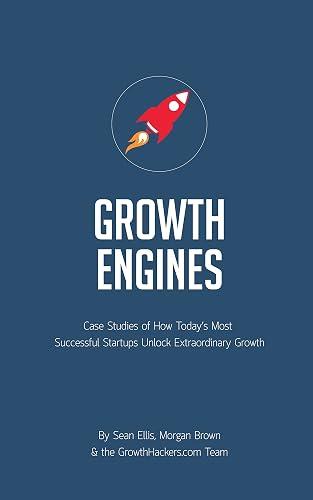
Startup Growth Engines shows you the strategies and tactics startups like Uber, Facebook and Yelp have used to achieve phenomenal growth in short time periods, and how you can use them to solve a big problem on a grand scale.
Startup Growth Engines shows you the strategies and tactics startups like Uber, Facebook and Yelp have used to achieve phenomenal growth in short time periods, and how you can use them to solve a big problem on a grand scale.
Huh? What the hell is that supposed to mean?
It means you should go for a big share of a small market. Most startups aim for the opposite. They’d rather grab a 1% piece of a $100 million dollar market, than 100% of a $1 million market. The problem with the former is that you’ll be the last rat to join the race and competition ain’t pretty. The latter might not even be competed for at all.
The best way to do this is to start locally. Limiting yourself to a physical location, where your ideal customers hang out, is the easiest way to make sure you don’t reach for too much right off the bat.
For example, Facebook was initially limited to Harvard students and Uber exclusively served people in San Francisco. You can also focus on a certain segment online, like PayPal did with Ebay powersellers, the ones who most benefitted from their product.
Going for a big share of a small market allows you to do several things:
Not drown in competition. Collect precious data about your ideal customers. Expand gradually by swapping from one market into the next that’s bordering on yours.
A great way to make sure you actually do reach a substantial share of your small target market is to go the freemium route. Freemium simply means there’s a version of your product that people can use for free, with an upgrade to more and better functionality being optional. For example, most gaming apps now work this way. You can download and play the game for free, but to access certain features (or to advance faster), you have to pay. Plenty of software services also do this, like Dropbox, Evernote or Trello. Beware of two things though: Is your product easy enough to use? Can you offer a proper reason to upgrade later? A complicated product, which takes some time to learn to use properly, often doesn’t work in a freemium model. People haven’t invested any money, so why bother committing several weeks to learning a new piece of software? For example, ConvertKit is an email marketing software for professional bloggers, but you have to learn a lot to use it properly. By having to pay first, you’re more likely to make use of their customer support, demos and workshops to actually learn how to get the most out of it. Dropbox, on the other hand, is dead simple to use. The only problem…
Continue reading in the MinuteRead app
Get the complete 5-minute summary of Startup Growth Engines
Get the complete summary in the appStart big, but small.
Experiment with a freemium model, but only under certain conditions.
Build a free tool that solves a problem to get people to know you.
"Startup Growth Engines" is a strong fit if you want practical ideas around business, entrepreneurship, marketing, especially themes like start big, but small; experiment with a freemium model, but only under certain conditions. The MinuteRead summary distills these concepts into a focused read, whether you're deciding whether to buy the book or applying its lessons at work.
Sean has built the growth engines for several highly successful startups from the ground up. At LogMeIn and Uproar, he drove the process from inception to IPO. Then later in his career, he narrowed his focus and led the early, most challenging phases of startup growth engine development at Dropbox, Lookout, and Eventbrite, all of which reached multi-billion-dollar valuations. His experience building successful growth engines from inception has given him unique insights to unlock growth for comp…
View all summaries by Sean EllisContinue Reading
Access the complete 5-minute summary and thousands more nonfiction books in the MinuteRead app.

Continue reading the complete summary in the MinuteRead app.






