MinuteRead
30 min
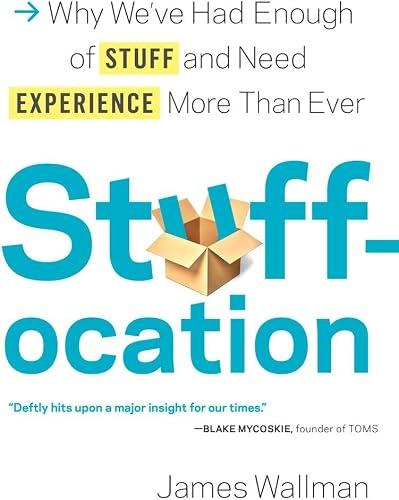
In the spring of 2009, a young American named Ryan Nicodemus found himself standing in his living room, surrounded by the evidence of his success. He had the high-paying job, the nice apartment, the expensive car, the closets full of clothes, the latest gadgets. By every conventional measure, he had made it. And yet, as he looked around at all his possessions, he felt something unexpected: emptiness.
**Author:** James Wallman **Estimated Reading Time:** 45 minutes
Why having more stuff is making you less happy, how we got trapped in a culture of endless consumption, and why the shift from material possessions to experiences represents one of the most significant cultural transformations of our time. You'll discover the psychology behind why experiences bring more lasting satisfaction than things, how social media has changed the way we signal status, and practical strategies for living a richer life with fewer possessions.
Anyone who has ever looked around their home and felt overwhelmed by the sheer volume of things they own. Anyone who has bought something hoping it would make them happier, only to find the feeling faded within days. Anyone who suspects that the relentless pursuit of more is not actually leading to a better life. If you've ever wondered whether there's a better way to spend your money, time, and energy, this book is for you.
In the spring of 2009, a young American named Ryan Nicodemus found himself standing in his living room, surrounded by the evidence of his success. He had the high-paying job, the nice apartment, the expensive car, the closets full of clothes, the latest gadgets. By every conventional measure, he had made it. And yet, as he looked around at all his possessions, he felt something unexpected: emptiness. Ryan's story is not unique. Across the developed world, millions of people are discovering that the promise of materialism has not delivered the happiness it guaranteed. We have more stuff than any generation in human history. Our homes are larger, our closets are fuller, our garages are overflowing. And yet, rates of depression, anxiety, and dissatisfaction continue to climb. This is the paradox at the heart of modern life: we have never had more, and we have never felt less fulfilled. James Wallman calls this phenomenon "Stuffocation." It's the feeling of being suffocated by our own possessions, overwhelmed by the sheer volume of things we've accumulated and the endless pressure to acquire more. It's the nagging sense that our stuff is not enriching our lives but burdening them. The problem is not just personal. It's environmental, with our consumption habits depleting resources and filling landfills at an unsustainable rate. It's economic, with households drowning in debt to fund purchases that bring only fleeting satisfaction. It's social, with status anxiety driving us to compete with neighbors and strangers in an endless arms race of acquisition. But Wallman's book is not a doom-laden critique of consumer culture. It's an optimistic exploration of what comes next. Because something remarkable is happening. Across the globe, people are beginning to shift their values away from material possessions and toward experiences. They're…
Continue reading in the MinuteRead app
Get the complete 30-minute summary of Stuffocation
Get the complete summary in the appMore stuff does not mean more happiness. Beyond basic comfort, additional possessions provide diminishing returns in sat
Experiences beat possessions. Psychological research consistently shows that spending on experiences brings more lasting
Clutter creates stress. The mess in your home is not just an aesthetic problem; it's a psychological burden that affects
Consumer culture was engineered. The throwaway culture we live in was deliberately created by advertising professionals
Status is shifting from possessions to experiences. Social media has made experiences more visible and shareable, turnin
The experience economy is growing. Businesses that stage memorable experiences are thriving while traditional retailers
"Stuffocation" is a strong fit if you want practical ideas around self help, psychology, sociology, especially themes like more stuff does not mean more happiness. beyond basic comfort, additional possessions provide diminishing returns in sat; experiences beat possessions. psychological research consistently shows that spending on experiences brings more lasting. The MinuteRead summary distills these concepts into a focused read, whether you're deciding whether to buy the book or applying its lessons at work.
Motivated to help readers with overwhelmed and suffocating from stuff, James Wallman wrote “Stuffocation” to package those ideas for a fast, focused read. In “Stuffocation”, James Wallman focuses on overwhelmed and suffocating from stuff. Through “Stuffocation”, James Wallman distills the core ideas on self help into lessons readers can absorb in a single short sitting. Readers turn to this work when they want James Wallman's perspective on the subject without working through the entire original…
View all summaries by James WallmanContinue Reading
Access the complete 30-minute summary and thousands more nonfiction books in the MinuteRead app.

Continue reading the complete summary in the MinuteRead app.