MinuteRead
30 min
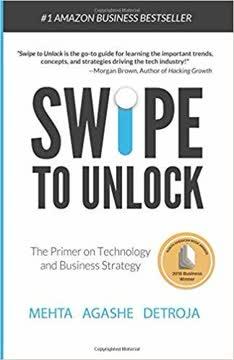
You wake up and check your phone. You scroll through Instagram. You search for something on Google. You stream a song on Spotify. You swipe through a few profiles on a dating app. By the time you finish breakfast, you've interacted with a dozen different pieces of technology. And almost none of them asked you for money.
**Authors:** Neel Mehta, Parth Detroja, and Aditya Agashe
**Estimated Reading Time:** 45 minutes
**What You'll Learn:** Why Google gives away Android for free. How Spotify and Tinder make money when most users never pay a cent. What APIs really are and why they matter more than you think. How targeted advertising actually works behind the scenes. Why emerging markets like India are reshaping the global tech landscape. And how to think clearly about the business models, strategies, and technologies that power the digital world.
**Who This Book Is For:** Anyone who uses technology and wants to understand how it actually works. You don't need a technical background. You don't need to write code. You just need curiosity about the invisible forces shaping the products you use every day. Whether you're a student exploring careers in tech, a professional trying to understand the digital economy, or simply someone tired of feeling lost when conversations turn to algorithms and platforms, this book will give you a clear mental model of the modern tech landscape.
You wake up and check your phone. You scroll through Instagram. You search for something on Google. You stream a song on Spotify. You swipe through a few profiles on a dating app. By the time you finish breakfast, you've interacted with a dozen different pieces of technology. And almost none of them asked you for money. How is that possible? How do companies spend billions of dollars building products, hiring engineers, maintaining servers, and designing interfaces, only to give everything away for free? The answer is not simple, but it is knowable. And understanding it changes how you see every app, every platform, and every digital service you use. Most people go through their digital lives in a fog. They sense that something is happening behind the scenes. They've heard that companies collect data. They know ads follow them around the internet. But they don't really understand the mechanics. They don't know why Google bought Android, why Facebook bought Instagram, or why a telecom company in India started offering free data and changed the global internet forever. This book exists because the authors noticed a gap. They were working in the tech industry, explaining concepts to friends and family, and realizing that most explanations of technology are either too technical or too shallow. The technical explanations lose people in jargon. The shallow ones leave people with platitudes like "data is the new oil" without explaining what that actually means. So they wrote a different kind of book. One that explains the business strategies, economic models, and technical concepts behind the digital world in plain, clear language. One that uses stories, analogies, and real examples instead of code…
Continue reading in the MinuteRead app
Get the complete 30-minute summary of Swipe to Unlock
Get the complete summary in the appIf you're not paying, you're the product. Your attention and data are being sold to advertisers.
Free is a user acquisition strategy, not a business model. The money comes from advertising, data, or premium upgrades.
Digital products have near-zero marginal cost. This enables scale economics that are impossible in physical industries.
APIs allow software to talk to software. They're the hidden infrastructure that makes modern applications possible.
Algorithms are human creations that optimize for objectives chosen by humans. They're not magic and they're not neutral.
Android is free because it's a delivery mechanism for Google's advertising business, not a product Google sells.
"Swipe to Unlock" is a strong fit if you want practical ideas around business, technology, entrepreneurship, especially themes like if you're not paying, you're the product. your attention and data are being sold to advertisers; free is a user acquisition strategy, not a business model. the money comes from advertising, data, or premium upgrades. The MinuteRead summary distills these concepts into a focused read, whether you're deciding whether to buy the book or applying its lessons at work.
Neel Mehta is the author of Swipe to Unlock . He co-wrote the book with Parth Detroja and Aditya Agashe. The trio aimed to create an accessible guide to technology and business concepts for non-technical readers. Mehta's background is not explicitly stated in the given information, but his work suggests expertise in technology and business strategy. The book's success indicates Mehta's ability to break down complex topics into understandable terms. His writing style is described as engaging and …
View all summaries by Parth DetrojaContinue Reading
Access the complete 30-minute summary and thousands more nonfiction books in the MinuteRead app.

Continue reading the complete summary in the MinuteRead app.