MinuteRead
30 min
Book summary
Premium summary · Opens in the app · 30 min read
Every parent wants their child to succeed. But somewhere along the way, our definition of success became dangerously narrow. We started measuring our children's worth by their grade point averages, their standardized test scores, and the prestige of the colleges that accept them. We convinced ourselves that pushing harder, scheduling more activities, and eliminating every obstacle would give our children an advantage in an increasingly competitive world.
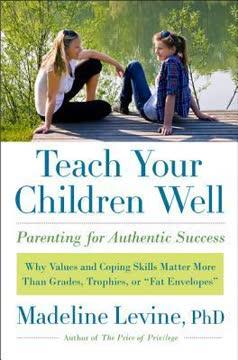
**Author:** Madeline Levine
**Estimated Reading Time:** 45 minutes
**What You'll Learn:** How to redefine success for your children, protect the essential developmental stages of childhood, build genuine resilience, and align your parenting with your deepest values.
**Who This Book Is For:** Parents, educators, and caregivers who feel trapped between the pressure to push children toward narrow definitions of achievement and the desire to raise happy, healthy, well-adjusted human beings.
Every parent wants their child to succeed. But somewhere along the way, our definition of success became dangerously narrow. We started measuring our children's worth by their grade point averages, their standardized test scores, and the prestige of the colleges that accept them. We convinced ourselves that pushing harder, scheduling more activities, and eliminating every obstacle would give our children an advantage in an increasingly competitive world. The result has been devastating. Rates of anxiety, depression, and burnout among children and adolescents have skyrocketed. Elementary school students complain about stress. Middle schoolers stay up past midnight completing homework. High schoolers measure their self-worth by a single letter on a report card. We have created a culture where childhood itself has become a high-stakes performance, and our children are paying the price with their mental health. Madeline Levine has spent nearly four decades as a psychologist working with children, adolescents, and families. She has witnessed this crisis from the front lines. She has seen the straight-A student who falls apart when she receives her first B. She has counseled the high school junior who cannot remember the last time he played outside without a structured activity. She has spoken with parents who are terrified that any relaxation of pressure will doom their children to a life of mediocrity. The central message of this book is both simple and revolutionary: we do not have to choose between our children's well-being and their success. In fact, Levine argues that the very things we have been sacrificing in the pursuit of achievement are the things that actually lead to authentic success. Play builds creativity. Exploration builds curiosity. Failure builds resilience. Unstructured time builds self-awareness. Meaningful relationships build emotional intelligence. These are not luxuries to be squeezed in after the homework is done. They are the foundation of a successful life. The problem is not that parents care too much. The problem is that we have been given a faulty definition of success and a misguided set of strategies for achieving it. We have been told that the path to a good life runs through a handful of elite colleges and that anything less represents failure. We have been told that our children's accomplishments are a reflection of our own worth as parents. We have been…
Continue reading in the MinuteRead app
Get the complete 30-minute summary of Teach Your Children Well
Get the complete summary in the appSuccess and well-being are not competing priorities. They are mutually reinforcing.
Protect unstructured play. It is essential for developing creativity, social skills, and emotional regulation.
Allow your children to struggle. Struggle builds resilience.
Praise effort, not intelligence. Effort praise builds a growth mindset.
Align your actions with your values. Children learn from what you do, not what you say.
Adapt your parenting to your child's developmental stage. What works at five will not work at fifteen.
"Teach Your Children Well" is a strong fit if you want practical ideas around parenting, education, psychology, especially themes like success and well-being are not competing priorities. they are mutually reinforcing; protect unstructured play. it is essential for developing creativity, social skills, and emotional regulation. The MinuteRead summary distills these concepts into a focused read, whether you're deciding whether to buy the book or applying its lessons at work.
Madeline Levine, Ph.D. is a highly experienced psychologist with nearly four decades of work as a clinician, consultant, educator, and author. Her expertise spans various aspects of child development and parenting. Levine is known for her insights into the challenges faced by contemporary youth, particularly in high-pressure academic environments. Her work often addresses the negative impacts of overemphasis on external markers of success and the importance of fostering intrinsic motivation and …
View all summaries by Madeline LevineContinue Reading
Access the complete 30-minute summary and thousands more nonfiction books in the MinuteRead app.

Continue reading the complete summary in the MinuteRead app.