 MinuteRead
30 min
Book summary
Premium summary · Opens in the app · 30 min read
Every advertisement you have ever read, every sales letter that has ever landed in your mailbox, every product description that has ever made you click "buy now" shares a single purpose. Somebody wanted you to take an action. Somebody wanted you to part with your money, your time, or your attention. And somebody had to figure out how to make you do it using nothing but words on a page.
### By Joseph Sugarman
**Estimated Reading Time:** 42 minutes
**What You'll Learn:** How to write copy that compels readers to take action, the psychological principles behind persuasion, and the craft of creating advertisements that feel like conversations rather than sales pitches.
**Who This Book Is For:** Copywriters, marketers, entrepreneurs, business owners, and anyone who needs to persuade through the written word.
Every advertisement you have ever read, every sales letter that has ever landed in your mailbox, every product description that has ever made you click "buy now" shares a single purpose. Somebody wanted you to take an action. Somebody wanted you to part with your money, your time, or your attention. And somebody had to figure out how to make you do it using nothing but words on a page. Most people think advertising is about being clever. They believe the best copywriters are the ones who come up with the wittiest headlines, the most memorable slogans, the catchiest jingles. They imagine a room full of creative types throwing ideas against a wall and seeing what sticks. Joseph Sugarman spent decades proving that this view is wrong. Sugarman built JS&A Group, one of the most successful mail-order businesses of its era, by selling products through long-form print advertisements. He sold pocket calculators when they were still a novelty. He sold cordless phones, digital watches, and sunglasses. He sold millions of dollars worth of products through ads that often ran for thousands of words in newspapers and magazines. His secret was not cleverness. His secret was understanding how people actually read. The problem most advertisers face is simple. Nobody wants to read an advertisement. People buy magazines for the articles. They watch television for the entertainment. They browse the internet for information and connection. The advertisement is the interruption, the thing they skip past, the page they turn without a second thought. Sugarman understood this reality and built his entire approach around it. He knew that the first battle is not convincing someone to buy. The first battle is convincing someone to read. And the first sentence of any advertisement has exactly one job: to get the reader to read the second sentence. This insight, simple as it sounds, changes everything about how copy should be written. It means that clarity matters more than creativity. It means that momentum matters more than messaging. It means that the structure of your copy is not a container for your ideas but the mechanism that delivers them. Sugarman's approach to copywriting is not a collection of tricks. It is a coherent philosophy built on a deep understanding of human psychology. He recognized that people buy for emotional reasons and justify their purchases with…
Continue reading in the MinuteRead app
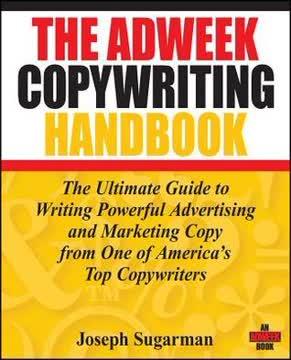
Get the complete 30-minute summary of The Adweek Copywriting Handbook
Get the complete summary in the appThe first sentence has one job: get the reader to read the second sentence.
Create a slippery slide that makes stopping feel harder than continuing.
Use seeds of curiosity at the end of paragraphs to pull readers forward.
Tap into psychological triggers like ownership, credibility, exclusivity, fear, hope, and curiosity.
Offer a satisfaction conviction so strong it makes readers think you must really believe in your product.
Never sell a product; always sell a concept.
"The Adweek Copywriting Handbook" is a strong fit if you want practical ideas around business, writing, communication, especially themes like the first sentence has one job: get the reader to read the second sentence; create a slippery slide that makes stopping feel harder than continuing. The MinuteRead summary distills these concepts into a focused read, whether you're deciding whether to buy the book or applying its lessons at work.
Joseph Sugarman is a renowned copywriter and entrepreneur who founded the successful mail-order business JS&A Group. He is best known for his innovative advertising techniques and ability to sell products through compelling copy. Sugarman's expertise in direct response marketing and his knack for creating engaging advertisements have earned him a legendary status in the advertising industry. His book, The Adweek Copywriting Handbook, distills decades of experience into practical advice for aspir…
View all summaries by Joseph SugarmanContinue Reading
Access the complete 30-minute summary and thousands more nonfiction books in the MinuteRead app.

Continue reading the complete summary in the MinuteRead app.






