 MinuteRead
30 min
Book summary
Premium summary · Opens in the app · 30 min read
Advertising surrounds us. It fills the gaps between songs, interrupts videos, lines streets, populates inboxes, and follows us across the internet. We encounter thousands of commercial messages every day. Most of them we ignore. A few we remember. A tiny fraction actually change what we do.
**Author:** Paul Feldwick **Estimated Reading Time:** 48 minutes
### What You'll Learn
Why most of what you believe about advertising is wrong. How the industry sold itself a rational myth while practicing something far stranger and more interesting. What actually happens in the minds of audiences when advertising works, and why the truth has been hiding in plain sight for over a century.
### Who This Book Is For
Anyone who has ever wondered why they bought something they did not need. Advertising professionals tired of pretending their work is a science. Marketers who suspect the models they were taught do not explain what actually works. And curious readers who want to understand one of the most pervasive and least understood forces shaping modern life.
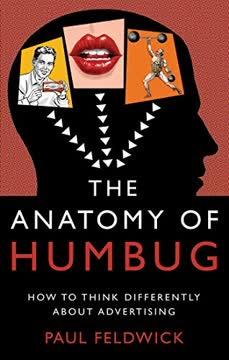
Advertising surrounds us. It fills the gaps between songs, interrupts videos, lines streets, populates inboxes, and follows us across the internet. We encounter thousands of commercial messages every day. Most of them we ignore. A few we remember. A tiny fraction actually change what we do. And yet, despite advertising's ubiquity, despite the trillions of dollars spent on it over the past century, despite the armies of clever people who devote their careers to creating it, we still do not agree on how it works. This is not a small problem. It is the central mystery of a global industry. Walk into any advertising agency and you will hear confident talk about strategy, targeting, messaging, and persuasion. You will see charts and models and research. You will hear words like "reason why" and "unique selling proposition" and "brand purpose." The whole apparatus suggests a rational, scientific discipline. But spend enough time in the industry and a different picture emerges. The campaigns that actually win awards and drive sales often violate every rule the textbooks teach. They make no logical argument. They communicate no unique benefit. Sometimes they barely mention the product at all. And yet they work. Paul Feldwick spent decades inside this contradiction. As a strategist and planner at major agencies, he saw the gap between what advertising people said they were doing and what they actually did. He watched brilliant creative work get rejected because it did not fit the rational model. He watched campaigns that followed every best practice fail quietly. And he began to wonder whether the industry's official theory of itself was fundamentally wrong. The Anatomy of Humbug is his answer. It is part history, part exposé, and part reclamation project. Feldwick argues that advertising has always worked through multiple channels, many of them non-rational, and that the industry's insistence on a narrow model of persuasion has done enormous damage. It has made advertising less effective, less interesting, and less…
Continue reading in the MinuteRead app
Get the complete 30-minute summary of The Anatomy of Humbug
Get the complete summary in the appAdvertising works through multiple mechanisms: rational persuasion, emotional association, and sheer familiarity. Most o
Simply making a brand famous and easy to recall drives sales. You do not always need a unique selling proposition or an
The rational persuasion model of advertising is not wrong, but it is radically incomplete. Treating it as the whole trut
Consistency is one of the most powerful and most neglected tools in advertising. The best campaigns often run for decade
All advertising communicates on a relationship level as well as a content level. How you speak matters as much as what y
The Unique Selling Proposition is rarely achievable and often leads to trivial or misleading claims. Many great brands h
"The Anatomy of Humbug" is a strong fit if you want practical ideas around business, psychology, buisness, especially themes like advertising works through multiple mechanisms: rational persuasion, emotional association, and sheer familiarity. most o; simply making a brand famous and easy to recall drives sales. you do not always need a unique selling proposition or an. The MinuteRead summary distills these concepts into a focused read, whether you're deciding whether to buy the book or applying its lessons at work.
Paul Feldwick is a respected figure in the advertising industry with decades of experience. He has worked as a strategist and planner for major agencies, developing expertise in brand strategy and communication effectiveness. Feldwick is known for his critical thinking and ability to challenge industry norms. He has written extensively on advertising theory and practice, with "The Anatomy of Humbug" being his most well-known work. Feldwick's approach combines historical analysis with practical i…
View all summaries by Paul FeldwickContinue Reading
Access the complete 30-minute summary and thousands more nonfiction books in the MinuteRead app.

Continue reading the complete summary in the MinuteRead app.






