MinuteRead
30 min
Book summary
Premium summary · Opens in the app · 30 min read
When a child receives an autism diagnosis, parents often describe the moment as a door swinging open onto a landscape they never expected to enter. The terrain is unfamiliar. The language is new. The decisions feel urgent and consequential. And everywhere they turn, they encounter conflicting advice, waiting lists, funding applications, and the quiet pressure of wanting to do the right thing for their child.
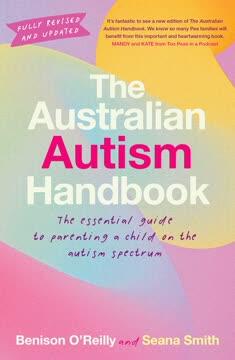
**Author:** Benison O'Reilly
**Estimated Reading Time:** 45 minutes
**What You'll Learn:**
- How autism is identified, diagnosed, and understood in Australia today - What early intervention looks like and why timing matters - How to navigate education, therapy, and support systems - The unique challenges facing girls with autism - How families can build resilience while supporting an autistic child - What the transition to adulthood involves and how to prepare
**Who This Book Is For:**
Parents who suspect their child may be autistic or have recently received a diagnosis. Grandparents, teachers, and allied health professionals who want to understand the family experience. Autistic adults seeking context for their own journey. Anyone who wants a grounded, compassionate, and practical understanding of autism in the Australian context.
When a child receives an autism diagnosis, parents often describe the moment as a door swinging open onto a landscape they never expected to enter. The terrain is unfamiliar. The language is new. The decisions feel urgent and consequential. And everywhere they turn, they encounter conflicting advice, waiting lists, funding applications, and the quiet pressure of wanting to do the right thing for their child. This book exists because that moment is disorienting, and because no parent should have to navigate it alone. Autism spectrum disorder is a neurological condition that shapes how a child communicates, connects, and experiences the world. It is not rare. Approximately one to two percent of the population is autistic, which means that in every school, every workplace, and every community, autistic people are living, learning, and contributing. Yet despite this prevalence, autism remains widely misunderstood. Parents often find themselves caught between outdated stereotypes and overly optimistic promises, between professionals who disagree and well-meaning relatives who offer unsolicited opinions. The problem is not a lack of information. The problem is that the information is scattered, contradictory, and often disconnected from the lived reality of families. Medical websites describe diagnostic criteria in clinical language. Online forums offer emotional support but inconsistent advice. Government websites explain funding schemes but not how to choose a therapist. What parents need is a coherent guide that walks with them through each stage of the journey, from the first flicker of concern to the long-term project of building an independent and fulfilling life. Benison O'Reilly wrote this handbook because she has walked this path herself. As the parent of a child with autism, she knows what it feels like to sit in a specialist's office and hear words that change everything. She knows the exhaustion of coordinating appointments, the frustration of waiting lists, and the quiet joy of watching a child master something that once seemed impossible. She also knows that Australian families face a…
Continue reading in the MinuteRead app
Get the complete 30-minute summary of The Australian Autism Handbook
Get the complete summary in the appAutism is a neurological difference that affects social communication and behavior. It is a spectrum, not a single prese
Early signs of autism can be detected in infancy. Trust your instincts and seek assessment if you have concerns.
Early intervention is crucial. The early years are a period of remarkable brain plasticity, and intervention during this
Diagnosis involves comprehensive assessment by qualified professionals. It is a process, not a single event.
Girls with autism often present differently and are often underdiagnosed. Look beyond surface-level social skills.
Co-occurring conditions are common. Identifying and treating these conditions is essential for comprehensive care.
"The Australian Autism Handbook" is a strong fit if you want practical ideas around parenting, especially themes like autism is a neurological difference that affects social communication and behavior. it is a spectrum, not a single prese; early signs of autism can be detected in infancy. trust your instincts and seek assessment if you have concerns. The MinuteRead summary distills these concepts into a focused read, whether you're deciding whether to buy the book or applying its lessons at work.
Benison O'Reilly is the author of The Australian Autism Handbook. As a parent of a child with autism, she has firsthand experience navigating the challenges and complexities of raising an autistic child. O'Reilly's motivation for writing the book stems from her personal journey and desire to support other parents in similar situations. She collaborated with another parent to create a comprehensive guide that covers various aspects of autism, from diagnosis to therapy options. O'Reilly's approach…
View all summaries by Benison O'ReillyContinue Reading
Access the complete 30-minute summary and thousands more nonfiction books in the MinuteRead app.

Continue reading the complete summary in the MinuteRead app.