MinuteRead
30 min
Book summary
by Liesl Clark
Premium summary · Opens in the app · 30 min read
Every year, Americans throw away millions of tons of usable goods. Furniture sits on curbs. Clothing fills landfills. Kitchen gadgets gather dust in cabinets while neighbors across the street buy the same items brand new. We live in an era of unprecedented material abundance, yet many of us feel disconnected, financially stretched, and buried under possessions we rarely use.
**Author:** Liesl Clark
**Estimated Reading Time:** 42 minutes
**What You'll Learn:**
- How to reduce your consumption without feeling deprived - The seven-step Buy Nothing method for transforming your relationship with possessions - How to build genuine community through giving, asking, and sharing - Practical ways to save money while strengthening local resilience - How to rethink waste and discover abundance in what you already have
**Who This Book Is For:**
Anyone who feels overwhelmed by clutter, concerned about environmental waste, tired of the endless cycle of earning and spending, or hungry for deeper connections with neighbors and community. This book is for people who suspect that the path to a richer life might involve buying less, not more.
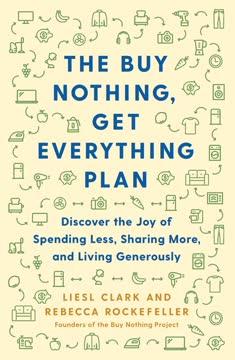
Every year, Americans throw away millions of tons of usable goods. Furniture sits on curbs. Clothing fills landfills. Kitchen gadgets gather dust in cabinets while neighbors across the street buy the same items brand new. We live in an era of unprecedented material abundance, yet many of us feel disconnected, financially stretched, and buried under possessions we rarely use. Liesl Clark noticed this paradox years ago while working as a filmmaker in the Himalayas. In remote mountain villages, she observed something remarkable. When someone needed a tool, a pot, or help with a task, they asked a neighbor. When someone had extra food or materials, they shared them freely. Nothing went to waste. Resources circulated through the community like water through a watershed. People owned less but seemed to have access to more. Returning to the United States, Clark saw the opposite pattern everywhere. Garages overflowed with duplicate tools. Kitchens held appliances used once a year. Storage units multiplied across the landscape. Meanwhile, people complained about money stress, loneliness, and the environmental crisis. The connection seemed obvious: our culture of individual ownership had created both material waste and social isolation. In 2013, Clark and her friend Rebecca Rockefeller started an experiment. They created a simple online group where neighbors could give away items they no longer needed and ask for things they did. They called it the Buy Nothing Project. The rules were simple: no buying, no selling, no trading, no bartering. Just giving, asking, and gratitude. The experiment spread rapidly. What began as a single group in Bainbridge Island, Washington, grew into a global movement with thousands of local groups and millions of participants. People discovered that buying nothing did not mean living with less. It meant living with more: more connection, more creativity, more resilience, and often more access to the things they actually needed. This book distills the philosophy and practice behind that movement into a practical plan. It is not about deprivation or sacrifice. It is about…
Continue reading in the MinuteRead app
Get the complete 30-minute summary of The Buy Nothing, Get Everything Plan
Get the complete summary in the appGive freely, without strings attached, for the pure joy of contributing to your community.
Ask for what you need without shame; your needs are valid and asking gives others the chance to be generous.
Reuse what exists and refuse what you do not need, especially single-use plastics.
Reflect before buying; pause and ask whether there is another way to meet the need.
Make and fix things to reduce dependency on purchased goods and build self-reliance.
Share, lend, and borrow to maximize the use of existing resources.
"The Buy Nothing, Get Everything Plan" is a strong fit if you want practical ideas around money & finance, self help, lifestyle, especially themes like give freely, without strings attached, for the pure joy of contributing to your community; ask for what you need without shame; your needs are valid and asking gives others the chance to be generous. The MinuteRead summary distills these concepts into a focused read, whether you're deciding whether to buy the book or applying its lessons at work.
Liesl Clark is an author and co-founder of the Buy Nothing Project, a movement promoting gift economies and community sharing. She developed the concept after observing similar practices in Himalayan communities. Clark's background includes work as a filmmaker and National Geographic contributor. Her book advocates for reducing consumption and building stronger local connections through giving and receiving. However, some reviewers criticize Clark for allegedly forcing Buy Nothing groups to divi…
View all summaries by Liesl ClarkContinue Reading
Access the complete 30-minute summary and thousands more nonfiction books in the MinuteRead app.

Continue reading the complete summary in the MinuteRead app.