MinuteRead
30 min
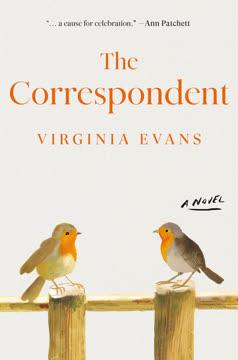
Sybil Van Antwerp is seventy-three years old when the story of her life begins to catch up with her. She is a retired chief clerk to a Maryland judge, a woman who spent nearly thirty years in the machinery of the law, and she has built her existence around a practice so steady it resembles ritual. Every Monday, Wednesday, Friday, and Saturday, she carries her tea to the same desk and sits before a stack of cream-colored letter-writing paper. She straightens the pens. She counts the stamps. She c
**By Virginia Evans**
**Estimated Reading Time:** 18 minutes
**What This Story Explores:** The quiet violence of grief, the strange intimacy of letters, the way we build identities out of paper and ink, and what happens when the self we have constructed begins to fail us.
**Who This Book Is For:** Readers who believe a handwritten letter can carry more weight than a spoken sentence. Anyone who has ever lost someone and kept the loss locked away. Those who understand that the most dramatic lives are often lived behind closed doors, at desks, with pens in hand.
Sybil Van Antwerp is seventy-three years old when the story of her life begins to catch up with her. She is a retired chief clerk to a Maryland judge, a woman who spent nearly thirty years in the machinery of the law, and she has built her existence around a practice so steady it resembles ritual. Every Monday, Wednesday, Friday, and Saturday, she carries her tea to the same desk and sits before a stack of cream-colored letter-writing paper. She straightens the pens. She counts the stamps. She consults the list of letters she means to write and the stack she has received but not yet answered. The letters are not a hobby. They are her manner of living. Virginia Evans has written an epistolary novel, but not the kind that feels like a gimmick. The letters here are not merely a narrative device. They are the central fact of Sybil's character, the medium through which she has learned to exist. She writes to her brother Felix in France, to authors she admires, to editors who have annoyed her, to a young boy named Harry who wandered into her life and never quite left. She writes letters she will never send. In a drawer of her desk lie pages addressed to someone called Colt, pages she has been writing for years, accumulating like sediment. What Evans understands, and what makes this novel so quietly devastating, is that a letter is always a performance and a confession at once. Sybil controls her correspondence with the precision of a legal clerk, but the unsent pages reveal what the sent ones conceal. She is a mother and grandmother, divorced, retired from a distinguished career. None of these identities anchor her the way the correspondence does. The novel opens with a car crash. Driving home from the library one evening, Sybil's vision blacks out. She hits a concrete wall. The Cadillac is destroyed. In the pages she writes but never sends to Colt, she admits the truth: her ophthalmologist has told her she has a degenerative condition that will steal her sight. She dreams of reaching for her…
Continue reading in the MinuteRead app
Get the complete 30-minute summary of The Correspondent
Get the complete summary in the appSybil Van Antwerp is seventy-three years old when the story of her life begins to catch up with her. She is a retired chief clerk to a Maryland judge, a woman who spent nearly thirty years in the machinery of the law, and she has built her
"The Correspondent" will resonate with readers drawn to book club, literary fiction, contemporary. Sybil Van Antwerp is seventy-three years old when the story of her life begins to catch up with her. She is a retired chief clerk to a Maryland judge, a woman who spent nearly thir… Our summary captures the core argument so you can learn the essentials before committing to the full book.
Virginia Evans is a debut author who has garnered significant acclaim for her first novel, The Correspondent. Her writing style is praised for its beauty, emotional depth, and ability to create vivid, complex characters. Evans has successfully crafted an epistolary novel that feels polished and mature, surprising many readers with its quality as a debut work. Her storytelling skills have been compared to established authors, and readers express excitement for her future works. Evans' ability to …
View all summaries by Virginia EvansContinue Reading
Access the complete 30-minute summary and thousands more nonfiction books in the MinuteRead app.

Continue reading the complete summary in the MinuteRead app.