MinuteRead
30 min
Book summary
by Marc Bekoff
Premium summary · Opens in the app · 30 min read
A magpie stands over the body of another magpie. One by one, other magpies arrive. Each bird approaches the body, pecks at it gently, then steps back. Some bring small blades of grass and lay them beside the dead bird. The group remains for a time, silent and still, before flying away. What were they doing? The scientist who observed this scene, a careful and skeptical researcher, could only describe it as a funeral.
**Author:** Marc Bekoff
**Estimated Reading Time:** 45 minutes
**What You'll Learn:** Why animals experience rich emotional lives that include joy, grief, love, embarrassment, and a sense of fairness. You will discover the scientific evidence supporting animal emotions, understand how play reveals a moral code in other species, and learn why recognizing animal sentience changes everything about how we treat the creatures with whom we share this planet.
**Who This Book Is For:** Anyone who has ever looked into the eyes of a dog, cat, horse, or wild animal and wondered what was happening behind them. This book is for pet owners, wildlife enthusiasts, scientists, students of animal behavior, and anyone willing to question the assumption that humans alone possess the capacity for deep emotional experience.
A magpie stands over the body of another magpie. One by one, other magpies arrive. Each bird approaches the body, pecks at it gently, then steps back. Some bring small blades of grass and lay them beside the dead bird. The group remains for a time, silent and still, before flying away. What were they doing? The scientist who observed this scene, a careful and skeptical researcher, could only describe it as a funeral. For centuries, science has drawn a hard line between humans and other animals. Humans have emotions. Humans have consciousness. Humans have rich inner lives. Animals, according to the dominant view, operate on instinct. They respond to stimuli. They do not feel. They merely behave. Marc Bekoff has spent more than five decades studying animal behavior, and he has reached a different conclusion. The evidence, he argues, has become overwhelming. Animals experience joy, grief, love, jealousy, embarrassment, and even a sense of fairness. The emotional lives of animals are not pale shadows of human feeling. They are complex, vivid, and deeply consequential. The problem is not a lack of evidence. The problem is that science has been reluctant to accept what so many people already know from living with animals. Anyone who has watched a dog greet a returning family member with uncontrollable excitement, or seen an elephant stand vigil over a dead companion, understands intuitively that animals feel. But intuition has been dismissed as unscientific. Bekoff challenges this dismissal directly. He argues that careful observation, combined with what we now know about brain structure and evolutionary history, makes the case for animal emotions far stronger than the case against them. The reluctance to accept animal emotions has real consequences. Billions of animals live in conditions that ignore their emotional needs entirely. Factory farms, research laboratories, and even some zoos operate on the assumption that animals do not suffer in any meaningful way. If that assumption is wrong, then a great deal…
Continue reading in the MinuteRead app
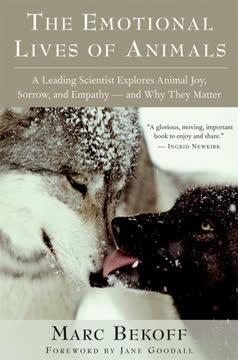
Get the complete 30-minute summary of The Emotional Lives of Animals
Get the complete summary in the appAnimals experience a wide range of emotions, including joy, grief, love, fear, and embarrassment. The evidence for this
The brain structures and neurochemicals involved in emotion are shared across species. The machinery of feeling is ancie
Play reveals that animals have a sense of fairness. They follow rules, self-handicap, and reconcile after conflicts. Pla
Grief in animals is real. Elephants, chimpanzees, magpies, and many other species show clear mourning behaviors when the
Critical anthropomorphism is a valid scientific tool. Using human experience as a starting point, while testing against
The precautionary principle should guide our treatment of animals. When we are uncertain whether a practice causes suffe
"The Emotional Lives of Animals" is a strong fit if you want practical ideas around animals, science, nature, especially themes like animals experience a wide range of emotions, including joy, grief, love, fear, and embarrassment. the evidence for this; the brain structures and neurochemicals involved in emotion are shared across species. the machinery of feeling is ancie. The MinuteRead summary distills these concepts into a focused read, whether you're deciding whether to buy the book or applying its lessons at work.
Marc Bekoff is a cognitive ethologist and author specializing in animal behavior and emotions. He has over 50 years of experience studying animal minds and has written numerous books on the subject. Bekoff is known for his advocacy of animal welfare and his work in challenging traditional scientific approaches to animal cognition. He argues for the recognition of complex emotions in animals and promotes more ethical treatment of animals in research and daily life. Bekoff's writings often blend s…
View all summaries by Marc BekoffContinue Reading
Access the complete 30-minute summary and thousands more nonfiction books in the MinuteRead app.

Continue reading the complete summary in the MinuteRead app.