 MinuteRead
30 min
Book summary
Premium summary · Opens in the app · 30 min read
For most of human history, economic value came from the ground. People extracted commodities: grain, ore, timber, livestock. These raw materials were fungible, meaning one bushel of wheat was essentially identical to another. Price was determined by supply and demand, and producers had almost no ability to differentiate themselves.
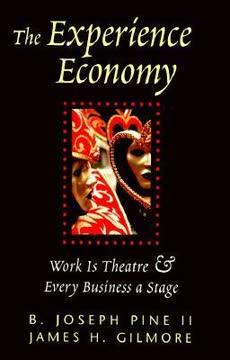
**Author:** B. Joseph Pine II and James H. Gilmore
**Estimated Reading Time:** 45 minutes
**What You'll Learn:**
- Why goods and services are no longer enough to sustain economic growth - How to stage memorable experiences that command premium prices - The four realms of experience and how to design within them - Why customization is the antidote to commoditization - How work itself becomes a form of theatre - Why transformations represent the ultimate economic offering
**Who This Book Is For:**
Business leaders who sense that competing on price is a losing game. Entrepreneurs seeking to differentiate their offerings. Managers who want to understand why some companies command loyalty while others fight for scraps. Anyone curious about how the economy is evolving and where the next opportunities will emerge.
For most of human history, economic value came from the ground. People extracted commodities: grain, ore, timber, livestock. These raw materials were fungible, meaning one bushel of wheat was essentially identical to another. Price was determined by supply and demand, and producers had almost no ability to differentiate themselves. Then came the industrial revolution, and with it, goods. Manufacturers took commodities and transformed them into tangible products: flour became packaged cake mix, ore became automobiles, timber became furniture. Goods commanded higher prices than commodities because they offered something more. They were differentiated, branded, and useful in ways raw materials could never be. The service economy followed. As manufacturing became commoditized, companies began wrapping their goods in intangible services: delivery, repair, financing, support. A car dealership didn't just sell you a vehicle; it offered financing, maintenance, and a warranty. Restaurants didn't just sell food; they provided table service and atmosphere. Services commanded higher prices than goods alone because they reduced customer effort and added convenience. But here is the problem. Services have now become commoditized too. Think about your own experiences as a consumer. When you call an airline to book a flight, does it matter which airline you call? When you need car insurance, do you genuinely care which company provides it, or do you simply compare prices online? When you stay at a mid-range hotel chain, can you honestly tell the difference between one brand and another? The answer, for most people, is no. Services have become as undifferentiated as the goods they once enhanced. The result is a brutal race to the bottom on price, with companies cutting costs, reducing quality, and squeezing employees in a desperate attempt to remain competitive. This is the problem B. Joseph Pine II and James H. Gilmore identified in their landmark book. The solution they proposed was radical at the time and has only become more relevant since: the next stage of…
Continue reading in the MinuteRead app
Get the complete 30-minute summary of The Experience Economy
Get the complete summary in the appEconomic value progresses through five stages: commodities, goods, services, experiences, and transformations.
Each stage offers an opportunity for premium pricing until it becomes commoditized.
To escape commoditization, move up the value ladder.
Experiences are memorable events that engage customers personally.
The four realms of experience are entertainment, educational, escapist, and esthetic.
The richest experiences incorporate elements from all four realms.
"The Experience Economy" is a strong fit if you want practical ideas around business, design, economics, especially themes like economic value progresses through five stages: commodities, goods, services, experiences, and transformations; each stage offers an opportunity for premium pricing until it becomes commoditized. The MinuteRead summary distills these concepts into a focused read, whether you're deciding whether to buy the book or applying its lessons at work.
B. Joseph Pine II is a management advisor and author specializing in customer experience and business strategy. He co-founded Strategic Horizons LLP, a thinking studio that helps businesses create value through innovative experiences. B. Joseph Pine II is known for developing the concept of the Experience Economy, which argues that businesses must create memorable events for customers. He has written several books on this topic and related business strategies. Pine frequently speaks at conferenc…
View all summaries by James H. GilmoreContinue Reading
Access the complete 30-minute summary and thousands more nonfiction books in the MinuteRead app.

Continue reading the complete summary in the MinuteRead app.






