MinuteRead
30 min
Book summary
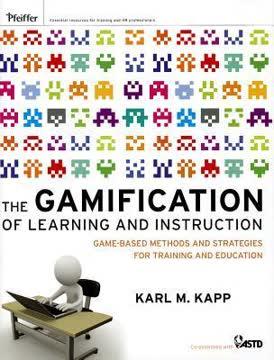
by Karl M. Kapp
Premium summary · Opens in the app · 30 min read
Every year, organizations spend billions of dollars on training programs that fail to produce lasting results. Employees sit through mandatory sessions, complete e-learning modules with glazed expressions, and click through compliance training as quickly as possible. Students memorize facts for tests and forget them within weeks. The fundamental problem is not that people lack the capacity to learn. The problem is that most learning experiences fail to engage the very human drives that make us w
**Author:** Karl M. Kapp
**Estimated Reading Time:** 45 minutes
**What You'll Learn:**
- Why games captivate attention and how to harness that power for learning - The psychological foundations that make gamification effective - How to design learning experiences that people genuinely want to complete - The difference between superficial points-and-badges approaches and meaningful gamification - Practical frameworks for applying game elements to any learning context
**Who This Book Is For:**
This book is for learning professionals, instructional designers, educators, trainers, and anyone responsible for helping others acquire new skills and knowledge. If you have ever struggled to keep learners engaged, wondered why traditional training fails to stick, or been curious about how games can transform education, this condensed edition will give you both the theoretical foundation and practical tools you need.
Every year, organizations spend billions of dollars on training programs that fail to produce lasting results. Employees sit through mandatory sessions, complete e-learning modules with glazed expressions, and click through compliance training as quickly as possible. Students memorize facts for tests and forget them within weeks. The fundamental problem is not that people lack the capacity to learn. The problem is that most learning experiences fail to engage the very human drives that make us want to learn in the first place. Meanwhile, the same people who cannot stay awake during a training session will spend hours mastering complex game systems. They will learn intricate rules, develop sophisticated strategies, collaborate with teammates, and persist through repeated failures. They will voluntarily invest enormous cognitive effort into activities that are, by any objective measure, quite difficult. A player learning to navigate a complex strategy game is engaging in serious intellectual work. A team coordinating a raid in an online game is practicing communication, planning, and execution under pressure. Yet these same individuals often describe themselves as unmotivated learners. Karl Kapp recognized this paradox and spent years researching what makes games so compelling. His conclusion is both simple and profound: games work because they are designed to work with human psychology rather than against it. They provide clear goals, immediate feedback, meaningful choices, and a sense of progress. They create safe spaces for experimentation and failure. They tap into our natural desires for mastery, autonomy, and social connection. Traditional instruction, by contrast, often ignores these fundamental drives entirely. The term gamification emerged to describe the application of game elements to non-game contexts. But Kapp is careful to distinguish between superficial gamification and meaningful gamification. Adding points and badges to a boring training program does not make it engaging. It simply makes it a boring training program with points and badges. True gamification requires understanding why games motivate people and then applying…
Continue reading in the MinuteRead app
Get the complete 30-minute summary of The Gamification of Learning and Instruction
Get the complete summary in the appGamification is using game elements and game thinking to engage people, motivate action, promote learning, and solve pro
The goal of gamification is engagement that leads to learning, not entertainment.
Games satisfy basic psychological needs for autonomy, competence, and relatedness, which fosters intrinsic motivation.
Immediate, specific, actionable feedback is one of the most powerful tools for learning.
Different learners are motivated by different things. Provide multiple paths to engagement.
Extrinsic rewards can undermine intrinsic motivation when overused. Make the learning itself rewarding.
"The Gamification of Learning and Instruction" is a strong fit if you want practical ideas around education, game design, teaching, especially themes like gamification is using game elements and game thinking to engage people, motivate action, promote learning, and solve pro; the goal of gamification is engagement that leads to learning, not entertainment. The MinuteRead summary distills these concepts into a focused read, whether you're deciding whether to buy the book or applying its lessons at work.
Karl M. Kapp is an expert in gamification and instructional design. Karl M. Kapp is known for his work on integrating game-based strategies into learning and instruction. He has authored several books on the subject and is recognized for his research-backed approach to gamification. Kapp's work often focuses on the intersection of technology, games, and education. He draws upon various theories of motivation and learning to support his ideas on gamification. Kapp's expertise is particularly valu…
View all summaries by Karl M. KappContinue Reading
Access the complete 30-minute summary and thousands more nonfiction books in the MinuteRead app.

Continue reading the complete summary in the MinuteRead app.