 MinuteRead
30 min
Book summary
Premium summary · Opens in the app · 30 min read
Every day, the average person encounters thousands of commercial messages. Advertisements interrupt their videos, logos compete for attention on every surface, and products promise to transform their lives. Most of these messages vanish without a trace. They are ignored, skipped, or forgotten within seconds.
**Author:** Margaret Mark with Carol S. Pearson
**Estimated Reading Time:** 45 minutes
**What You'll Learn:** How to build an unforgettable brand by tapping into the deepest patterns of human meaning, the twelve archetypes that shape every great story, and the practical framework for discovering and expressing your brand's authentic identity.
**Who This Book Is For:** Marketers, brand builders, entrepreneurs, and leaders who want to move beyond features and benefits to create brands that people genuinely care about.
Every day, the average person encounters thousands of commercial messages. Advertisements interrupt their videos, logos compete for attention on every surface, and products promise to transform their lives. Most of these messages vanish without a trace. They are ignored, skipped, or forgotten within seconds. Yet a handful of brands manage something remarkable. They become part of how people see themselves. They inspire loyalty that borders on devotion. They survive economic downturns, competitive threats, and changing cultural tastes. Think of Harley-Davidson riders who tattoo the company logo on their bodies. Think of Apple customers who line up overnight for a new phone. Think of Nike's swoosh, which communicates more in a single glance than most companies manage in a hundred pages of marketing copy. What do these brands understand that others do not? The answer, according to Margaret Mark and Carol Pearson, is not better advertising. It is not bigger budgets or cleverer slogans. The answer is meaning. These brands have tapped into something ancient and universal, something that resides in the deepest structures of the human mind. They have aligned themselves with archetypes. Archetypes are the recurring patterns of character and story that appear in every culture, in every era, in every form of human expression. The hero who overcomes impossible odds. The caregiver who nurtures and protects. The outlaw who breaks the rules. The sage who seeks truth. These figures appear in ancient myths, in fairy tales, in religious traditions, and in the stories we tell about our own lives. They are not inventions of any particular time or place. They are, as the authors put it, the software of the psyche. This insight changes everything about how we think about brands. A brand is not merely a product, a logo, or a set of features. A brand, at its most powerful, is a story. It is a character in the ongoing narrative of a customer's life. When someone buys a Jeep, they are not just purchasing a vehicle. They are claiming membership in the story of the Explorer, the person who seeks freedom and adventure beyond the horizon. When someone chooses Johnson & Johnson products for their baby, they are not just selecting a brand. They are aligning themselves with the…
Continue reading in the MinuteRead app
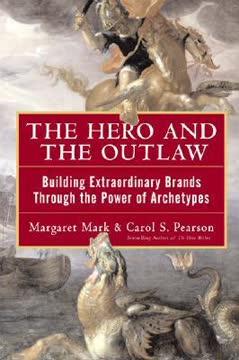
Get the complete 30-minute summary of The Hero and the Outlaw
Get the complete summary in the appArchetypes are universal patterns of meaning that shape how humans understand the world and their place in it.
The most successful brands embody a single, clear archetype rather than trying to be everything to everyone.
The twelve archetypes are Innocent, Explorer, Sage, Hero, Outlaw, Magician, Regular Guy or Gal, Lover, Jester, Caregiver
Finding your brand's archetype requires deep investigation using the five-step process: brand soul, brand substance, com
Category essence shapes customer expectations. Brands can align with it or differentiate from it, but they cannot ignore
Stories are the fundamental way humans make sense of the world. Brands that tell archetypal stories create emotional con
"The Hero and the Outlaw" is a strong fit if you want practical ideas around business, psychology, design, especially themes like archetypes are universal patterns of meaning that shape how humans understand the world and their place in it; the most successful brands embody a single, clear archetype rather than trying to be everything to everyone. The MinuteRead summary distills these concepts into a focused read, whether you're deciding whether to buy the book or applying its lessons at work.
Margaret Mark is an accomplished author and marketing expert known for her work on brand archetypes. While specific biographical information is limited in the given content, her book "The Hero and the Outlaw" has made a significant impact in the field of marketing and brand building. Co-authored with Carol S. Pearson, the book explores the power of archetypal stories in creating meaningful brand communications. Mark's work is widely respected and has influenced marketing professionals, entrepren…
View all summaries by Margaret MarkContinue Reading
Access the complete 30-minute summary and thousands more nonfiction books in the MinuteRead app.

Continue reading the complete summary in the MinuteRead app.






