MinuteRead
30 min
Book summary
by Robin Sharma
Premium summary · Opens in the app · 30 min read
Most people spend their entire careers waiting. They wait for the promotion. They wait for the corner office. They wait for someone to recognize their potential and hand them permission to lead. This waiting is the quiet tragedy of modern work life. It keeps talented people small, organizations stagnant, and meaningful contributions locked away inside people who never felt authorized to share them.
**Author:** Robin Sharma
**Estimated Reading Time:** 45 minutes
**What You'll Learn:**
- Why leadership has nothing to do with your position and everything to do with your mindset - The four leadership principles that transform ordinary work into extraordinary contribution - How turbulent times become your greatest opportunity to lead - Practical daily habits that build leadership from the inside out - Why personal mastery always precedes professional influence
**Who This Book Is For:**
Anyone who has ever felt stuck in a role that seemed too small for their ambitions. Anyone who has waited for a promotion, a title, or permission to make a difference. Anyone who suspects that real leadership is not about the corner office but about the choices you make in the ordinary moments of your workday.
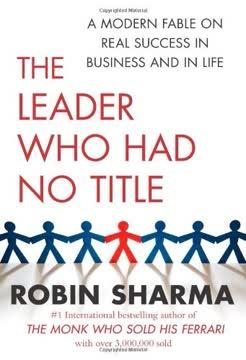
Most people spend their entire careers waiting. They wait for the promotion. They wait for the corner office. They wait for someone to recognize their potential and hand them permission to lead. This waiting is the quiet tragedy of modern work life. It keeps talented people small, organizations stagnant, and meaningful contributions locked away inside people who never felt authorized to share them. Robin Sharma wrote The Leader Who Had No Title to dismantle this waiting game. The book opens with a simple but radical premise: leadership is not a position. It is a way of being. You do not need a title to lead. You need a decision. The problem Sharma addresses is pervasive. In organizations everywhere, people confuse authority with leadership. They believe that influence flows downward from titles and org charts. They assume that if they are not the manager, the director, or the vice president, their job is simply to follow instructions and keep their heads down. This belief creates a culture of passivity. People disengage. They do the minimum. They save their best ideas for some future role they may never hold. The cost of this confusion is enormous. Organizations lose the creativity, initiative, and energy of the vast majority of their people. Individuals lose the satisfaction of meaningful work. And the world loses the contributions that ordinary people could have made if only they had understood that leadership was available to them all along. Sharma's approach is different because he does not offer a theoretical framework or a set of management techniques. He tells a story. The book follows Blake DiFranco, a man who once loved his work but has become disillusioned and disengaged. Blake is a former soldier who now works in a bookshop, and he feels that his life has shrunk. He is doing work that feels beneath him, waiting for something better to arrive. Then Blake meets Tommy Flinn, a mysterious…
Continue reading in the MinuteRead app
Get the complete 30-minute summary of The Leader Who Had No Title
Get the complete summary in the appLeadership is not a title. It is a decision you make every day.
Turbulent times are opportunities for growth, not threats to avoid.
Deep relationships are the foundation of strong leadership.
Personal growth is the prerequisite for leading others.
Excellence is a habit you build through consistent practice.
Innovation is everyone's job, regardless of position.
"The Leader Who Had No Title" is a strong fit if you want practical ideas around leadership, business, self help, especially themes like leadership is not a title. it is a decision you make every day; turbulent times are opportunities for growth, not threats to avoid. The MinuteRead summary distills these concepts into a focused read, whether you're deciding whether to buy the book or applying its lessons at work.
Robin Sharma is a renowned leadership expert and bestselling author. His works focus on personal development, life management, and leadership principles. Sharma's most famous book, "The Monk Who Sold His Ferrari," along with his other titles, have gained international recognition. He is a sought-after keynote speaker for major corporations worldwide, including Microsoft, IBM, and General Motors. Sharma's approach combines Eastern philosophy with Western success principles, aiming to help individ…
View all summaries by Robin SharmaContinue Reading
Access the complete 30-minute summary and thousands more nonfiction books in the MinuteRead app.

Continue reading the complete summary in the MinuteRead app.