MinuteRead
30 min
Book summary
Premium summary · Opens in the app · 30 min read
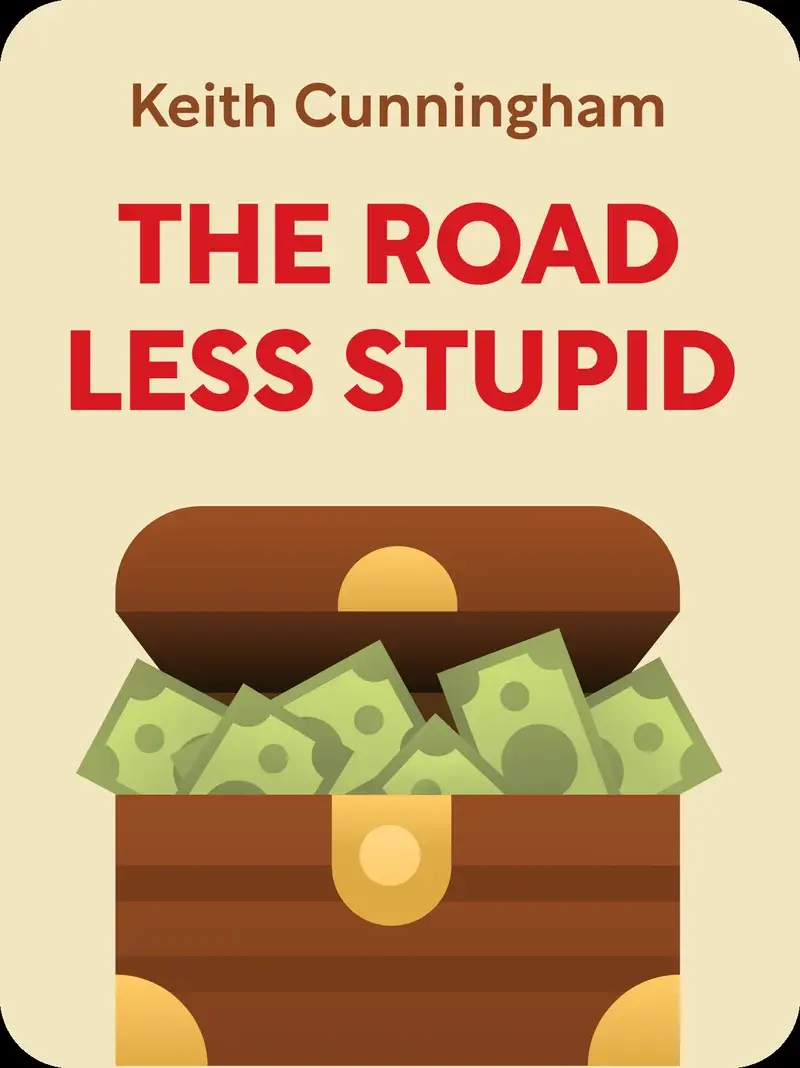
Keith Cunningham has built businesses, bought companies, lost fortunes, and rebuilt them again. He has spent decades in boardrooms, on factory floors, and in bankruptcy courts. He has advised CEOs, invested in startups, and watched smart people torch millions of dollars through decisions that seemed brilliant at the time.
**Author:** Keith J. Cunningham
**Estimated Reading Time:** 45 minutes
**What You'll Learn:**
* Why smart people make expensive mistakes and how to stop * The five thinking disciplines that prevent costly errors * How to ask questions that reveal what you're missing * Why most businesses die from indigestion, not starvation * How to build a business that creates lasting value * The difference between success and fulfillment
**Who This Book Is For:**
Business owners who feel stretched thin. Investors who have been burned by their own optimism. Leaders who want better decisions from their teams. Anyone who suspects their biggest obstacle is not a lack of intelligence but a surplus of impulsiveness.
Keith Cunningham has built businesses, bought companies, lost fortunes, and rebuilt them again. He has spent decades in boardrooms, on factory floors, and in bankruptcy courts. He has advised CEOs, invested in startups, and watched smart people torch millions of dollars through decisions that seemed brilliant at the time. Somewhere along the way, he noticed a pattern. The people who lost money were rarely stupid. They had MBAs, track records, and confidence. They had spreadsheets and forecasts and compelling pitches. What they lacked was not intelligence. What they lacked was a reliable way to think before they acted. The Road Less Stupid is built on a simple observation: the key to getting rich and staying that way is not doing more smart things. It is doing fewer dumb things. The problem is that dumb things often look smart in the moment. They feel exciting. They come wrapped in optimism and urgency. They are endorsed by people we trust. And they cost us dearly. Cunningham calls this cost the "dumb tax." It is the price you pay for decisions made without adequate thinking. It shows up as bad hires, failed expansions, broken partnerships, ill-timed investments, and businesses that collapse under the weight of their own ambition. The dumb tax is rarely obvious at the moment of decision. It reveals itself later, often in the form of a crisis that could have been avoided. This book exists because most business failures are not caused by external forces. They are caused by internal blind spots. They are caused by leaders who confuse activity with progress, revenue with profit, and confidence with competence. They are caused by people who never learned to sit still and think. Cunningham's approach is different because it does not promise a new formula for success. It offers something more valuable: a discipline for avoiding failure. He argues that if you can eliminate the mistakes that kill businesses, what remains is a reasonable chance at success. You do not need to be a genius. You need to…
Continue reading in the MinuteRead app
Get the complete 30-minute summary of The Road Less Stupid
Get the complete summary in the app**Avoid the dumb tax.** The key to wealth is not more smart decisions. It is fewer stupid ones. Think before you act.
**Schedule Thinking Time.** Protect one hour per week for focused reflection. Ask hard questions about your business and
**Use the five thinking disciplines.** Find the unasked question. Separate the problem from the symptom. Check assumptio
**Build culture intentionally.** Define the rules of the game. Communicate them clearly. Enforce them consistently.
**Optimize before you scale.** Most businesses die of indigestion, not starvation. Fix the foundation before adding floo
**Manage causes, not effects.** Identify your critical drivers. Measure them. Manage them. The results will follow.
"The Road Less Stupid" is a strong fit if you want practical ideas around business, leadership, self help, especially themes like **avoid the dumb tax.** the key to wealth is not more smart decisions. it is fewer stupid ones. think before you act; **schedule thinking time.** protect one hour per week for focused reflection. ask hard questions about your business and. The MinuteRead summary distills these concepts into a focused read, whether you're deciding whether to buy the book or applying its lessons at work.
Keith J. Cunningham is a Texas-based entrepreneur and business consultant with over 40 years of experience. He has built and lost fortunes, learning valuable lessons along the way. Cunningham is known for his straightforward, no-nonsense approach to business advice. He emphasizes the importance of critical thinking and avoiding costly mistakes. Cunningham's teaching style combines practical wisdom with humor, often using Texas-style anecdotes to illustrate his points. He is a sought-after speake…
View all summaries by Keith J. CunninghamContinue Reading
Access the complete 30-minute summary and thousands more nonfiction books in the MinuteRead app.

Continue reading the complete summary in the MinuteRead app.