MinuteRead
5 min
Book summary
Premium summary · Opens in the app · 5 min read
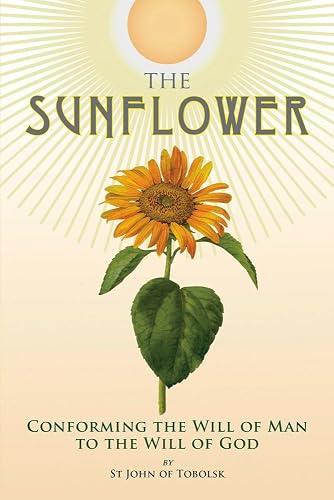
The Sunflower recounts an experience of holocaust survivor Simon Wiesenthal, in which he had to make a tough choice about whether to forgive or not, and explores over 50 different perspectives on forgiveness from people with various religious, cultural and ethnic backgrounds.
The Sunflower recounts an experience of holocaust survivor Simon Wiesenthal, in which he had to make a tough choice about whether to forgive or not, and explores over 50 different perspectives on forgiveness from people with various religious, cultural and ethnic backgrounds.
Imagine your girl- or boyfriend cheated on you. You break up with them when you find out, because you think cheating is a no-go. However, there are still two ways you can play the breakup:
Forgive them, move on with your life and stay good, if not close friends. Tell them to f**k off and that you never want to see them again.
Think about your closest three friends. Which of the two options would they point out to you, if you asked them for advice?
Those who would tell you option two is the right choice would probably base their arguments on one of two things: religion and/or our freedom to choose.
For example, in Judaism, God forgives only those, who have been forgiven by the victim of their spiteful actions. However, this automatically infers there’s no way murder can ever be forgiven by God (because the victim is dead and thus can’t forgive the murderer). So within some religions, there are some cases, in which forgiveness is not an option by definition.
Second, in the case of Karl Seidl, the Nazi soldier who asked Wiesenthal for forgiveness for participating in a killing of over 300 Jews, he chose to follow the orders he’d gotten – which he could’ve disobeyed (and likely not even be severely punished for it).
Thinking that your partner was fully aware of the consequences of their actions, and still chose to cheat, can make it very tough to forgive them…
…but then there’s the other side. There are also several strong arguments for forgiveness. For example that not all people are equally responsible in different situations. Seidl, for example, was mostly following orders, not giving them, which is still bad, but not as horrible as the plans Nazi puppet masters thought of and then told others to execute. Another good reason to forgive your unfaithful ex-partner in crime is that forgiving and forgetting are two different things. Just because you forgive them, does not mean you automatically have to pretend nothing ever happened. But the biggest reason to forgive, by far, is that it doesn’t just heal the person who’s forgiven, but also the forgiver. If someone really shows regret and true guilt, how else can you possibly transform their misery into something positive? Not just that, forgiving is also the only way to let go of your own anger, hate and resentment. Otherwise, you’ll just hold on to it forever, and…
Continue reading in the MinuteRead app
Get the complete 5-minute summary of The Sunflower
Get the complete summary in the appArguments against forgiveness are backed by religion and our freedom to make choices.
The best pro argument for forgiveness is that it heals both the forgiver and the forgiven.
There is no one-size-fits-all-forgiveness attitude, so you have to keep asking yourself questions about it.
"The Sunflower" is a strong fit if you want practical ideas around communication skills, culture, happiness, especially themes like arguments against forgiveness are backed by religion and our freedom to make choices; the best pro argument for forgiveness is that it heals both the forgiver and the forgiven. The MinuteRead summary distills these concepts into a focused read, whether you're deciding whether to buy the book or applying its lessons at work.
Motivated to help readers with the moral ethics of the decisions he made, Simon Wiesenthal wrote “The Sunflower” as a practical guide drawn from years of experience and research. In “The Sunflower”, Simon Wiesenthal focuses on the Sunflower recounts an experience of holocaust survivor Simon Wiesenthal. Through “The Sunflower”, Simon Wiesenthal distills the core ideas on communication skills into lessons readers can absorb in a single short sitting. Readers turn to this work when they want Simon …
View all summaries by Simon WiesenthalContinue Reading
Access the complete 5-minute summary and thousands more nonfiction books in the MinuteRead app.

Continue reading the complete summary in the MinuteRead app.