MinuteRead
30 min
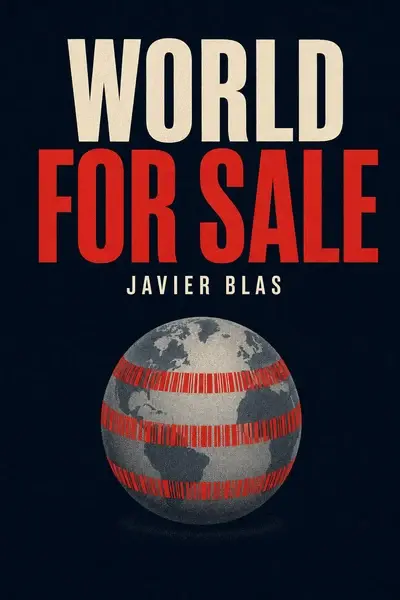
Book summary
by Javier Blas
Premium summary · Opens in the app · 30 min read
Every morning, you participate in a global system that almost nobody understands. The coffee you drink traveled thousands of miles to reach your cup. The fuel in your car was extracted from a well in one country, refined in another, and shipped across an ocean before reaching your local station. The copper in your phone was mined in the Andes, smelted in Asia, and traded through intermediaries you have never heard of.
**Author:** Javier Blas and Jack Farchy
**Estimated Reading Time:** 45 minutes
**What You'll Learn:** How a handful of secretive trading houses came to control the flow of the world's most vital resources, and why their power shapes everything from the price of your morning coffee to the fate of nations.
**Who This Book Is For:** Anyone curious about how the global economy actually works, readers interested in the hidden forces behind geopolitics, and those who want to understand the real story behind the commodities that power modern life.
Every morning, you participate in a global system that almost nobody understands. The coffee you drink traveled thousands of miles to reach your cup. The fuel in your car was extracted from a well in one country, refined in another, and shipped across an ocean before reaching your local station. The copper in your phone was mined in the Andes, smelted in Asia, and traded through intermediaries you have never heard of. Behind each of these journeys stands a small group of companies that most people cannot name. They are not household brands like Shell or ExxonMobil. They do not operate gas stations or sell products to consumers. Yet they control a staggering share of the world's most important resources. These are the commodity traders. Companies like Vitol, Glencore, Trafigura, and Cargill move the raw materials that keep civilization running. Vitol alone trades enough oil every day to supply the combined needs of Germany, France, and Spain. Glencore is one of the largest producers of copper, zinc, and thermal coal on the planet. Cargill moves enough grain to feed hundreds of millions of people. Yet for most of their history, these companies operated in almost complete obscurity. They were privately held, headquartered in low-profile locations like the Swiss town of Baar, and staffed by people who actively avoided attention. Their executives did not give interviews. Their offices did not display company signs. Their employees were instructed to never discuss their work. This secrecy was not an accident. It was a business strategy. The commodity trading industry exists in the gaps between markets, the spaces where normal rules do not apply. Traders make money by buying resources from places that are difficult to do business with and selling them to places that need them. They operate in war zones, under sanctions regimes, and in countries where corruption is endemic. They deal with dictators and democrats, with rebel groups and multinational corporations, with anyone who has resources to sell or needs resources to buy. This book tells their story. It is a story that begins in the chaotic aftermath of World War II, when a handful of ambitious men realized that the global economy…
Continue reading in the MinuteRead app
Get the complete 30-minute summary of The World for Sale
Get the complete summary in the appCommodity traders are the hidden intermediaries who connect the world's resources with the world's needs, handling vast
The industry was built by risk-takers who were willing to operate in places that others avoided, from revolutionary Iran
Information is the key to success in commodity trading. Those who know more than their competitors earn higher profits.
The traders have consistently profited from political chaos, turning upheavals into opportunities.
China's economic boom was the greatest single event in the industry's history, creating unprecedented profits and transf
Glencore's IPO in 2011 marked the end of the industry's era of secrecy, bringing unprecedented scrutiny and accountabili
"The World for Sale" is a strong fit if you want practical ideas around economics, business, finance, especially themes like commodity traders are the hidden intermediaries who connect the world's resources with the world's needs, handling vast; the industry was built by risk-takers who were willing to operate in places that others avoided, from revolutionary iran. The MinuteRead summary distills these concepts into a focused read, whether you're deciding whether to buy the book or applying its lessons at work.
Javier Blas and Jack Farchy are seasoned financial journalists with extensive experience covering commodities and energy markets. Blas, formerly with the Financial Times, is now the chief energy correspondent at Bloomberg News. Farchy, also a former Financial Times reporter, is a senior reporter at Bloomberg News focusing on commodities. Their backgrounds in financial journalism and specific expertise in commodity markets uniquely positioned them to write this comprehensive account of the commod…
View all summaries by Javier BlasContinue Reading
Access the complete 30-minute summary and thousands more nonfiction books in the MinuteRead app.

Continue reading the complete summary in the MinuteRead app.