MinuteRead
30 min
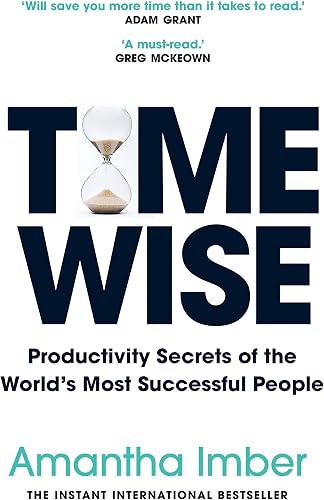
Book summary
by Dr Amantha Imber
Premium summary · Opens in the app · 30 min read
The modern worker faces a strange paradox. We have more productivity tools than any generation in history. Our calendars sync across devices. Our task managers send reminders. Our communication platforms promise seamless collaboration. Yet the average knowledge worker reports feeling more overwhelmed, more distracted, and more behind than ever before.
**Author:** Dr Amantha Imber **Estimated Reading Time:** 45 minutes
**What You'll Learn:** - Why goals keep you trapped in a state of failure and what to do instead - How to make better decisions about what deserves your time - How to align your work with your biology rather than fighting it - How to break free from digital distraction without relying on willpower - How to get honest feedback that actually improves your work - How to build systems that make productivity automatic
**Who This Book Is For:** Anyone who feels perpetually busy but not productive. Anyone who says yes too often and regrets it later. Anyone who suspects their calendar, their phone, and their own habits are conspiring against their best intentions. If you have ever wondered why time management advice fails you, this book offers a different path.
The central argument of this book is that sustainable productivity comes from designing systems that align with human psychology, not from setting ambitious goals and grinding toward them with sheer willpower. This idea runs through every chapter, connecting strategies that might otherwise seem unrelated. Consider the traditional approach to productivity. You set a goal. You break it into steps. You motivate yourself to execute those steps. You track your progress. You celebrate when you hit the target. This approach feels intuitive. It is how we are taught to achieve things from childhood. But it contains a hidden flaw. A goal, by definition, is a future state that you have not yet achieved. Until you hit it, you are failing. Every day you work toward a goal is a day you have not yet succeeded. This creates a subtle but persistent sense of inadequacy. You are always behind. You are always not quite there. The goal, which was supposed to motivate you, becomes a source of chronic dissatisfaction. Systems flip this dynamic. A system is something you do every day, regardless of the outcome. It is a process, not a destination. When you commit to a system, you can succeed every single day. You can experience the satisfaction of completion regularly, which fuels continued motivation. The end result arrives as a natural consequence of the system, but you are not waiting for it to feel successful. This distinction explains why so many people abandon their goals. They set a goal to write a book, to lose weight, to learn a language. They work hard for a few weeks. Then the gap between where they are and where they want to be starts to feel insurmountable. The daily experience of failure wears them down. They quit, not because they lack discipline, but because the goal structure itself is demotivating. The systems…
Continue reading in the MinuteRead app
Get the complete 30-minute summary of Time Wise
Get the complete summary in the appReplace goals with daily systems so failure becomes impossible and wins become daily.
Map the full iceberg before saying yes to any commitment. The hidden mass is always larger than the tip.
Ask yourself if you would accept the commitment if it were next Tuesday. If not, decline.
Create heuristics for generosity. Decide who you help and how, before the requests arrive.
Identify your chronotype and schedule deep work during your peak window.
Stop work mid-sentence so tomorrow starts itself.
"Time Wise" is a strong fit if you want practical ideas around productivity, self help, business, especially themes like replace goals with daily systems so failure becomes impossible and wins become daily; map the full iceberg before saying yes to any commitment. the hidden mass is always larger than the tip. The MinuteRead summary distills these concepts into a focused read, whether you're deciding whether to buy the book or applying its lessons at work.
Motivated to turn hard-won expertise into something readers can use every day, Dr Amantha Imber wrote “Time Wise” to distill the ideas behind the work into clear, actionable lessons. Through “Time Wise”, Dr Amantha Imber distills the core ideas on productivity into lessons readers can absorb in a single short sitting. Readers turn to this work when they want Dr Amantha Imber's perspective on the subject without working through the entire original volume. The book is structured so each chapter hi…
Continue Reading
Access the complete 30-minute summary and thousands more nonfiction books in the MinuteRead app.

Continue reading the complete summary in the MinuteRead app.