 MinuteRead
30 min
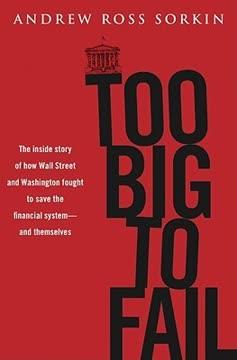
In the autumn of 2008, the global financial system came closer to complete collapse than at any moment since the Great Depression. In a matter of weeks, institutions that had stood for more than a century vanished. Trillions of dollars in wealth evaporated. The credit markets, the circulatory system of modern capitalism, simply stopped functioning. It was not a natural disaster. It was not an act of war. It was a catastrophe manufactured by human beings in suits and ties, working in glass towers
**Author:** Andrew Ross Sorkin **Estimated Reading Time:** 45 minutes **What You'll Learn:** The inside story of the 2008 financial crisis, the key players who shaped it, the decisions that saved and doomed institutions, and the systemic vulnerabilities that brought the global economy to its knees. **Who This Book Is For:** Anyone who wants to understand how Wall Street nearly destroyed itself and the world economy, professionals seeking lessons about risk and leadership, and readers fascinated by the intersection of power, money, and human fallibility.
In the autumn of 2008, the global financial system came closer to complete collapse than at any moment since the Great Depression. In a matter of weeks, institutions that had stood for more than a century vanished. Trillions of dollars in wealth evaporated. The credit markets, the circulatory system of modern capitalism, simply stopped functioning. It was not a natural disaster. It was not an act of war. It was a catastrophe manufactured by human beings in suits and ties, working in glass towers in Manhattan, London, and Washington. Andrew Ross Sorkin's "Too Big to Fail" is the definitive chronicle of those terrifying months. But it is far more than a timeline of events. Sorkin takes readers inside the rooms where the fate of the world economy was decided. We sit with CEOs as they learn their firms are hours from collapse. We listen to regulators as they weigh impossible choices. We watch as rivalries, egos, panic, and occasional moments of courage shape outcomes that affected hundreds of millions of people. The book addresses a problem that remains urgent. The financial system is built on trust. When trust evaporates, the machinery seizes. In 2008, trust vanished because the system had become so complex, so interconnected, and so opaque that no one, not the CEOs, not the regulators, not the rating agencies, truly understood the risks embedded within it. When those risks began to surface, the interconnectedness meant that failure anywhere threatened failure everywhere. Why do people struggle to understand this crisis? Because the surface explanations are misleading. It was not simply about greedy bankers, though greed played a role. It was not simply about deregulation, though that contributed. It was about a system that evolved faster than anyone's ability to comprehend it. It was about incentives that rewarded short-term risk-taking while hiding long-term dangers. It was about human beings under unimaginable pressure making decisions with incomplete information and catastrophic consequences. Sorkin's approach is different because he does not lecture from a distance. He reconstructs the crisis as a narrative, drawing on more than 200 interviews with the actual participants. He shows us the crisis as they experienced it: the sleepless nights, the desperate phone calls, the…
Continue reading in the MinuteRead app
Get the complete 30-minute summary of Too Big to Fail
Get the complete summary in the appThe 2008 financial crisis was caused by excessive leverage, opaque financial instruments, and a housing bubble that ever
When confidence evaporates, financial institutions can collapse in days, not months. Liquidity is far more fragile than
The interconnectedness of the financial system means that the failure of one major institution threatens all others. Thi
The government did not bail out Wall Street to save bankers. It intervened to prevent a systemic collapse that would hav
Denial is catastrophic. The executives who refused to accept reality lost everything. Those who acted decisively, even a
Moral hazard is real. Bailouts encourage future risk-taking. But in a crisis, the immediate cost of allowing failure may
"Too Big to Fail" is a strong fit if you want practical ideas around business, finance, economics, especially themes like the 2008 financial crisis was caused by excessive leverage, opaque financial instruments, and a housing bubble that ever; when confidence evaporates, financial institutions can collapse in days, not months. liquidity is far more fragile than. The MinuteRead summary distills these concepts into a focused read, whether you're deciding whether to buy the book or applying its lessons at work.
Andrew Ross Sorkin is a prominent financial journalist and author. As The New York Times' chief mergers and acquisitions reporter and columnist, he provides influential coverage of Wall Street and corporate America. Sorkin founded DealBook, an online financial report, in 2001. He has received numerous accolades, including a Gerald Loeb Award and recognition from the World Economic Forum. Sorkin began writing for The Times at a young age, while still in high school. He frequently appears on telev…
View all summaries by Andrew Ross SorkinContinue Reading
Access the complete 30-minute summary and thousands more nonfiction books in the MinuteRead app.

Continue reading the complete summary in the MinuteRead app.






