MinuteRead
30 min
Book summary
Premium summary · Opens in the app · 30 min read
Most traders begin their journey with a simple belief: if I can find an edge, I can make money. They spend years searching for the perfect indicator, the ideal setup, the strategy that will finally unlock consistent profitability. This search is not misguided, but it is incomplete.
**Author:** Brett N. Steenbarger **Estimated Reading Time:** 45 minutes
**What You'll Learn:**
* Why trading edges are perishable and how to build a sustainable approach * How to identify and leverage your unique strengths as a trader * The role of creativity, well-being, and routines in peak performance * Practical frameworks for adapting to changing markets * How to integrate trading success with a fulfilling life
**Who This Book Is For:**
This book is for traders who have moved beyond the basics. If you already understand charts, order types, and risk management but find yourself struggling with consistency, emotional discipline, or adapting to changing markets, this book addresses the deeper psychological and behavioral foundations of sustainable trading success. It is also valuable for professionals in other performance-driven fields who want to understand how elite traders think and operate.
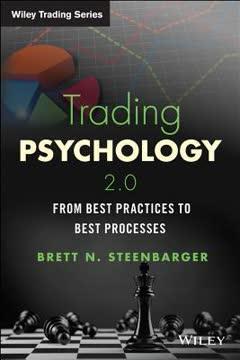
Most traders begin their journey with a simple belief: if I can find an edge, I can make money. They spend years searching for the perfect indicator, the ideal setup, the strategy that will finally unlock consistent profitability. This search is not misguided, but it is incomplete. The problem is that markets do not stand still. A strategy that works beautifully in one market regime can fail spectacularly in another. The edge you spent months developing can evaporate in weeks as other traders discover it, as algorithms adapt to it, or as the underlying market structure shifts. This is not a flaw in your strategy. It is the nature of competitive markets. Brett Steenbarger wrote Trading Psychology 2.0 to address a fundamental gap in how traders think about their craft. Traditional trading psychology focuses on emotional control: managing fear, greed, and discipline. While these matters are important, they represent only half the picture. The other half involves what Steenbarger calls the "positive psychology" of trading: the strengths, creativity, and well-being that enable traders to adapt and thrive in ever-changing markets. Steenbarger brings a unique perspective to this challenge. He is not merely an academic psychologist or a trading coach. He has spent decades working directly with professional traders, hedge fund managers, and portfolio managers at some of the world's largest financial institutions. He has seen firsthand what separates traders who sustain success over decades from those who flame out after a few good years. The answer, he discovered, is not found in better indicators or more sophisticated risk models. It is found in how traders approach their own development. The best traders treat themselves as ongoing projects. They study their own psychology with the same rigor they apply to market analysis. They build routines that support peak performance. They cultivate creativity to generate fresh ideas. They prioritize well-being not as a luxury…
Continue reading in the MinuteRead app
Get the complete 30-minute summary of Trading Psychology 2.0
Get the complete summary in the appTrading edges are perishable. Expect them to decay and plan for continuous adaptation.
Build your trading around your strengths, not your weaknesses.
Creativity follows a process: immersion, incubation, insight, and verification.
Positive emotions improve decision-making. Cultivate them deliberately.
Master your cognitive state through awareness, rituals, and recovery.
Robust processes produce consistent results and enable systematic improvement.
"Trading Psychology 2.0" is a strong fit if you want practical ideas around money & finance, psychology, economics, especially themes like trading edges are perishable. expect them to decay and plan for continuous adaptation; build your trading around your strengths, not your weaknesses. The MinuteRead summary distills these concepts into a focused read, whether you're deciding whether to buy the book or applying its lessons at work.
Brett N. Steenbarger is a highly respected author and expert in trading psychology. He has written several books on the subject, with "Trading Psychology 2.0" being one of his most acclaimed works. Steenbarger's approach combines psychological insights with practical trading strategies, drawing from his experience as a performance coach for professional traders. His writing style is noted for its depth and complexity, which some readers find challenging. Steenbarger is known for emphasizing the …
View all summaries by Brett N. SteenbargerContinue Reading
Access the complete 30-minute summary and thousands more nonfiction books in the MinuteRead app.

Continue reading the complete summary in the MinuteRead app.