MinuteRead
30 min
Book summary
by Sandi Mann
Premium summary · Opens in the app · 30 min read
There is a peculiar kind of loneliness that comes from feeling like a fraud. It is not the loneliness of isolation, but the loneliness of believing that if anyone truly knew you, truly saw the gaps in your knowledge, the shortcuts you have taken, the moments of confusion you have masked with a confident nod, they would be disappointed. They would realize their mistake. They would see that you do not belong.
**Author:** Sandi Mann
**Estimated Reading Time:** 45 minutes
**What You'll Learn:**
- Why high achievers often feel like frauds despite overwhelming evidence of competence - The five distinct imposter types and how to identify your own pattern - How childhood experiences, societal pressures, and social media fuel self-doubt - Why women and men experience imposter syndrome differently - Practical strategies to quiet the inner critic and internalize success
**Who This Book Is For:**
Anyone who has ever dismissed their achievements as luck, feared being exposed as inadequate, or felt that everyone else knows something they do not. If you have ever stood in a room full of colleagues and wondered when someone will tap you on the shoulder and ask you to leave, this book is for you.
There is a peculiar kind of loneliness that comes from feeling like a fraud. It is not the loneliness of isolation, but the loneliness of believing that if anyone truly knew you, truly saw the gaps in your knowledge, the shortcuts you have taken, the moments of confusion you have masked with a confident nod, they would be disappointed. They would realize their mistake. They would see that you do not belong. This feeling has a name, though it is not a clinical diagnosis in the traditional sense. Psychologists call it imposter syndrome, or imposter phenomenon, and it is far more common than most people realize. Studies suggest that approximately 70 percent of people will experience it at some point in their lives. The numbers are highest among high achievers: graduate students, medical professionals, executives, artists, academics. The people who, by any objective measure, have earned their place. The term was first coined in 1978 by psychologists Pauline Clance and Suzanne Imes, who noticed something strange among the high-achieving women they studied. Despite earned degrees, scholastic honors, high achievement on standardized tests, praise and professional recognition from colleagues and respected authorities, these women did not experience an internal sense of success. They considered themselves impostors. They believed they had fooled everyone. What Clance and Imes discovered was not a rare pathology but a widespread psychological pattern. And in the decades since, research has shown that it affects men as well as women, students as well as CEOs, parents as well as professionals. It crosses cultures, industries, and age groups. It is, in many ways, a signature affliction of the modern age. Sandi Mann, a chartered psychologist and senior lecturer specializing in clinical applied psychology, has spent years studying this phenomenon. Her work draws on both academic research and clinical experience, and her approach is notable for its breadth. She does not simply describe imposter syndrome; she traces its roots, examines its many…
Continue reading in the MinuteRead app
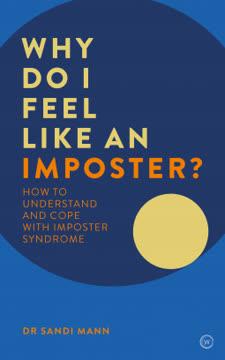
Get the complete 30-minute summary of Why Do I Feel Like an Imposter?
Get the complete summary in the appImposter syndrome is a learned pattern of thinking, not a reflection of your actual competence.
Approximately 70 percent of people experience imposter syndrome at some point, especially high achievers.
The five imposter types are Perfectionist, Superwoman/Superman, Natural Genius, Rugged Individualist, and Expert.
Your imposter feelings are rooted in core beliefs formed in childhood.
Women experience imposter syndrome more than men, but men suffer in silence due to pressure to appear confident.
Social media amplifies imposter syndrome by showing you others' highlight reels.
"Why Do I Feel Like an Imposter?" is a strong fit if you want practical ideas around self help, psychology, mental health, especially themes like imposter syndrome is a learned pattern of thinking, not a reflection of your actual competence; approximately 70 percent of people experience imposter syndrome at some point, especially high achievers. The MinuteRead summary distills these concepts into a focused read, whether you're deciding whether to buy the book or applying its lessons at work.
Dr. Sandi Mann is a chartered academic psychologist and senior psychology lecturer specializing in clinical applied psychology. She has expertise in various psychological conditions, including anxiety, depression, phobias, and obsessive-compulsive disorder. As an author, Mann has written extensively on imposter syndrome, drawing from her academic background and clinical experience. Her writing style is described as clear and accessible, making complex psychological concepts understandable to a g…
View all summaries by Sandi MannContinue Reading
Access the complete 30-minute summary and thousands more nonfiction books in the MinuteRead app.

Continue reading the complete summary in the MinuteRead app.