MinuteRead
30 min
Book summary
by examining how different people view
Premium summary · Opens in the app · 5 min read
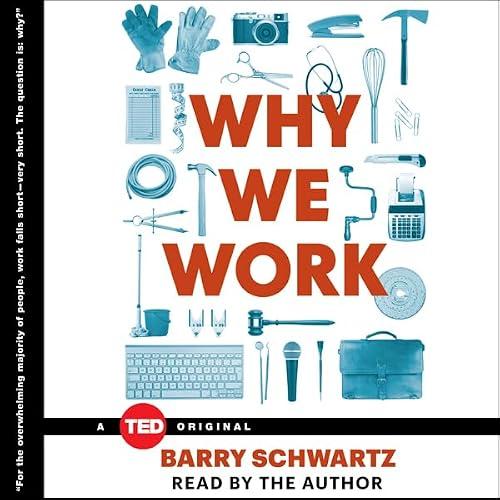
Why We Work looks at the purpose of work in our lives by examining how different people view their work, what traits make work feel meaningful, and which questions companies should ask to maximize the motivation of their employees.
Why We Work looks at the purpose of work in our lives by examining how different people view their work, what traits make work feel meaningful, and which questions companies should ask to maximize the motivation of their employees.
You’ve surely thought differently of your work at different times. In general though, most of us land in one of three categories at any particular point in time:
Your work is a job. As the joke says, your job keeps you just over broke. It’s a way to make money. You show up, do what you’re told, but anything else is a stretch. Your work is a career. You have prospects, you want to grow, make progress, get better, take on more responsibility, and you have a shot at moving up in your organization, which motivates you to give your best. Your work is a calling. You know exactly how your work creates positive change in the lives of other people. It’s not a compartment of your life, it’s an essential part of it and makes you happy, because you know you’re doing the right thing.
Of course how you see your work depends a lot on who you work for, and how that company communicates with you. A crucial part of perceiving your work as a calling, though, is connecting with the end users of your product. This way you’re repeatedly reminded of how exactly your work makes a difference, which helps you move towards perspective number 3 from the list.
Similar to the results Daniel Pink found when investigating motivation in “Drive“, Schwartz made out three factors, which keep a business running well (by keeping people motivated): Autonomy. Giving people control and the power to make decisions makes them feel trusted, helps them commit to moving the company forward, and instills a sense of respect for co-workers and managers in them. Autonomy lets you be proud of what you do, and there’s hardly anything more motivating than that. Investment. Daniel Pink calls this mastery. People should feel like every hour of their work is valuable and that their role is needed. Helping employees develop their skills by sending them to conferences and training them with seminars will achieve just that. Mission. The company’s mission must be clear to every single employee, at all times. A single sentence should do. The more you’re aware of how you’re changing the world, the more likely you are to actually give a damn about it. Sadly, these three factors are what most companies cut back on first in a crisis – which is exactly the wrong thing to do. If you control people more, train them less and forget about why you’re here,…
Continue reading in the MinuteRead app
Get the complete 5-minute summary of Why We Work
Get the complete summary in the appAsk yourself if you perceive your work as a job, career, or a calling.
Autonomy, investment and a mission are what keeps employees engaged and motivated.
Raises are crappy incentives to actually motivate people.
"Why We Work" is a strong fit if you want practical ideas around business, career, entrepreneurship, especially themes like ask yourself if you perceive your work as a job, career, or a calling; autonomy, investment and a mission are what keeps employees engaged and motivated. The MinuteRead summary distills these concepts into a focused read, whether you're deciding whether to buy the book or applying its lessons at work.
Motivated to help readers with why We Work looks at the purpose of work in our lives by examining how different people view their work, Part of: TED wrote “Why We Work” to package those ideas for a fast, focused read. In “Why We Work”, Part of: TED focuses on why We Work looks at the purpose of work in our lives by examining how different people view their work. Through “Why We Work”, Part of: TED distills the core ideas on business into lessons readers can absorb in a single short sitting. Read…
View all summaries by examining how different people viewContinue Reading
Access the complete 5-minute summary and thousands more nonfiction books in the MinuteRead app.

Continue reading the complete summary in the MinuteRead app.