MinuteRead
30 min
Book summary
Premium summary · Opens in the app · 30 min read
There is a peculiar emptiness that follows achievement. You work for years toward a goal. You sacrifice. You push through exhaustion and doubt. Then the moment arrives. You get the promotion, the medal, the acceptance letter, the recognition. And for a few hours or days, you feel something like satisfaction. But soon enough, the feeling fades. The achievement that was supposed to change everything changes very little. You find yourself asking: What now? What was it all for?
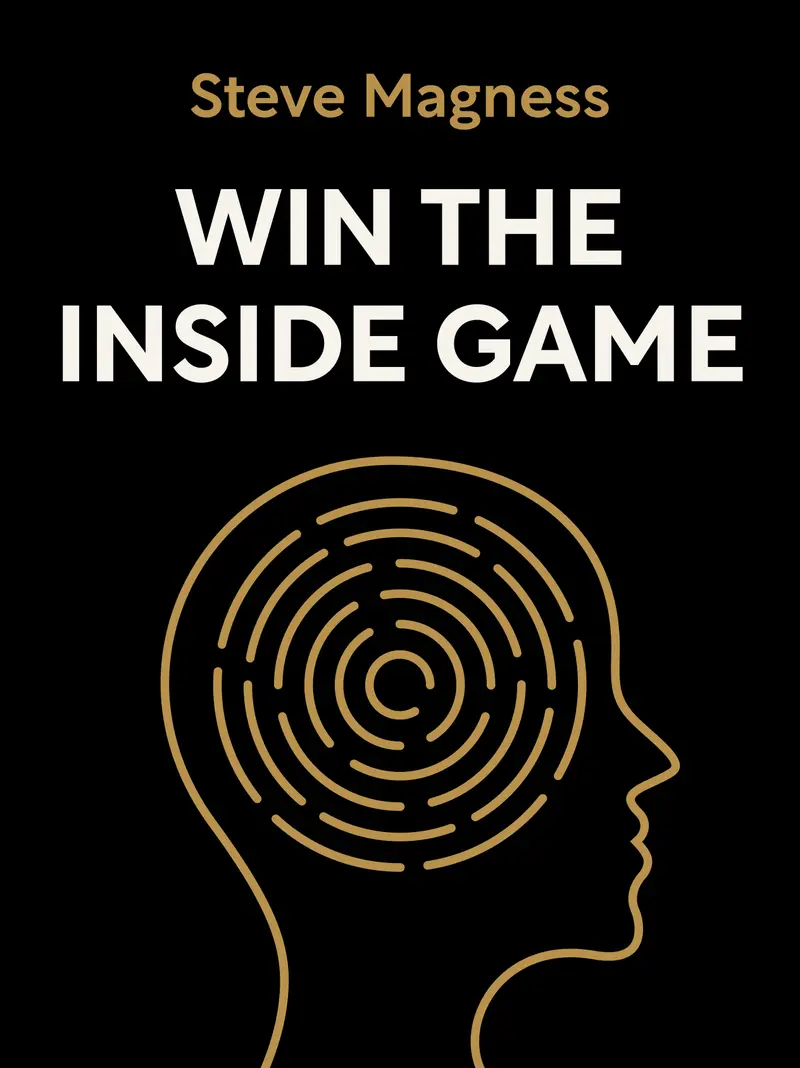
**Author:** Steve Magness **Estimated Reading Time:** 42 minutes
**What You'll Learn:** Why high achievement so often leads to emptiness, anxiety, and burnout. How the pursuit of external success can trap you in survival mode. What it takes to realign your inner world so you can perform at your best without losing yourself.
**Who This Book Is For:** Anyone who has achieved success and felt strangely hollow afterward. High performers who sense that their drive is becoming destructive. Parents, coaches, and leaders who want to help others pursue excellence without sacrificing well-being. Anyone tired of feeling like they are running on a treadmill that never stops.
There is a peculiar emptiness that follows achievement. You work for years toward a goal. You sacrifice. You push through exhaustion and doubt. Then the moment arrives. You get the promotion, the medal, the acceptance letter, the recognition. And for a few hours or days, you feel something like satisfaction. But soon enough, the feeling fades. The achievement that was supposed to change everything changes very little. You find yourself asking: What now? What was it all for? Steve Magness has spent his life around high performers. He has coached athletes to Olympic and world championship levels. He has consulted for professional sports teams. He has written extensively about the science of performance. But over time, he noticed something troubling. The people who seemed most successful on the outside were often struggling the most on the inside. The drive that propelled them to greatness was also eating them alive. This book is an attempt to understand why. The problem, Magness argues, is not that we care too much or work too hard. The problem is that we have been taught to pursue success in a way that undermines our basic psychological needs. We have been told that achievement will bring fulfillment, that external validation will quiet our inner doubts, that if we just work hard enough and win enough, we will finally feel okay. But the evidence suggests otherwise. The relentless pursuit of external success often leaves us feeling more anxious, more disconnected, and more unsure of who we are. Magness calls this state "survival mode." It is a condition in which our brain perceives threats everywhere, not just physical threats but threats to our identity, our status, and our sense of belonging. In survival mode, we become defensive, avoidant, and narrowly focused. We lose the ability to explore, to play, to connect. We stop growing. We stop thriving. We merely survive. The book's title points to the solution. Winning the inside game means learning to manage your inner world so that you can pursue external goals without destroying yourself in the process. It means…
Continue reading in the MinuteRead app
Get the complete 30-minute summary of Win the Inside Game
Get the complete summary in the appChoking and burnout are symptoms of a threat and survival disorder, not signs of weakness.
The relentless pursuit of external success undermines well-being and leads to emptiness.
Your worth is not determined by your outcomes. Failure is an event, not an identity.
We have three emotional systems: threat, drive, and contentment. Balance is essential.
Exploration and play are essential for growth and intrinsic motivation. Reclaim your inner child.
Cemented identities are fragile. Cultivate a flexible, multifaceted sense of self.
"Win the Inside Game" is a strong fit if you want practical ideas around self help, psychology, sports, especially themes like choking and burnout are symptoms of a threat and survival disorder, not signs of weakness; the relentless pursuit of external success undermines well-being and leads to emptiness. The MinuteRead summary distills these concepts into a focused read, whether you're deciding whether to buy the book or applying its lessons at work.
Steve Magness is a renowned expert on performance and author of several successful books on the subject. He has consulted for professional sports teams and coached numerous athletes to Olympic and world championship levels. Magness's writing has appeared in various publications, and he co-hosts two podcasts. His expertise has been featured in major media outlets. With a background in competitive running and degrees from the University of Houston and George Mason University, Magness combines prac…
View all summaries by Steve MagnessContinue Reading
Access the complete 30-minute summary and thousands more nonfiction books in the MinuteRead app.

Continue reading the complete summary in the MinuteRead app.