MinuteRead
30 min
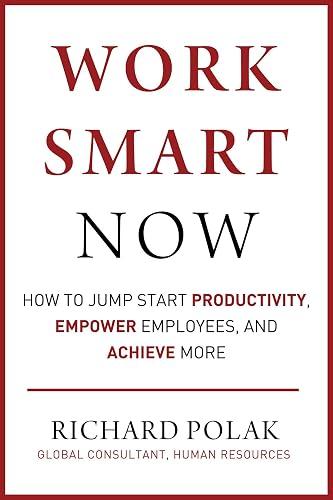
Book summary
by Richard Polak
Premium summary · Opens in the app · 30 min read
Every organization claims to value its people. Walk through any corporate headquarters and you will find mission statements celebrating employees as the company's greatest asset. Annual reports speak glowingly of talent, culture, and engagement. Yet beneath these polished declarations lies an uncomfortable truth: most workplaces still operate on assumptions about human productivity that were outdated decades ago.
**Author:** Richard Polak
**Estimated Reading Time:** 42 minutes
**What You'll Learn:**
Why treating employees as complete human beings, not productivity units, delivers superior business results. You will discover the five interconnected areas that determine organizational productivity, understand the hidden costs of disengagement, and gain practical tools for creating a workplace where people genuinely want to contribute their best effort.
**Who This Book Is For:**
Managers who sense that traditional productivity approaches are failing. HR professionals seeking a coherent framework for workplace improvement. Business owners who want to reduce turnover and increase output without burning out their teams. And individual contributors who want to understand how to shape their own work experience and advocate for meaningful change.
Every organization claims to value its people. Walk through any corporate headquarters and you will find mission statements celebrating employees as the company's greatest asset. Annual reports speak glowingly of talent, culture, and engagement. Yet beneath these polished declarations lies an uncomfortable truth: most workplaces still operate on assumptions about human productivity that were outdated decades ago. The traditional approach to getting more work from employees has relied on a simple formula. Set clear expectations. Offer financial incentives for meeting them. Apply pressure when performance falls short. Replace those who cannot keep up. This model treats workers as interchangeable components in a machine, each one replaceable when worn down or underperforming. Richard Polak has spent more than four decades advising multinational organizations on human resources and wellness programs. Across thousands of consulting engagements, he observed the same pattern repeatedly. Companies invested enormous sums in productivity initiatives, performance management systems, and employee monitoring tools. Yet productivity growth remained stubbornly flat. Turnover continued to climb. Burnout became epidemic. The harder organizations pushed, the less they seemed to get. The problem, Polak realized, was not a lack of effort. It was a fundamental misunderstanding of what drives human beings to do their best work. People are not machines. They do not respond to pressure and incentives in predictable, linear ways. They have emotional lives, physical limitations, financial worries, family responsibilities, and personal aspirations. When organizations ignore these realities, they create environments where employees show up physically but check out mentally. They produce work that meets minimum standards but lacks creativity and care. They stay just long enough to find something better, then leave with all their accumulated knowledge and relationships. Polak calls his alternative approach compassionate productivity. The term might sound soft, but the underlying insight is rigorously practical. Compassionate productivity recognizes that employees are human beings with their own struggles, triumphs, goals, and motivations. When organizations acknowledge and support this reality, they unlock levels of engagement and performance that no incentive program can match. This book…
Continue reading in the MinuteRead app
Get the complete 30-minute summary of Work Smart Now
Get the complete summary in the appTreat employees as complete human beings, not productivity units. Compassionate productivity produces better results tha
Presenteeism costs ten times more than absenteeism. Employees who are physically present but mentally absent drain produ
Well-being encompasses physical health, emotional balance, financial stability, occupational fulfillment, and social con
Engagement is different from satisfaction. Engaged employees feel compelled to do well, not just happy with their jobs.
Technology is a double-edged sword. Thoughtful selection and implementation enhance productivity; careless adoption crea
The five buckets of productivity are absence management, well-being, engagement, technology, and workday optimization. T
"Work Smart Now" is a strong fit if you want practical ideas around productivity, business, management, especially themes like treat employees as complete human beings, not productivity units. compassionate productivity produces better results tha; presenteeism costs ten times more than absenteeism. employees who are physically present but mentally absent drain produ. The MinuteRead summary distills these concepts into a focused read, whether you're deciding whether to buy the book or applying its lessons at work.
Motivated to help readers with "Compassionate productivity is the idea that recognizing employees as human beings with their own struggles, Richard Polak wrote “Work Smart Now” to package those ideas for a fast, focused read. In “Work Smart Now”, Richard Polak focuses on "Compassionate productivity is the idea that recognizing employees as human beings with their own struggles. Through “Work Smart Now”, Richard Polak distills the core ideas on productivity into lessons readers can absorb in a si…
Continue Reading
Access the complete 30-minute summary and thousands more nonfiction books in the MinuteRead app.

Continue reading the complete summary in the MinuteRead app.