MinuteRead
30 min
Book summary
Premium summary · Opens in the app · 30 min read
There is a moment in every person's life when they stand at the edge of something they want deeply. A career change. A difficult conversation. A creative project. A personal transformation. In that moment, a quiet voice speaks. Sometimes it says, "You can do this." More often, it says, "Who are you to try?"
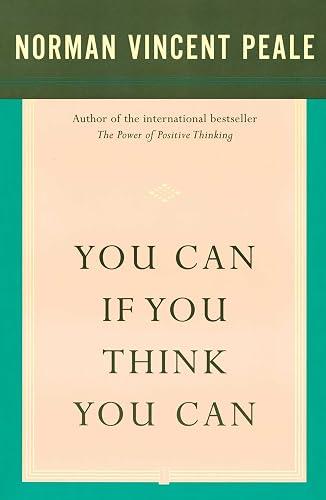
**Author:** Norman Vincent Peale
**Estimated Reading Time:** 45 minutes
**What You'll Learn:** - How to transform self-doubt into unshakable confidence - The practical mechanics of positive thinking and visualization - How to overcome fear and anxiety through action - Why persistence matters more than talent - How to cultivate the "miracle mindset" that opens new possibilities - Techniques for maintaining composure and humor under pressure
**Who This Book Is For:** Anyone who has ever felt stuck, doubted their abilities, or wondered whether they have what it takes to achieve their goals. This book is for people who want practical, time-tested methods for building confidence, overcoming obstacles, and creating a life of purpose and fulfillment.
There is a moment in every person's life when they stand at the edge of something they want deeply. A career change. A difficult conversation. A creative project. A personal transformation. In that moment, a quiet voice speaks. Sometimes it says, "You can do this." More often, it says, "Who are you to try?" Norman Vincent Peale spent his entire career studying that voice. He wanted to know why some people hear encouragement while others hear doubt. Why some people move forward while others stay frozen. Why some people find reserves of strength they never knew they had while others collapse under the weight of their own uncertainty. The answer, he discovered, is not complicated. It is not hidden in complex psychological theories or reserved for a lucky few. The answer is remarkably simple: you can if you think you can. This book, originally published in 1974, represents the culmination of Peale's decades of work as a pastor, counselor, and student of human potential. By the time he wrote it, he had already helped millions of people through his earlier books and his ministry at Marble Collegiate Church in New York City. But this book was different. It was his most direct, most practical, most concentrated statement of his core philosophy. The problem Peale addresses is as old as humanity itself. People fail not because they lack ability, but because they lack belief. They give up not because the obstacle is insurmountable, but because they have convinced themselves it is. They live small lives not because they are small people, but because they have accepted a small vision of themselves. Peale saw this pattern everywhere. He saw it in business executives who were afraid to make bold decisions. He saw it in young people who were afraid to pursue their dreams. He saw it in older people who had given up on the possibility of change. He saw it in himself, in his own moments of doubt and fear. What made Peale different was his refusal…
Continue reading in the MinuteRead app
Get the complete 30-minute summary of You Can If You Think You Can
Get the complete summary in the appYou can if you think you can. Your beliefs shape your actions, and your actions shape your results.
Keep an untroubled spirit and face reality honestly. These are the first two rules of persistence.
Self-trust is the first secret of success. Build confidence through action, not the other way around.
Expect a miracle. Positive expectations open you to possibilities you might otherwise miss.
All the resources you need are in your mind. Harness the power of your thoughts.
Courage is acting despite fear, not the absence of fear. Face your fears and they will shrink.
"You Can If You Think You Can" is a strong fit if you want practical ideas around self help, personal development, psychology, especially themes like you can if you think you can. your beliefs shape your actions, and your actions shape your results; keep an untroubled spirit and face reality honestly. these are the first two rules of persistence. The MinuteRead summary distills these concepts into a focused read, whether you're deciding whether to buy the book or applying its lessons at work.
Motivated to help readers with "The first rule is to keep an untroubled spirit, Norman Vincent Peale wrote “You Can If You Think You Can” to package those ideas for a fast, focused read. Through “You Can If You Think You Can”, Norman Vincent Peale distills the core ideas on self help into lessons readers can absorb in a single short sitting. Readers turn to this work when they want Norman Vincent Peale's perspective on the subject without working through the entire original volume. The book is s…
View all summaries by Norman Vincent PealeContinue Reading
Access the complete 30-minute summary and thousands more nonfiction books in the MinuteRead app.

Continue reading the complete summary in the MinuteRead app.