MinuteRead
30 min
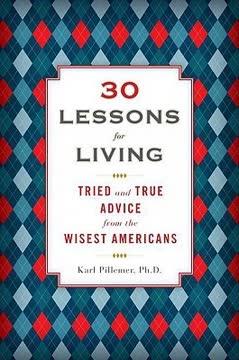
Book summary
Premium summary · Opens in the app · 30 min read
Karl Pillemer spent his career studying aging. As a gerontologist at Cornell University, he spent decades surrounded by older people, listening to their stories, documenting their experiences, and analyzing their lives. But at some point, he realized something was missing. The academic research, the data, the studies, they all captured what older people did and how they aged. What they did not capture was what older people knew.
**Author:** Karl Pillemer **Estimated Reading Time:** 45 minutes
**What You'll Learn:** Why the oldest and wisest Americans say life is shorter than you think, why happiness is a decision rather than a condition, how to avoid the most common regrets of old age, what actually matters when you look back on a full life, and how to apply these hard-won lessons starting today.
**Who This Book Is For:** Anyone who has ever wondered what truly matters in life, anyone who worries too much, anyone who feels stuck in a career or relationship, and anyone who wants to learn from the people who have already lived through it all.
Karl Pillemer spent his career studying aging. As a gerontologist at Cornell University, he spent decades surrounded by older people, listening to their stories, documenting their experiences, and analyzing their lives. But at some point, he realized something was missing. The academic research, the data, the studies, they all captured what older people did and how they aged. What they did not capture was what older people knew. He began asking a simple question: What have you learned about living that you wish you had known when you were my age? The response was overwhelming. Older Americans, many in their eighties, nineties, and beyond, wanted to talk. They wanted to share. They had spent decades accumulating wisdom, and they were eager to pass it on before it was too late. Pillemer launched the Legacy Project, a systematic effort to collect the practical wisdom of America's elders. He and his team interviewed more than one thousand people, from all walks of life, from different backgrounds, different regions, different professions. They were scientists and factory workers, teachers and business owners, artists and homemakers. What united them was age and the perspective that comes with it. The result was a remarkable body of knowledge. These were not abstract philosophical musings. These were concrete, practical lessons about how to live well, drawn from decades of real experience. The elders had made mistakes, learned from them, and were now in a position to help others avoid the same pitfalls. What emerged from these interviews was surprising in its consistency. Despite their differences, the experts, as Pillemer came to call them, agreed on a remarkable number of things. They agreed that life is shorter than you think. They agreed that happiness is a choice. They agreed that worry is a waste of time. They agreed that relationships matter more than anything else. They agreed that honesty is non-negotiable. And they agreed that most of the things younger people obsess over simply do not matter in the end. The problem, Pillemer realized, is that this wisdom is not being…
Continue reading in the MinuteRead app
Get the complete 30-minute summary of 30 Lessons for Living
Get the complete summary in the appTime is precious: Embrace each moment and avoid regrets
Choose happiness: It's a decision, not a circumstance
Worry less: Focus on preparation and acceptance
Savor small joys: Find delight in everyday experiences
Maintain strong relationships: Invest time in loved ones
Stay connected: Cultivate social ties as you age
"30 Lessons for Living" is a strong fit if you want practical ideas around self help, psychology, philosophy, especially themes like time is precious: embrace each moment and avoid regrets; choose happiness: it's a decision, not a circumstance. The MinuteRead summary distills these concepts into a focused read, whether you're deciding whether to buy the book or applying its lessons at work.
Karl Pillemer, Ph.D. , is a renowned gerontologist and family sociologist who serves as a professor of human development at Cornell University. His academic focus on aging and family relationships led him to create the Marriage Advice Project, where he surveyed older Americans about their insights on love and marriage. Pillemer has authored several books that draw upon the wisdom of elderly individuals, including "30 Lessons for Living" and "30 Lessons for Loving." His work aims to bridge genera…
View all summaries by Karl PillemerContinue Reading
Access the complete 30-minute summary and thousands more nonfiction books in the MinuteRead app.

Continue reading the complete summary in the MinuteRead app.