MinuteRead
30 min
Book summary
by Esther Derby
Premium summary · Opens in the app · 30 min read
Every team wants to improve. Every team says they value learning. Yet most teams spend their entire working lives repeating the same mistakes, struggling with the same communication breakdowns, and wondering why things never seem to get better.
By Esther Derby
**Estimated Reading Time:** 45 minutes
**What You'll Learn:**
- Why retrospectives are the single most powerful practice for team improvement - A proven five-phase structure for leading effective retrospectives - How to gather meaningful data and turn it into actionable insights - Techniques for facilitation that bring out the best in every team member - How to scale retrospectives beyond a single team to entire organizations
**Who This Book Is For:**
This book is for anyone who works with teams: Scrum Masters, agile coaches, team leads, project managers, and individual contributors who want to help their teams learn and improve. Whether you are new to retrospectives or have been running them for years, you will find practical guidance, fresh perspectives, and concrete techniques you can apply immediately.
Every team wants to improve. Every team says they value learning. Yet most teams spend their entire working lives repeating the same mistakes, struggling with the same communication breakdowns, and wondering why things never seem to get better. The problem is not a lack of desire. The problem is a lack of structure. Teams rarely pause to examine how they work together. When they do pause, the conversation often drifts into complaints without resolution, or focuses on surface-level issues while the real problems remain buried. People leave the room frustrated, nothing changes, and the next meeting becomes harder to take seriously. This is where retrospectives come in. A retrospective is a structured opportunity for a team to reflect on their recent work, examine their processes and interactions, and decide what to do differently. It sounds simple. In practice, it is one of the most misunderstood and poorly executed practices in modern organizations. Esther Derby has spent decades helping teams transform how they work. Through her consulting, coaching, and facilitation, she has observed a consistent pattern: teams that hold effective retrospectives improve steadily over time. Teams that skip retrospectives, or run them poorly, stagnate. The difference is not talent or luck. The difference is whether the team has a reliable mechanism for learning. The challenge is that most people have never experienced a well-run retrospective. They have sat through aimless discussions that meandered without purpose. They have participated in sessions that generated lists of problems but no solutions. They have watched facilitators dominate the conversation or let the loudest voices take over. Based on these experiences, they conclude that retrospectives do not work. Derby's insight is that retrospectives fail not because the concept is flawed, but because they require skill and structure. A retrospective is not just a meeting. It is a designed experience. When you understand the underlying principles and apply a clear framework, retrospectives become the engine that drives…
Continue reading in the MinuteRead app
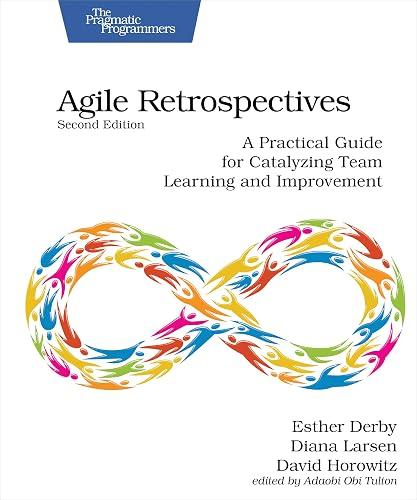
Get the complete 30-minute summary of Agile Retrospectives
Get the complete summary in the appRetrospectives are structured opportunities for teams to learn from their own experience and improve how they work toget
The five-phase structure is the backbone of effective retrospectives: Set the Stage, Gather Data, Generate Insights, Dec
Gather data from everyone, including both hard data (facts, events, metrics) and soft data (feelings, perceptions, frust
Dig into root causes using techniques like Five Whys and fishbone diagrams. Do not settle for surface-level explanations
Choose one to three high-impact actions per retrospective. Make them SMART: Specific, Measurable, Achievable, Relevant,
Assign clear owners and deadlines for every action item. Follow through is what makes retrospectives credible.
"Agile Retrospectives" is a strong fit if you want practical ideas around management, business, leadership, especially themes like retrospectives are structured opportunities for teams to learn from their own experience and improve how they work toget; the five-phase structure is the backbone of effective retrospectives: set the stage, gather data, generate insights, dec. The MinuteRead summary distills these concepts into a focused read, whether you're deciding whether to buy the book or applying its lessons at work.
Motivated to help readers with retrospectives enable whole-team learning, Esther Derby wrote “Agile Retrospectives” to package those ideas for a fast, focused read. In “Agile Retrospectives”, Esther Derby focuses on retrospectives enable whole-team learning. Through “Agile Retrospectives”, Esther Derby distills the core ideas on management into lessons readers can absorb in a single short sitting. Readers turn to this work when they want Esther Derby's perspective on the subject without working …
Continue Reading
Access the complete 30-minute summary and thousands more nonfiction books in the MinuteRead app.

Continue reading the complete summary in the MinuteRead app.